

China Mobile Food Trailers Are Transforming Street Food Culture
2026-11-25
Street food in China has always been about movement, but the latest wave of mobile kitchens is doing more than chasing crowds—it’s changing how people eat, gather, and discover flavor. Leading this shift is Oriental Shimao, whose food trailers combine bold design with real cooking capability. Here’s why these mobile food trailers are becoming the new heartbeat of urban street culture.
Curbside Kitchens Are Rewriting the Late-Night Menu
The corner taco truck that once sold out by eleven now keeps its griddle hot until three in the morning, flipping quesadillas for ride-share drivers and nurses coming off shift. Around the block, a converted school bus slings smash burgers with charred onions and a sauce recipe nobody will fully disclose. These curbside kitchens are not just extending their hours, they are reshaping what late-night eating means in neighborhoods where sit-down restaurants locked their doors hours ago.
Instead of the usual limp fries and reheated slices, people are finding freshly pressed tortillas, noodle bowls assembled to order, and breakfast sandwiches that taste better at 1 a.m. than they do at noon. The appeal is not purely convenience. A parked trailer with a handwritten special board creates a kind of intimacy that fluorescent-lit fast food chains cannot fake. Regulars learn the cook's name, the cook remembers their order, and the whole transaction feels less like an afterthought and more like a small ritual.
There is also a quiet economic logic at work. A cart or truck can move into an office district after dark without paying the rent of a brick-and-mortar spot, and a limited menu keeps food costs predictable while still allowing for one or two oddball specials. The result is a late-night geography that shifts block by block, dependent on permits, weather, and word of mouth. For anyone still awake when most of the city has gone quiet, that shifting map is half the fun of going out.
Young Vendors Are Trading Leases for Licenses
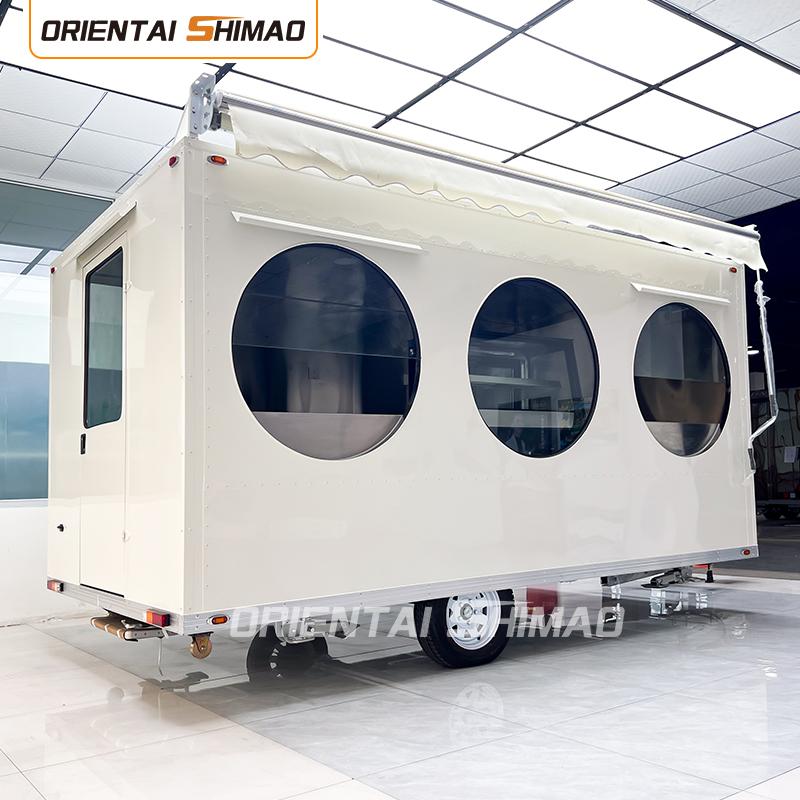
Across crowded night markets and pop-up retail spaces, a quiet shift is unfolding among sellers who grew up watching their parents sign multi-year leases and renovate fixed storefronts. Many of them are now opting for a different kind of commitment: a license agreement that grants the right to operate in a shared or rotating space, often for a few months at a time. The appeal is not just lower upfront cost, but also a sense of agility. If one location underperforms, they pack up the display racks and move without the lingering weight of a broken lease.
These younger vendors tend to view a physical store less as a permanent home and more as a temporary stage. A license gives them the freedom to test a neighborhood, tweak product lines, and build an audience before deciding whether to invest in something more permanent. It also changes the way they negotiate with landlords and market operators, who are increasingly open to shorter, more flexible terms because foot traffic patterns have become harder to predict. Instead of asking for a rent reduction, a vendor might now ask for better placement, shared storage, or the option to renew on a monthly basis.
What makes this trend stand out is that it mirrors a broader generational attitude toward assets and ownership. The same twenty-something sellers who prefer subscription software over buying licenses outright are now applying a similar logic to retail space. They would rather hold a limited, revocable right to sell in a high-visibility spot than own the burden of a long-term lease. For some, that trade-off represents a loss of stability; for others, it is simply the only way to stay nimble in a market that rewards quick pivots over slow accumulation.
Parking Lots Turn Into Open-Air Dining Rooms
The yellow lines are still faintly visible under the tables, but nobody is parking there anymore. Restaurant owners have rolled out wooden decking, potted ferns, and strings of cafe lights across the asphalt, turning curb-side spaces into improvised dining rooms. Diners sit where engines used to idle, passing bread baskets a few feet from the bike lane.
What began as a quick fix has settled into a more permanent habit. Kitchens now plan menus around outdoor service, waitstaff navigate between planter boxes, and regulars know which corner gets the last sun. In some neighborhoods, the old parking meters have been removed altogether, replaced by low fences and narrow cocktail tables that leave just enough room for a server to slide through.
The setup is not without friction. Rain pools in uneven patches, delivery trucks still need to squeeze past, and evenings can turn loud enough to annoy upstairs neighbors. But the trade-off has reshaped the block, giving restaurants a wider presence and giving people a reason to linger after the check arrives.
Regional Recipes Find a Second Life on Wheels
Inside a narrow food trailer parked near an old rail depot, a third-generation cook ladles smoked pork neck over grits. The recipe came from a pocket notebook her grandfather kept when he ran a lunch counter two towns over. On wheels, that dish no longer waits for people to find the town; it shows up at night markets, farm auctions, and brewery lots, carrying the weight of a place in a paper boat.
What changes is not the cooking so much as the setting. Recipes built around local peppers, river fish, or molasses often struggled to survive in brick-and-mortar dining rooms because rent outpaced a small customer base. A truck or cart lowers that threshold. Cooks can follow a harvest or a crowd, keeping the menu small enough to do one thing well. The result is a regional plate that feels less like nostalgia and more like something still in motion.
That mobility also reshapes who gets to cook. Younger people who left for kitchens in bigger cities are coming back with just enough savings for a trailer and a generator. They pair a grandmother's dumpling recipe with sharp salads or fermented hot sauce, not to gentrify it but to keep it alive. The street corner becomes a place where old flavors are argued over, adjusted, and handed on, one paper tray at a time.
A Single Trailer Can Anchor a Whole Block
A taco trailer parked at the edge of a gravel lot does more than serve lunch. It gives people a reason to slow down, stand in line, and notice the barbershop next door or the plant store across the street. That small steel box becomes a meeting point, and once a corner has foot traffic, the rest of the block starts to feel less like a pass-through and more like a place.
The effect rarely comes from the trailer alone. It comes from the pattern it creates: someone grabs a coffee, waits on the curb, wanders into a shop they would have ignored, and returns the next weekend with a friend. Over time, landlords fix up empty windows, a bench appears, and a second cart sets up nearby. What looked like a temporary setup quietly becomes the reason the block holds together.
This kind of anchor works because it is small enough to feel approachable but consistent enough to build trust. People know the trailer will be there, the food will be good, and the sidewalk will have a bit of energy. That reliability does more for a neighborhood than a large redevelopment ever could, because it grows from daily habits instead of a single grand opening.
The Quiet Logistics Behind a Moving Feast
The first truck pulls into a loading bay while the city is still dark. Staff move quietly between stacked coolers and folded tables, checking temperatures and ticking items off a handwritten list. Nothing is random here: sauces are packed near the bottom, delicate herbs go on top, and each container is loaded in the reverse order it will be needed. The calm is almost strange, but it is the only way to keep a traveling kitchen from unraveling before the first guest arrives.
At the venue, a smaller crew walks the site before any cooking begins. They locate the power source, test the water hookup, and measure the route from the truck to the service area. The setup is timed to the minute, with every pan and cloth assigned to a specific station. If a single crate is placed on the wrong side of the tent, the whole rhythm shifts. This is not the glamorous side of a moving feast, but it is the part that prevents chaos when orders start coming in.
Once the event starts, the behind-the-scenes motion never really stops. Dirty pans rotate out for washing, empty boxes are broken down and stacked, and waste is separated in a narrow alley behind the kitchen. After the last plate is served, the breakdown follows the same careful order as the arrival. Tables disappear, cables are coiled, and the site is left as if nothing ever happened there. The feast moves on, carried by a quiet factory that most guests will never see.
FAQ
Rents for fixed shopfronts keep climbing, while a trailer can be parked near office towers at lunchtime and moved to a night market after dark. The lower startup cost lets cooks experiment with regional recipes without signing a five-year lease.
They blur the line between a quick snack and a full meal. Many trailers now have open counters, stools and warming lamps, so customers linger, take photos and treat a curb-side visit as an evening outing instead of just grabbing a skewer.
Dishes that can be prepped in small batches and finished fast do well: hand-pulled noodles, folded flatbreads, spicy skewers, rice noodle rolls and chilled desserts. The key is keeping the menu tight enough to serve from a compact counter.
Largely yes. Students and young office workers follow trailers through social feeds, chase limited-time sauces, and value the casual, open-air setting. Older residents also show up in the mornings when some trailers sell breakfast congee and soy milk near parks.
They read foot traffic the way a shopkeeper might study a lease map. Morning spots near metro exits, midday clusters beside business parks, evening routes through riverside promenades or university gates. Some owners adjust by season and weather.
In several cities, designated zones and timed permits have replaced outright bans. That gives vendors a legal place to operate while keeping sidewalks clear. The rules can still be unpredictable, so owners often join chat groups to track enforcement updates.
It is more complicated than a simple rivalry. Some restaurants run their own trailer as a second outlet, while others sell sauces or frozen bases to trailer cooks. The trailers pull customers outdoors, but they also create demand for nearby drinks, snacks and late-night transport.
Conclusion
After dark, the curb has turned into a different kind of kitchen. Slim trailers with fold-down counters serve spiced noodles, grilled skewers, and late-night congee to people who once had few choices after the last subway ran. Many of these vendors are young, and they are not signing multi-year leases. They hold licenses and move where the crowds actually gather, which is why so many office parking lots now smell like chili oil by nine p.m. The asphalt becomes an open-air dining room with crate tables and plastic stools, and the meal feels closer to the street than anything a food hall could stage.
The menus have also shifted. Dishes that used to be stuck in one region, or in someone’s home kitchen, now travel across districts on a trailer: sour-hot noodles, braised pork in crisp flatbread, cold rice skins with sesame paste. One dependable trailer can anchor an entire block, giving residents a reason to stay outside and pulling late foot traffic past corner shops. What rarely gets noticed is the logistics that keep the whole thing moving: small-scale suppliers delivering before sunrise, water brought in for washing, waste carried out at closing, and coolers packed tight enough to hold a full night's service. That quiet backstage work is as much a part of the change as the food itself.
Contact Us
Contact Person: Jack Wang
Email: [email protected]
Tel/WhatsApp: 8618306483516
Website: https://www.orientalshimaofoodtruck.com