

China Shock Absorber Fasteners What Importers Need to Evaluate Before Sourcing
2026-11-27
Most shock absorber failures never start where importers expect them to. The tubes, rods, and seals get the attention, while the low-profile fasteners quietly decide whether the assembly holds under vibration, thermal cycling, and rough roads. That is exactly why sourcing shock absorber fasteners from China demands a different evaluation lens—one that goes beyond thread size and coating color. At XIAYI, we have learned that fastener choices shape warranty costs, installation speed, and long-term reputation. This guide breaks down what importers should check before committing to a supplier.
Material Specs That Separate Reliable Fasteners From Early Field Failures
Fasteners fail early when the material data sheet looks complete but the actual part drifts from the tested batch. A spec that stops at alloy chemistry misses the variables that cause most field problems: quench speed, tempering temperature, case depth, and grain structure. If a supplier cannot show measured tensile, yield, and elongation from the same heat lot as the parts in the box, the material is not really specified—it is assumed.
Coatings create another split between parts that hold and parts that snap. Zinc plating and hot-dip galvanizing introduce hydrogen unless the process includes a proper bake-out, and high-strength parts are unforgiving here. The better material specs also define friction coefficient, because torque-tension scatter can leave a joint under-clamped or over-stressed even when the bolt itself meets every mechanical value on paper.
Dimensional details like thread class, underhead radius, and fillet condition matter as much as hardness. A sharp root radius or inconsistent thread form concentrates stress exactly where cyclic loads hit. Reliable specifications therefore name the full geometry, the acceptable hardness range across a single lot, and the test method for each requirement—not just a minimum strength number that looks good on a quote.
Why Coating Claims Collapse in Humid and Coastal Environments
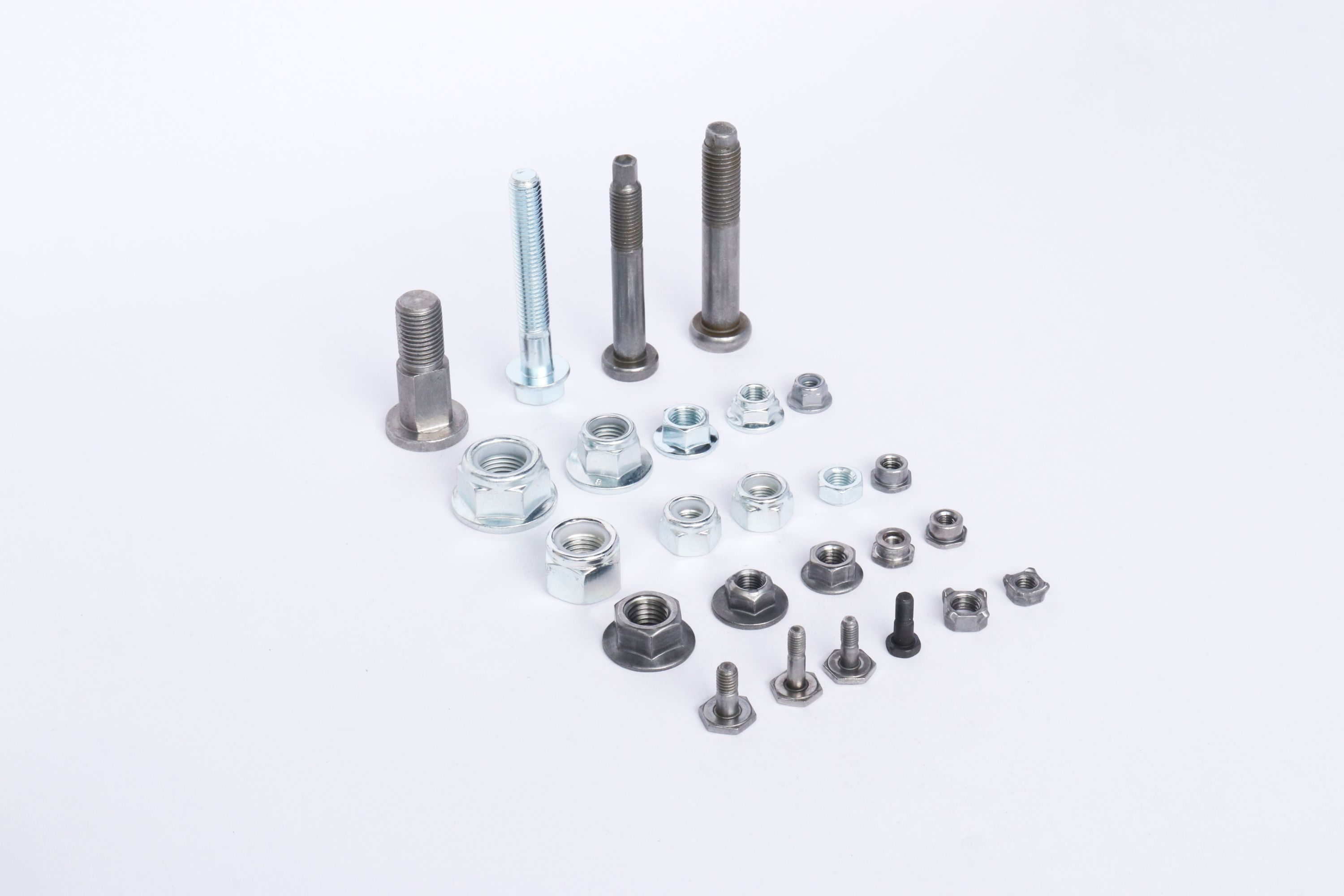
Coating failures in humid and coastal zones rarely trace back to a single glaring defect. They stem from a slow accumulation of micro-failures that standard adhesion tests miss. Salt-laden air, persistent condensation, and wide temperature swings work together to undermine the bond between coating and substrate long before visible blistering appears.
The real culprit is often osmotic pressure. When a semi-permeable film traps soluble salts beneath it, moisture from the air is drawn inward. This creates tiny water-filled blisters that expand and contract with daily humidity cycles. Even a coating that passes laboratory salt-spray testing can fail within eighteen months on a coastal facade because real-world wet-dry cycling is far more aggressive than continuous immersion.
Developers and applicators who rely solely on accelerated lab data overlook the role of dew point and airborne chloride deposition. A coating may bond perfectly to dry steel yet lose adhesion once the substrate absorbs moisture from fog or sea spray. The solution is not simply a thicker film or a better topcoat, but a systems approach: verify soluble salt levels before application, specify a primer formulated for damp surfaces, and schedule recoating during seasonal windows when ambient humidity stays below the coating’s tolerance threshold.
Tolerance Drift That Only Shows Up After Assembly Speeds Increase
A lot of tolerance issues stay hidden at lower line speeds because parts have time to settle, fixtures cool between cycles, and operators can nudge things into place. The moment cycle times shrink, that slack disappears. Thermal growth in tooling no longer gets a chance to dissipate, so locating features wander by a few microns. Those small shifts stack up until a bore or slot that used to pass quietly now locks the process.
What makes this drift difficult to catch is that it rarely shows up in a slow-motion capability study or a first-off layout. The measurement looks stable right up until the line reaches a certain cadence. At that point, clamping may happen before a part fully seats, or a robot may release earlier than the previous setup allowed. The result isn't a wild deviation but a gradual shift in the middle of the tolerance band, enough to turn a comfortable Cpk into a marginal one.
Fixing it usually takes more than tightening tolerances on paper. You have to watch the process at speed, with thermal cameras or in-cycle probing, to see which feature drifts first. Sometimes the answer is adding dwell time at one station, sometimes it's a small change in clamp sequence, and sometimes the root cause is a bushing that only expands under sustained cycling. The important part is not assuming the part itself is unstable when the real issue is how the assembly rhythm changes the fixture.
Factory Test Reports Worth Requesting Before You Shortlist a Supplier
Most suppliers will happily share a polished certificate, but the reports that actually matter show how the line behaves when nobody is watching. Ask for the raw first-article inspection data from the current shift, not a retyped summary. Batch-level process control records for soldering, torque, or pressure settings can expose whether the factory controls its variables or just fixes defects after they happen.
Material traceability is another area where paperwork often replaces proof. A genuine mill certificate or resin lot trace file should link a finished unit back to the exact incoming material batch, including any rework or substitution notes. If the supplier hesitates to share the overrun, rejection, and deviation logs, that hesitation itself is worth considering before you shortlist.
Also ask for a recent reliability or life-cycle test from a randomly pulled production unit, not an engineering sample. The report should include environmental stress, duty-cycle, or endurance results with clear pass/fail thresholds. This is often more useful than a generic quality certificate because it shows the product can hold up after the first few weeks in the field.
How Bulk Weight Variations Quietly Rewrite Your Landed Cost
A shipment’s nominal weight rarely survives contact with the warehouse floor. Even small deviations per carton multiply quickly across a full container, and freight carriers tend to notice before you do. Chargeable weight, dimensional weight thresholds, and road limits all have sharp cutoffs: a few extra grams per box can push a consolidated load into a higher tariff band, require a different trailer, or trigger weekend delivery surcharges that were never part of the initial quote.
Customs and compliance add another layer. Many jurisdictions use declared gross weight to cross-check invoice values, and mismatches between packing lists, bills of lading, and commercial invoices are treated as risk flags rather than rounding errors. The result is often a hold at the port, a reassessment of duties, or storage and inspection fees that dwarf the original freight difference. In some markets, weight-based environmental levies and disposal fees also move when actual weight moves, so the landed cost is being recalculated long after the purchase order is closed.
Inside the distribution center, the impact shifts from paperwork to physics. A pallet that arrives heavier than expected may exceed rack load ratings, force a switch to manual handling, or push a delivery vehicle over axle limits. Insurance premiums, damage claims, and last-mile reweighing all respond to these variations, often in ways that are absorbed quietly into overhead. Over time, the absence of a hard rule for weight tolerance becomes a recurring cost leak that average unit pricing never captures.
Red Flags in Heat Treatment Records That Most Importers Skip
Most importers glance at a heat treatment certificate just long enough to confirm a furnace chart exists. The overlooked warning signs tend to sit in the small fields: a load number that does not match the packing list, soak times rounded to suspiciously clean figures, or a graph that shows no correction after a visible temperature dip. Real batch data is rarely that tidy, so when every record looks identical across multiple shipments, that uniformity is itself a red flag.
Another common miss involves signatures and dates. A certificate signed by someone whose role is not listed, or a quality release date that falls before the recorded furnace cycle ended, usually means the paperwork was assembled after the fact. Importers also skip the hardness values: if the reported through-hardening result is too consistent with the stated tempering curve but the core and surface readings are not separated, the record may have been generated from a specification sheet rather than the actual parts.
Thermocouple placement is another detail that rarely gets questioned. A record can show perfect temperatures while the thermocouple was attached to the furnace wall or resting near the door, far from the actual load. Without a sketch or clear position description, the temperature curve says almost nothing about the parts themselves. That kind of gap is easy to miss when the focus stays on whether the paperwork exists instead of whether it tracks the physical batch.
FAQ
Most Chinese factories run 10B21, 35K, 40Cr, or SCM435 when higher strength is needed. The material choice affects fatigue life and the risk of sudden failure under repeated suspension movement, so ask for heat numbers and compare them with the drawing requirement instead of accepting vague terms like high tensile steel.
Request sample dimensional reports that cover pitch diameter, thread form, and under-head geometry. A dependable supplier will show in-process inspection records from an optical comparator or CMM, and will not brush off tolerance questions with only a final gauge check.
Zinc-nickel, zinc flake, and controlled phosphate plus oil are typical. Zinc-nickel and zinc flake usually give better corrosion resistance with lower embrittlement risk, but only if the plating line controls thickness and provides salt spray evidence.
Hardened fasteners can crack after plating if hydrogen gets trapped in the steel. For anything above about 32 HRC, require baking after plating and ask for batch records showing bake time and temperature, not just a statement that the parts are safe.
You want material certificates, dimensional inspection results, heat treatment records, plating thickness and corrosion test data, plus a signed sample or PPAP package. Together these show whether the factory controlled the process internally or simply purchased finished parts.
Smaller workshops can be cheap but often have one or two processes outsourced, which adds variability. Larger manufacturers usually keep heading, threading, heat treatment, and plating under one roof, giving shorter and more stable repeat lead times, though they may expect larger order quantities.
If a field failure occurs, mixed batches make it nearly impossible to identify the root cause. Require lot numbers on cartons and a clear link to raw material and heat treatment records so you can isolate affected stock quickly.
Check thread fit, hardness, plating thickness, dimensions from the drawing, and perform a small torque-to-failure sample. Visual checks alone are not enough because hidden issues like brittle fracture or soft threads often come from heat treatment or plating problems.
Conclusion
Sourcing shock absorber fasteners from China rarely goes wrong because of a single catastrophic flaw; it unravels through small, overlooked inconsistencies. Material specifications are the first checkpoint. A fastener that meets tensile and hardness requirements on paper can still fail early if the mill certificate doesn't match the actual chemistry or if sulfur and phosphorus levels sit near the upper limit. Coatings deserve equal skepticism, especially for importers shipping into humid or coastal regions. Zinc plating that looks uniform in a catalog photo often thins at thread roots or loses adhesion after salt spray testing, turning a minor cost saving into a corrosion claim. Tolerance drift tends to stay hidden until automated assembly lines run faster, when slight variations in head height or thread pitch begin causing jams, cross-threading, and downtime that manual inspection never catches.
Before shortlisting a supplier, request test reports that reflect production conditions rather than polished samples—dimensional inspection data, salt spray results, and torque-tension records all matter more than a generic certificate. Pay attention to bulk weight because consistent underweight boxes often point to thinner sections, skipped processes, or substituted materials, quietly raising landed cost once rejects, rework, and freight adjustments appear. Heat treatment records are another place where problems hide. Missing tempering curves, inconsistent batch times, or hardness readings clustered only on easy-to-reach surfaces can signal fasteners that will behave differently under load. Asking for these details early separates suppliers who control their process from those who merely pass an initial sample.
Contact Us
Contact Person: Leela
Email: [email protected]
Tel/WhatsApp: 8613586885132
Website: https://www.xiayishockparts.com