

Custom Q355B Solar Steel Manufacturing in China: A Comprehensive Guide for Industry Professionals
2026-01-31
In the rapidly evolving landscape of renewable energy, China's steel industry has emerged as a pivotal force, with custom Q355B solar steel at its core. As demand for durable, high-performance materials surges, understanding the intricacies of manufacturing becomes essential for professionals navigating this competitive field. At Energet Solar, we recognize that the quality of steel can make or break solar projects, driving us to delve deeper into what sets China's production apart. This guide offers a thorough exploration of processes, innovations, and industry insights, designed to equip you with the knowledge needed to optimize your projects. Join us as we uncover the secrets behind cutting-edge steel solutions that power the future of solar energy.
Understanding Q355B Steel Properties and Solar Applications
Q355B steel, often specified in structural engineering projects, is a low-alloy high-strength steel that meets the Chinese GB/T 1591 standard. It is characterized by its excellent mechanical properties, including a minimum yield strength of 355 MPa and tensile strength ranging from 470 to 630 MPa, which provide robust support for various applications. The 'B' grade indicates good weldability and impact toughness at room temperature, making it suitable for environments with moderate climate fluctuations. This steel typically contains elements like carbon, manganese, and silicon, enhancing its strength without significant increases in weight, which is crucial for cost-effective construction.
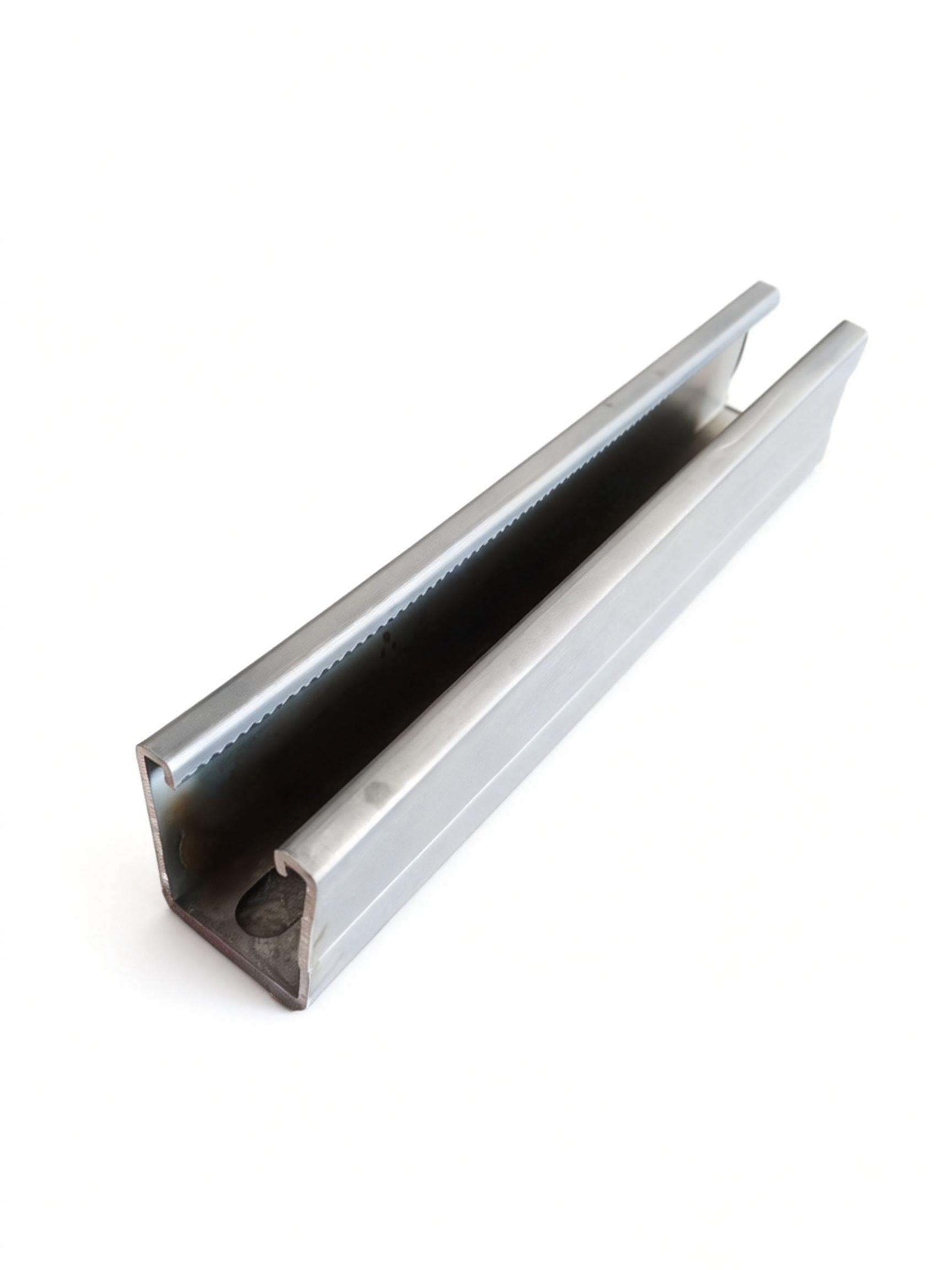
In solar energy applications, Q355B steel plays a pivotal role, particularly in mounting structures and support frames for photovoltaic (PV) panels. Its high strength-to-weight ratio ensures that solar arrays can withstand wind loads, snow accumulation, and other environmental stresses over long periods. Unlike some generic steels, Q355B's corrosion resistance—often enhanced through surface treatments like galvanizing or painting—helps prevent degradation in outdoor settings, contributing to reduced maintenance needs. This durability is essential for solar installations, which often face harsh conditions from coastal air to desert heat, ensuring reliable performance and extended lifespans for solar projects.
What sets Q355B steel apart in the solar sector is its adaptability to custom designs and sustainability considerations. Engineers can optimize structural designs using this material to minimize material usage while maximizing stability, aligning with green building practices. Compared to alternatives, its proven track record in large-scale solar farms—from Europe to Asia—highlights its versatility in both ground-mounted and rooftop systems. By leveraging Q355B's properties, solar developers can achieve efficient energy production without compromising on safety or longevity, making it a trusted choice for advancing renewable energy infrastructure globally.
Key Manufacturers and Supply Chains in China's Solar Sector
From towering industrial complexes to nimble startups, China's solar manufacturing landscape is characterized by a dynamic ecosystem where giants like Jinko Solar and Trina Solar lead in advanced cell and module production, while smaller firms innovate in niche materials and automation. This breadth allows for rapid scaling and cost efficiencies, essential in a highly competitive global market. Collaborations with research institutions drive continuous improvement in technologies such as PERC and bifacial cells, reinforcing China's role as a hub for both mass production and cutting-edge R&D.
Supply chains in this sector are intricately woven across provinces, with raw materials like polysilicon sourced from Xinjiang, processed in Jiangsu, and assembled into modules in Anhui or Zhejiang. Strategic port facilities in Shanghai and Shenzhen facilitate seamless exports, supporting vast overseas projects. Localized sourcing and government-backed logistics minimize disruptions, enabling manufacturers to meet fluctuating international demands with agility and precision, often outpacing competitors in delivery timelines.
Beyond efficiency, sustainability initiatives are increasingly shaping these operations, with manufacturers adopting green practices to reduce carbon footprints and comply with evolving regulations. By integrating circular economy principles—such as recycling silicon waste—they not only enhance environmental credentials but also create new supply chain synergies. This holistic approach positions China's solar sector not just as a volume leader but as a forward-thinking player in the global renewable energy transition.
Quality Control Standards for Solar-Grade Q355B Steel
When it comes to solar-grade Q355B steel, the quality control standards aren't just about meeting basic structural requirements—they're tailored to ensure optimal performance in photovoltaic systems. These standards delve into everything from chemical composition and mechanical properties to surface quality, with a sharp focus on enhancing durability under harsh environmental conditions like UV exposure and temperature fluctuations. Unlike generic steel specifications, solar-grade Q355B prioritizes corrosion resistance and fatigue strength, critical for long-term reliability in solar farm installations where maintenance access can be limited.
One key aspect is the rigorous testing protocol, which includes advanced non-destructive methods like ultrasonic and magnetic particle inspections to detect even minor flaws that could compromise structural integrity. Manufacturers often adhere to standards such as ASTM A572 or EN 10025, but solar-grade versions incorporate additional checks for weldability and coating adhesion, ensuring the steel can withstand the dynamic loads and thermal cycling typical in solar mounting structures. This proactive approach minimizes failure risks, supporting the industry's move towards more efficient and sustainable energy solutions.
Moreover, the emphasis on traceability and documentation sets these standards apart. Each batch of solar-grade Q355B steel is tracked from production through installation, with certifications verifying compliance to specific solar application guidelines. By focusing on material consistency and environmental adaptability, these quality measures help optimize the lifecycle cost of solar projects, reducing downtime and enhancing overall system performance in diverse climates from deserts to coastal regions.
Innovations in Custom Steel Fabrication for Solar Projects
As the solar energy sector evolves, custom steel fabrication plays a pivotal role in optimizing solar installations for durability and efficiency. Innovations in materials and design are pushing boundaries, allowing for structures that withstand extreme weather while maximizing exposure to sunlight. For instance, advanced galvanization techniques and high-strength alloys are now standard in remote solar farms, reducing maintenance needs and extending lifespan. This tailored approach ensures that each project, whether a small rooftop array or a massive utility-scale plant, benefits from steel components precisely engineered to its unique environmental and load demands.
Beyond basic durability, recent advancements focus on modular and prefabricated steel systems that streamline installation and reduce costs. These systems enable rapid deployment across diverse terrains, from arid deserts to coastal areas, with minimal on-site labor. By integrating smart design features like adjustable mounting angles and corrosion-resistant coatings, fabricators are delivering solutions that enhance energy capture and reliability. Such innovations not only cut project timelines but also make solar power more accessible and scalable, supporting global renewable energy goals without compromising on structural integrity.
Looking ahead, the synergy between digital tools and custom steel fabrication is unlocking new possibilities for solar projects. Technologies like 3D modeling and automation are allowing for more intricate and efficient designs, reducing waste and improving precision. This shift toward data-driven fabrication means that steel components can be optimized in real-time, adapting to site-specific challenges and performance metrics. As a result, the solar industry is seeing a rise in bespoke steel frameworks that are not only stronger and lighter but also more cost-effective, driving innovation in clean energy infrastructure worldwide.
Cost and Efficiency Benefits of Chinese Solar Steel Production
China's solar steel production has carved out a significant edge in global markets by leveraging economies of scale, which dramatically reduces unit costs. With massive manufacturing facilities and streamlined processes, producers can churn out high volumes at lower prices, making solar installations more accessible worldwide. This cost advantage isn't just about raw materials; it's enhanced by integrated supply chains that minimize delays and waste, ensuring steady output without the premium pricing seen elsewhere.
Beyond cost, efficiency gains in Chinese solar steel are evident through technological innovations like automated welding and precision cutting, which boost both speed and quality. These advancements allow for quicker project turnarounds and longer-lasting components, contributing to overall energy savings. As a result, systems built with this steel often achieve better performance metrics, reinforcing its role in driving down the levelized cost of solar energy over time.
What sets Chinese production apart is its ability to adapt rapidly to market demands, enabling tailored solutions without sacrificing affordability. This flexibility, combined with rigorous quality controls, ensures that cost-efficiency doesn't come at the expense of durability, making it a preferred choice for large-scale solar farms and residential projects alike.
Future Trends and Sustainability in Solar Steel Manufacturing
The solar steel manufacturing sector is poised for transformative shifts driven by innovation and environmental imperatives. One emerging trend involves the integration of advanced materials, such as high-strength, lightweight alloys, which enhance the durability and efficiency of solar mounting structures while reducing material consumption. This aligns with sustainability goals by minimizing resource extraction and waste. Additionally, smart manufacturing techniques, like AI-driven predictive maintenance and automated production lines, are gaining traction, optimizing energy use and cutting operational costs. These advancements not only boost competitiveness but also support the industry's push toward cleaner, more resilient energy systems.
Sustainability in solar steel manufacturing extends beyond production to encompass lifecycle considerations and circular economy principles. Companies are increasingly adopting eco-friendly practices, such as using recycled steel sourced from renewable energy-powered mills, which slashes carbon footprints significantly. Innovations in coatings and surface treatments are improving corrosion resistance without toxic chemicals, prolonging product lifespans and reducing environmental harm. Moreover, collaborations across the solar value chain—from raw material suppliers to end-users—are fostering transparency and accountability, ensuring that sustainability metrics like carbon neutrality and resource efficiency are prioritized throughout operations.
Looking ahead, regional policies and market dynamics will shape the future of this industry. In areas with robust renewable energy incentives, demand for sustainable solar steel is surging, prompting manufacturers to invest in green technologies and certifications. However, challenges persist, such as balancing cost-effectiveness with eco-innovation, but the sector's adaptability suggests a bright horizon. By focusing on trends like digitalization and circularity, solar steel manufacturing is evolving into a cornerstone of the global transition to renewables, offering a model for how industrial processes can harmonize economic growth with planetary stewardship.
FAQ
Custom Q355B Solar Steel is a specialized steel grade designed for solar energy structures like mounting systems and frames, offering enhanced strength and corrosion resistance to withstand outdoor conditions.
The process involves advanced alloying and heat treatment techniques to achieve high yield strength and durability, often incorporating quality control measures tailored for large-scale solar projects.
Key advantages include cost-effectiveness due to efficient production, access to cutting-edge technology, and reliable supply chains that support global renewable energy projects.
Yes, manufacturers often adapt the steel's composition and coatings to enhance performance in harsh environments, like adding anti-corrosive layers for coastal exposure or reinforcing for wind resistance.
Professionals typically rely on third-party testing, adherence to international standards like ASTM or ISO, and direct audits of manufacturing facilities to verify consistency and compliance.
Trends include the integration of sustainable practices, such as reducing carbon emissions, and innovations in automated precision manufacturing to improve efficiency and reduce waste.
It often offers a competitive price due to economies of scale and streamlined logistics, though prices may vary based on customization levels and market demand.
Buyers can access technical consultation, custom fabrication, timely delivery, and after-sales support to ensure seamless integration into solar projects.
Conclusion
This comprehensive guide explores Custom Q355B Solar Steel Manufacturing in China, highlighting its critical role in the solar industry by detailing Q355B steel's properties—such as high strength and corrosion resistance—that make it ideal for solar applications. It integrates innovations in custom steel fabrication, which allow for tailored designs that optimize efficiency and durability in solar projects. Key manufacturers and supply chains within China's solar sector are discussed, emphasizing the streamlined production processes and quality control standards that ensure solar-grade Q355B steel meets rigorous performance criteria. The guide also addresses cost and efficiency benefits, noting how Chinese production scales reduce expenses while maintaining high quality.
The analysis further examines future trends and sustainability in solar steel manufacturing, focusing on advancements in eco-friendly practices and circular economy models that enhance environmental responsibility. By blending insights from quality control protocols and supply chain efficiencies, the guide positions China as a leader in custom Q355B steel production, offering industry professionals valuable strategies for leveraging these advantages to boost project outcomes. This holistic approach not only informs on current practices but also anticipates evolving market demands, making it an essential resource for navigating the dynamic field of solar steel.
Contact Us
Contact Person: Simon
Email: [email protected]
Tel/WhatsApp: 8613672181100
Website: https://energetsolar.com/