

Eco-Friendly Polyurethane Production Line: Pioneering Sustainable Manufacturing Innovations
2026-07-14
The manufacturing world is on the cusp of a green revolution, and at the heart of this shift is the polyurethane production line—a process historically tied to heavy environmental tolls. But what if efficiency and sustainability weren't mutually exclusive? Enter the cutting-edge solution from YI ZHOU TECHNOLOGY, a name rapidly redefining how we think about eco-conscious industrial systems. In this article, we’ll explore how their pioneering line is turning challenges into innovation, and why it might just be the blueprint for a cleaner future.
Rethinking Raw Materials for Greener Polyurethanes
The quest for more sustainable polyurethanes begins not in the reactor but at the source. Conventional feedstocks, rooted firmly in fossil fuels, carry a heavy environmental toll from extraction through processing. Shifting this paradigm demands a candid look at what truly constitutes a renewable raw material—one that doesn’t just replace petroleum polyols but does so without competing with food systems or straining land use. Biobased building blocks derived from non-edible plant oils, lignin, or even captured CO₂ are gaining traction, yet their commercial viability hinges on consistent quality and scalable supply chains that today’s infrastructure rarely accommodates.
Beyond simply swapping one molecule for another, a deeper rethinking forces us to examine how these raw materials behave during synthesis and throughout the product’s life. For instance, novel polyols from waste streams often bring unexpected functionality—altered reactivity, built-in flame retardancy, or tunable degradation profiles—that can unlock performance characteristics traditional petrochemical routes never offered. This isn’t just about reducing a carbon footprint; it’s about redesigning polyurethane chemistry from the ground up to harness the inherent advantages of carefully selected renewable inputs.
The conversation around greener polyurethanes also extends to circularity—designing raw material loops that keep resources in play. Emerging approaches like chemical recycling to recover polyol backbones or designing monomers that break down under mild conditions challenge the linear take-make-waste model. These strategies require a holistic view where raw material choice is intertwined with end-of-life scenarios, pushing the industry to value not only what goes into the product but what comes out when its useful life is over.
Energy-Efficient Processes That Cut Carbon Footprints
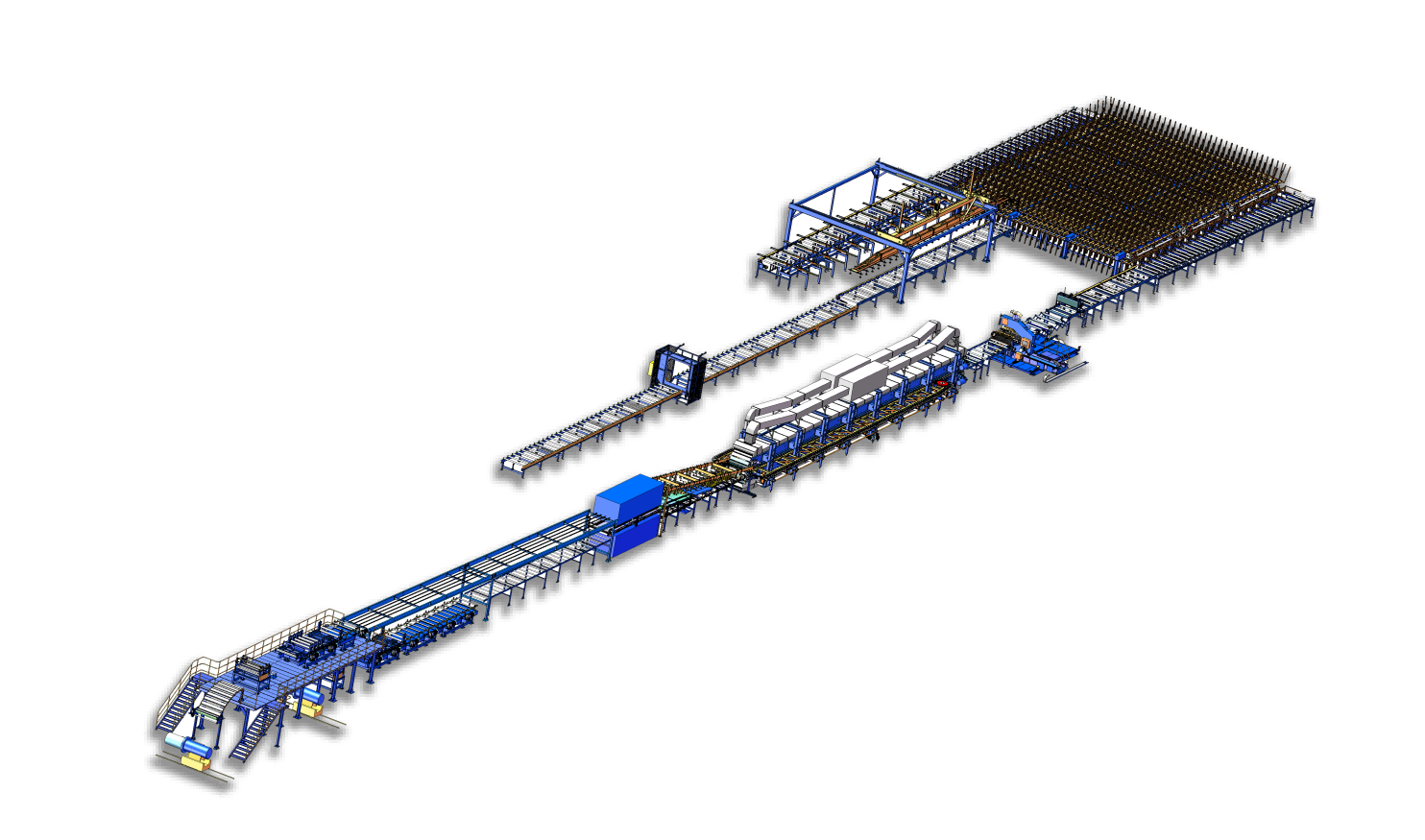
Shifting to smarter manufacturing heat recovery loops is quietly rewriting the rules for industrial emissions. Instead of venting waste heat into the atmosphere, facilities now reroute it to preheat incoming materials or feed low-temperature district networks, slashing overall fuel demand by up to a third. The real gain comes from doing this without adding extra burners or complex hardware—just a reimagined flow path that turns a cost center into a free energy source.
Smarter motor systems are another overlooked lever. The move isn’t just about swapping in higher-efficiency units; it’s about matching speed and torque to actual load requirements in real time. By pairing variable frequency drives with right-sized equipment, plants can trim motor energy consumption by half while cutting the associated carbon output proportionally. This approach sidesteps the common trap of oversized hardware running constantly at partial load, which bleeds energy and drives up indirect emissions.
Process redesign often yields the deepest cuts before a single piece of equipment is replaced. One example is reordering production steps to combine drying and curing stages that historically ran separately, using residual heat from one step to power the next. Others involve switching to low-exothermal chemical pathways that operate at ambient pressure, avoiding the energy-intensive compression and heating cycles that dominate traditional methods. These shifts don’t just lower energy bills—they fundamentally shrink the carbon profile by rethinking how things are made from the ground up.
Closing the Loop: Recycled Content and Circular Design
Moving beyond the traditional take-make-waste model requires rethinking how products are conceived from the start. Closing the loop means designing with the entire lifecycle in mind, ensuring that materials can be recovered, reused, or safely returned to the biosphere. This shift isn’t merely about adding recycled content—it’s about embedding circular principles so that waste becomes a resource rather than an endpoint.
Integrating recycled content effectively demands material innovation and supply chain transparency. Designers are increasingly specifying post-consumer resins, reclaimed metals, and upcycled textiles without compromising performance or aesthetics. For instance, high-quality consumer goods now incorporate ocean-bound plastics or regenerated fibers that rival virgin materials. The challenge lies in securing consistent feedstocks and maintaining material integrity through multiple lifecycles, pushing industry to invest in advanced sorting and reprocessing infrastructure.
Circular design also elevates the user experience, making repairability, upgradability, and eventual disassembly intuitive. Products are imagined as material banks, with components that can be separated and reintegrated into future manufacturing. This approach shifts brand value from sheer sales volume to long-term customer relationships and material stewardship. When done thoughtfully, closing the loop transforms supply chains into supply circles, reducing dependence on finite resources and building resilience against resource volatility.
Low-Emission Formulations for Cleaner Air
Shifting the chemical backbone of everyday products changes what ends up in the sky. When solvent-based coatings, adhesives, and cleaning agents trade reactive organics for waterborne or high-solids alternatives, the vapor that escapes during drying or curing carries far fewer smog-building ingredients. It’s a fundamental redesign—not just swapping one ingredient for another but rethinking how a formulation behaves from wet application to final cure so that what evaporates doesn’t go on to react with sunlight and nitrogen oxides. These quieter chemistries often go unnoticed because they work just as well as their conventional counterparts; the only real difference drifts away unseen, leaving behind nothing but a thinner ozone burden and a lighter touch on the air people breathe.
Beyond the mixing vessel, the real art lies in balancing performance with environmental humility. A low-emission formulation must still bond, seal, coat, or dissolve with the same reliability—so raw material choices tighten around multifunctional molecules that do more with less vapor pressure. Bio-based diluents, hybrid polymerization pathways, and even the careful curation of co-solvents let manufacturers hold onto speed and durability while dialing down volatile organic compound release. These aren’t stripped-down “green” versions that ask users to sacrifice quality; they’re thoroughly engineered systems where every ingredient earns its place by doing its job without quietly fouling the atmosphere. As cities push for cleaner air and industrial facilities operate under stricter permits, these formulations shift from niche option to practical necessity—and the chemistry evolves fast enough that the air downwind might barely remember the old smell of a fresh-painted room.
Smart Automation Minimizing Waste and Resource Use
Modern industrial and commercial operations are turning to smart automation as a tangible way to curb unnecessary waste and conserve resources. Beyond basic mechanization, intelligent systems integrate sensors, real-time data analytics, and adaptive controls to continuously fine-tune processes. These technologies detect inefficiencies that would otherwise go unnoticed, shutting down equipment when not in use, adjusting energy consumption based on actual demand, and rerouting materials to prevent bottlenecks. The result is a leaner operation where electricity, water, and raw materials are used only when and where they are truly needed, slashing waste without compromising output quality.
In sectors like manufacturing, logistics, and agriculture, automated monitoring and predictive maintenance are reshaping resource management. Instead of relying on fixed schedules or reactive repairs, smart systems anticipate equipment wear and intervene exactly when needed, extending machinery life and avoiding the scrap and rework caused by sudden breakdowns. Inventory management becomes precise, with automated tracking preventing overstocking and spoilage. On production lines, machine vision and robotics ensure consistent material application, drastically cutting down on excess trim, spillage, and rejected batches. Every saved unit of material or fuel directly translates into cost savings and a lighter environmental footprint.
The shift toward smart automation also fosters a more holistic approach where waste is designed out rather than managed after the fact. By analyzing patterns across entire facilities, connected systems can suggest process redesigns that eliminate redundant steps or repurpose by-products. Operators gain insights that were previously buried in disconnected spreadsheets, enabling them to make quicker, informed decisions that balance productivity with sustainability. As these solutions become more accessible, even smaller enterprises are finding that investing in intelligent automation is no longer just a high-tech luxury — it is a practical strategy for long-term resilience and responsible resource stewardship.
Innovations in Bio-Based Polyol Technologies
Across the polyurethane industry, a quiet yet profound shift is underway as manufacturers move beyond petroleum-derived feedstocks toward bio-based alternatives. Recent innovations in polyol technology are not merely about inserting plant-based materials into existing formulas; they involve rethinking entire molecular architectures. Researchers are extracting novel building blocks from resources such as lignin, soybean oil, castor oil, and even algae, then subjecting them to advanced chemical modifications like hydroxyalkylation, transesterification, and epoxidation-ring-opening sequences. These processes tailor the reactivity and hydroxyl numbers to match or exceed the performance of conventional polyols, all while reducing the carbon footprint. The result is a new class of polyols that seamlessly integrate into rigid foams, flexible foams, coatings, and adhesives, often with improved thermal stability and hydrolysis resistance.
Beyond raw material sourcing, the innovation frontier extends into smarter synthetic pathways that minimize waste and energy consumption. Enzymatic catalysts, for instance, are gaining ground as a gentle yet effective means to functionalize triglycerides and carbohydrates without the high temperatures and pressures typical of traditional methods. In parallel, solvent-free processes and one-pot reactions are cutting down on separation steps, making production leaner and more scalable. Another compelling direction is the creation of hybrid polyols, where bio-derived fragments are combined with recycled content like polyethylene terephthalate (PET) waste, yielding a dual sustainability advantage. These hybrid systems often exhibit unexpected synergies—such as enhanced mechanical properties and flame retardancy—broadening the application scope into automotive interiors, insulation panels, and furniture that meet strict fire safety standards.
Perhaps most exciting is the industry’s growing aptitude for tailoring bio-polyols at the oligomer level to achieve specific performance characteristics that were once only possible with petrochemicals. By carefully controlling the monomer distribution and stereochemistry, formulators can now dial in parameters like resilience, hydrophobicity, and compatibility with various isocyanates—including newer non-isocyanate polyurethane (NIPU) systems. These advances are closing the gap between environmental ideals and commercial reality, as bio-polyols increasingly match their fossil-based counterparts in both cost and consistency. As pilot projects scale up and supply chains mature, bio-based polyols are poised to become a cornerstone of sustainable material science, not as a niche substitute but as a genuine improvement over the status quo.
FAQ
It’s a manufacturing setup that reduces environmental impact by using bio-based or recycled raw materials, energy-efficient machinery, and closed-loop systems to minimize waste and emissions.
It pioneers innovations like water-based polyurethane dispersions, carbon capture utilization, and solvent-free processes, lowering volatile organic compound output and energy consumption.
The line incorporates renewable feedstocks such as soybean oil, castor oil, or recycled PET, replacing traditional petroleum-based polyols without compromising product performance.
No, the resulting polyurethane meets or exceeds industry standards for durability, flexibility, and resilience, proving that sustainability and high quality can coexist.
Automotive, construction, footwear, and furniture sectors gain significantly, as they can now source eco-conscious materials for components like foams, coatings, and adhesives.
Through advanced recycling loops and efficient downstream processes, nearly all scrap and off-spec material is reclaimed and reintegrated, moving the line toward zero waste.
Smart sensors and AI-driven controls optimize resource use, predict maintenance needs, and ensure consistent product quality, reducing overconsumption and downtime.
Yes, the modular design of the green technologies allows for stepwise integration into current infrastructure, making the transition cost-effective and less disruptive.
Conclusion
The eco-friendly polyurethane production line represents a transformative leap in sustainable manufacturing, reimagining every stage of the process. Starting with raw materials, bio-based polyol technologies replace petroleum derivatives with renewable feedstocks like soybean oil or lignin, drastically reducing reliance on fossil fuels. These novel polyols are synthesized through low-impact methods that minimize toxic byproducts. Energy consumption is slashed via optimized reactors and heat recovery systems, while catalytic advancements enable reactions at lower temperatures, shrinking the carbon footprint. The line is designed for circularity: production scrap is reclaimed, and end-of-life polyurethane products are chemically recycled back into high-quality materials, closing the loop and diverting waste from landfills.
Low-emission formulations eliminate volatile organic compounds and harmful isocyanates, ensuring cleaner air both inside factories and for end-users. Smart automation, powered by AI and real-time sensors, precisely controls mixing, dispensing, and curing, cutting material waste by adapting to variables instantly. This intelligence extends to predictive maintenance and resource management, reducing water and energy use further. Collectively, these innovations position the production line not just as a manufacturing asset but as a model for the industry’s transition toward truly sustainable, cradle-to-cradle polyurethanes. It pioneers a future where high-performance materials coexist with environmental stewardship.
Contact Us
Contact Person: Sophia Jiang
Email: [email protected]
Tel/WhatsApp: +86 17367381818
Website: https://yzwelding.com/