

Exporting HFV9400XLC Refrigerated Trailers: The Essential Guide for Global Buyers
2026-11-16
When a single degree of temperature variance can ruin an entire shipment, choosing the right refrigerated trailer isn't just a purchase—it's a risk management decision. The HFV9400XLC from KANGMU TRUCK has become a go-to option for importers and fleet operators who need reliability without the inflated price tag. But exporting these units involves more than just placing an order. From homologation quirks to hidden freight costs, the path to your port is paved with details most first-time buyers overlook. This guide breaks down what actually matters.
Why Seasoned Fleet Owners Pick the HFV9400XLC for Perishable Runs
When hauling temperature-sensitive cargo across long distances, reliability isn't a preference—it's the whole game. The HFV9400XLC has earned a quiet reputation among veteran operators who've learned the hard way that downtime eats margins faster than fuel costs. What sets it apart isn't a flashy spec sheet; it's the way the reefer unit holds a steady chill even when the outside thermometer swings forty degrees between dawn and dusk. Older drivers talk about the peace of mind that comes from knowing the compressor won't hiccup on a desert grade, and that's the kind of confidence you can't fake with marketing.
Beyond the cold chain itself, seasoned owners look at the trailer's bones. The HFV9400XLC uses a reinforced subframe that shrugs off rough dock approaches without twisting, which means fewer trips to the alignment shop and more loads delivered on schedule. The interior lining stands up to constant washdowns without delaminating, a detail that matters when you're running seafood one week and fresh produce the next. Fleet managers who've cycled through cheaper units eventually land here because the total cost per mile—after factoring in repairs, rejected loads, and driver turnover—just makes sense.
Then there's the practical stuff that doesn't show up in a brochure. Door seals that actually keep their shape after ten thousand cycles. Drain plugs positioned where they won't clog with ice. A wiring harness routed away from road spray. These are the things you only appreciate after years of kneeling in mud at a receiver's gate, and they're exactly why experienced operators stop shopping around once they've run a few seasons with the HFV9400XLC. It's not about being the cheapest on the lot; it's about being the last one you'll need to replace.
Matching Cargo Needs and Climate Demands to the Right Trailer Build
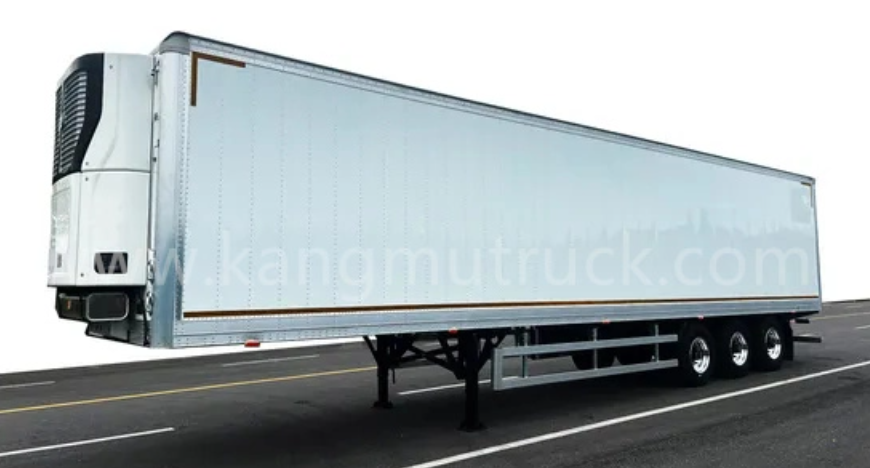
Every haul starts with a simple question: what exactly are you carrying, and what kind of weather will it face? A refrigerated trailer built for frozen seafood crossing Arizona in July is a completely different machine than a dry van moving paper products through the damp Pacific Northwest. The insulation thickness, the floor design, the door seals—each choice ripples into fuel burn, load integrity, and how many headaches you'll have at the delivery dock. Getting the build spec wrong isn't just inconvenient; it quietly eats into margins trip after trip.
Climate is the silent partner in every trailer decision. In high-humidity regions, corrosion-resistant coatings and enhanced ventilation become non-negotiable, while extreme cold demands door heaters and thicker wall panels to prevent condensation from turning cargo into a soggy mess. Operators who run the same trailer type across multiple climate zones often discover that a one-size-fits-all approach fails exactly when the temperature swings hardest. The smart builders ask about route geography before they ever discuss axle ratings.
Matching the trailer to the job also means looking beyond the obvious specs. A lightweight aluminum build might save fuel on long dry freight runs, but it could flex too much under dense, concentrated loads. Similarly, a rugged stainless interior makes sense for corrosive chemicals or salty coastal air, but it's wasted cost for cartons of cereal. The right trailer build doesn't just survive the trip—it makes the trip boring, predictable, and profitable, and that's exactly what you want behind the tractor.
Clearing Customs and Export Paperwork Without the Runaround
Customs brokers love to make the process sound like brain surgery, but most export paperwork is just matching numbers on a commercial invoice to the same numbers on a packing list. The real bottleneck is almost never the forms themselves — it’s chasing down a signature from someone who doesn’t check email after 2 p.m. Get the tariff classification right on the first pass, keep a digital folder with scanned originals of every certificate of origin you’ve ever used, and you’ll spend less time on hold with the port authority than you do waiting for your coffee to cool.
A common trap is treating the export declaration like a suggestion rather than a legal filing. One typo in the Schedule B number, and your shipment sits in a warehouse accruing storage fees while some clerk decides whether to flag it for a physical exam. Instead of rekeying data from your order system into a government portal, pull the fields directly from your ERP with a lookup table for the codes you use most. If a partner country requires a consular invoice or a pre-shipment inspection, schedule that the same week you confirm the purchase order — not the day the truck shows up at the dock.
Finally, stop overcomplicating internal sign-offs. A single shared spreadsheet with a dropdown for “customs status: pending, filed, released” beats a chain of PDF emails with vague subject lines. Give one person authority to correct minor discrepancies on the spot rather than routing everything through legal for a comma change. The goal isn’t a perfect paper trail for its own sake; it’s getting the container on the vessel before the cut-off time, with a file that doesn’t fall apart under a random audit six months later.
Running the Numbers on Fuel and Upkeep for Long Haul Routes
Fuel remains the single largest variable expense on any long haul route, yet most carriers still rely on rough averages that mask real differences from one corridor to the next. A run through the Appalachian grades will burn noticeably more diesel than the flat stretch across Nebraska, even with identical loads and speeds. Smart fleets track actual pump prices by region, factor in terrain and idling time, and compare that against the truck's reported miles per gallon under load. That level of detail turns a vague monthly fuel bill into a per-mile figure you can actually plan around.
Upkeep costs follow a similar pattern when you stop treating them as a single yearly total. Tires wear faster on routes with aggressive chip-seal pavement or frequent mountain descents that demand hard braking. Oil change intervals might stretch on steady highway miles but shrink when dust from construction zones or stop-and-go traffic enters the picture. Drivers who log their own observations—like a slight pull in the steering or unusual vibration at certain speeds—give maintenance teams an early warning that prevents a roadside breakdown three states from the nearest shop.
Putting fuel and upkeep side by side for a specific route often reveals trade-offs that spreadsheets miss at the aggregate level. The shortest path between two points may have higher tolls but lower fuel consumption from consistent speed limits. A longer detour could save on brakes and suspension but add enough miles to offset those savings. Running the numbers means testing those assumptions with real trip data: actual fill-ups, actual invoices from repair shops, and the driver's logbook notes about idle time and road conditions. Over a few months, the pattern becomes clear enough to adjust routing, set fair per-mile pay, and quote rates that don't quietly leak profit.
Port Handling Moves That Keep Your Trailer on Schedule
At the port, the difference between a trailer that rolls out on time and one that lingers for days often comes down to a handful of practiced maneuvers. Booking a dock appointment before your driver arrives isn't just a courtesy; it's a scheduling lifeline. Terminals that allow pre-advising of cargo and chassis details tend to move trailers through the gate faster, cutting down on idle time that quietly eats into your delivery window.
Smart yard management inside the terminal can also work in your favor. If you have a choice, route your trailer through a facility known for live unloading rather than drop-and-wait operations. Dropping a chassis and hoping for a quick turnaround adds uncertainty, whereas a live unload keeps your equipment in motion. Pair that with a pre-check of container seals and twist lock conditions, and you avoid the frustrating mid-yard rejection that forces a trailer back to the staging area.
Finally, don't underestimate the power of a clean handoff. When your driver communicates with the port clerk about a hot load or a tight connection, it triggers priority lane assignments more often than people realize. Keeping all documentation digital and ready, from the booking confirmation to the chassis pool code, lets the port system flag your trailer for the next available crane or straddle carrier instead of leaving it to wait in the general queue.
Questions to Ask Suppliers Before Signing an Export Contract
Before you put pen to paper on an export contract, the questions you ask a supplier can save you from costly surprises months down the line. Start with the basics that often get overlooked: What is your true production capacity right now, not in a optimistic forecast? Can you handle a sudden increase in order volume without compromising quality? Ask for a detailed breakdown of quality control procedures at each stage, including who inspects the goods and what happens when defects are found. Delivery timing is another minefield—request a realistic lead time with buffer, and clarify who bears the cost if shipments are delayed. Payment terms should be discussed openly: will they accept a letter of credit, and what are the exact conditions for release of funds? These initial questions set the tone for a transparent relationship.
Beyond the technical specs, dig into areas that can unravel a deal later. Ask about export licensing and compliance: does the supplier have experience shipping to your destination country, and can they provide references from previous export clients? Intellectual property is a silent risk—confirm who owns the design, tooling, or any custom components, and whether they have signed confidentiality agreements with their own subcontractors. Clarify the dispute resolution mechanism: which country's laws govern the contract, and is arbitration an option? Finally, request a written confirmation of all verbal promises, including packaging standards, labeling requirements, and after-sales support. A supplier that hesitates to answer these questions in writing is likely to cause headaches once the container is on the water.
FAQ
It is built with a reinforced monocoque box and 100mm polyurethane insulation, which keeps temperature stable on long hauls. The model also supports a wide range of reefer units, so buyers can pair it with the cooling capacity their cargo demands.
Ask for the CCC certificate, ISO/TS16949 for components, and any regional compliance documents like ECE brake certification or ADR for dangerous goods if needed. A reliable exporter will share the full compliance pack before shipment.
Most HFV9400XLC units are transported by RoRo vessel or breakbulk carrier. They can be driven on board, lashed and chocked, or partially disassembled to reduce freight volume if you are shipping several at once.
Yes. The trailer accepts single or multi-temperature setups, and you can choose between electric standby, diesel, or hybrid drive. Typical settings cover -20°C to +20°C, but special orders can go lower for deep frozen products.
Start with a technical requirement sheet and preferred reefer unit. The factory then issues a proforma invoice, you arrange a deposit, and production begins after design approval. Final payment is usually released before the trailer leaves the port.
For standard configurations, production takes 25 to 35 days after deposit and drawing confirmation. Ocean freight to major ports in the Middle East, Africa, or Southeast Asia adds another 15 to 30 days depending on the route.
Reputable suppliers offer a 12-month warranty on the structure and axles, plus remote troubleshooting for the cooling system. Many also stock common spare parts in regional hubs to reduce downtime.
Do not overlook local axle load limits or the availability of reefer unit service in your country. Also confirm voltage compatibility for standby mode and check that the bill of lading matches the chassis number exactly to avoid customs delays.
Conclusion
For fleet operators moving temperature-sensitive freight across borders, the HFV9400XLC has earned a quiet reputation. It's not about flash, but how insulation, cooling capacity, and door seals hold up on multi-day runs through shifting climates. Buyers who've run older reefers know the difference: fewer rejected loads at delivery, less compressor strain, predictable fuel burn. Spec the trailer to actual cargo—frozen vs fresh produce, hot coastal humidity vs dry inland cold—and don't pay for capacity you won't use. A mismatched unit either cycles too often or can't hold setpoint. The smart move is to map longest route, worst ambient, and typical load before choosing wall thickness, floor design, and reefer unit power. Long-haul numbers matter too: fuel consumption rises with weight and drag, so skip unnecessary extras. Maintenance intervals, part availability in destination country, and tire ratings affect total cost per mile more than purchase price.
Export paperwork and port handling are where deals stall. Start customs documentation early—commercial invoice, packing list, certificate of origin, and any refrigeration compliance certificates must match exactly the VIN and specs. A minor mismatch can mean demurrage fees at the terminal while your trailer sits. For port moves, confirm whether the carrier can lift a loaded reefer with chassis or needs a top-pick; schedule arrival window to avoid weekend or holiday cutoffs, and have a local agent track the container gate-in. Before signing any contract, press suppliers on warranty terms outside their home country, availability of spare parts at the destination, and who covers damage discovered after unloading. Ask for references from buyers in similar climates and insist on a detailed pre-shipment inspection report with photos of the refrigeration unit serial number and interior condition.
Contact Us
Contact Person: Shen Zhikang
Email: [email protected]
Tel/WhatsApp: 8613908668969
Website: https://www.kangmutruck.com/