

Exporting High Pressure Membrane Filter Press: Strategies for Global Market Success
2026-08-08
When expanding into global markets, the devil is in the details—especially for high pressure membrane filter presses. One overlooked spec can derail a shipment, while the right partner transforms it into a competitive edge. Sinou has been cracking that code for years, and in this post we unpack the strategies that turn export hurdles into sustained growth.
Spotting Demand Hotspots for High-Pressure Membrane Filter Presses
Industries that deal with fine particle separation and demanding filtration cycles are quietly reshaping the market for high-pressure membrane filter presses. Mining operations, especially those processing ultrafine tailings or recovering precious metals from low-grade ores, now see these presses as essential rather than optional. The same urgency appears in chemical manufacturing, where recovering high-value catalysts or achieving ultra-dry filter cakes directly cuts production costs. Even food and beverage processors are adopting them for applications like clarifying edible oils or dewatering fibrous byproducts, driven less by choice and more by tightening purity standards.
Geographically, the demand hotspots don’t always align with the loudest industrial regions. Southeast Asia’s rapid expansion in palm oil milling and electronics-grade chemical production has created a surprisingly concentrated pull for advanced filtration. Parts of South America, where lithium brine extraction is booming, are also emerging as fierce growth zones. In more mature markets, it’s the replacement cycle that tells a sharper story: older hydraulic presses are being swapped out not just for reliability, but because membrane technology cuts energy consumption by up to 30% in side-by-side comparisons—a detail that facilities managers in Europe and North America increasingly can’t afford to ignore.
Regulatory pressure works as a quiet but relentless accelerator. Stringent limits on sludge moisture content before landfill disposal, particularly in the European Union and parts of East Asia, turn membrane filter presses from a nice-to-have into a compliance tool. When a wastewater treatment plant can avoid penalties simply by upgrading its dewatering line, the investment logic flips overnight. This is why conversations with plant engineers have shifted from “Can we justify the cost?” to “How fast can we swap out our old recessed-plate units?”—and why regional equipment distributors are restocking in anticipation of orders that never used to materialize this quickly.
Engineering Your Press for Global Safety and Performance Standards
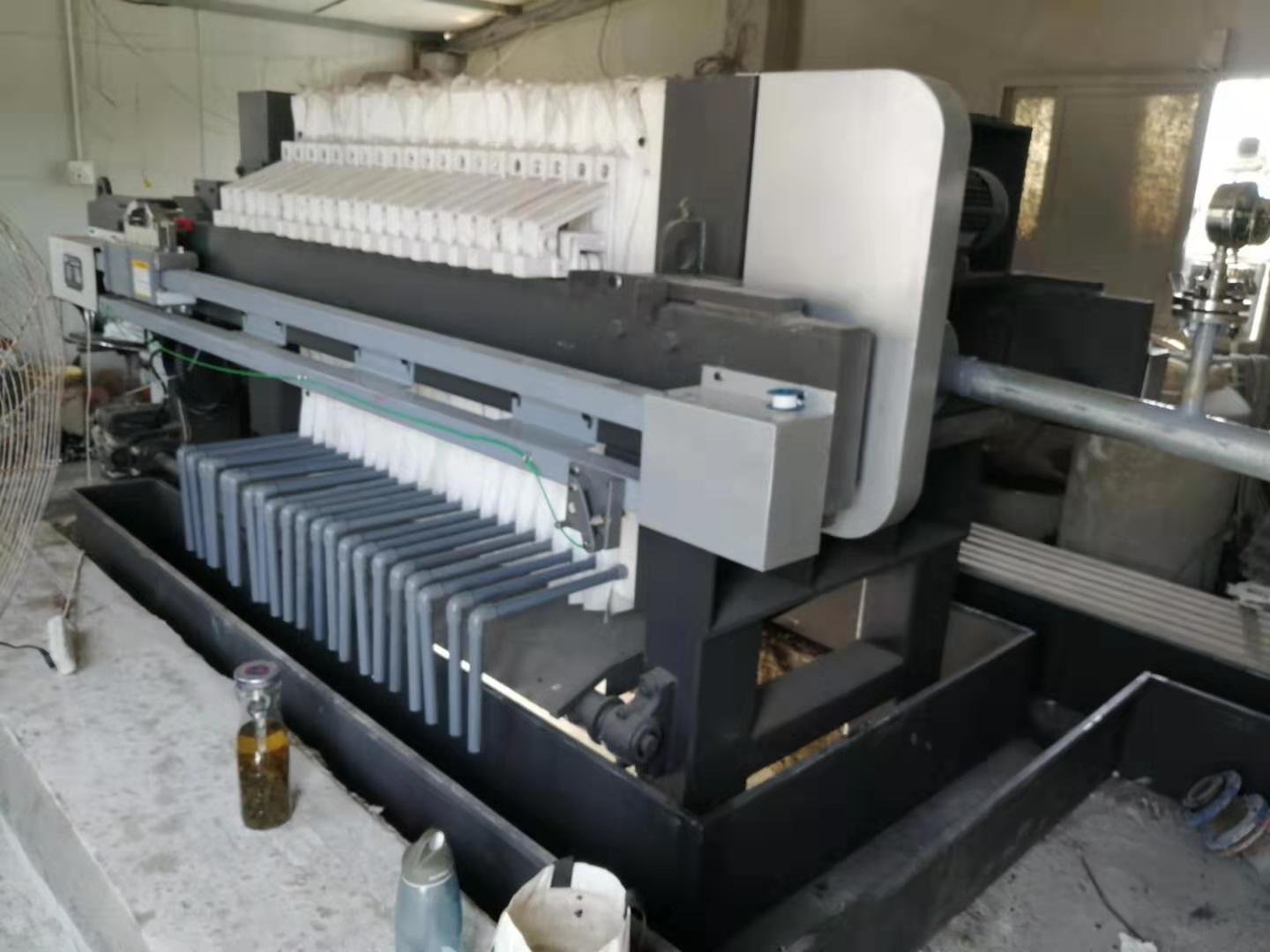
Designing industrial presses to meet international safety benchmarks demands more than retrofitted guards or generic warning labels. It requires a foundational engineering approach where risk assessment shapes every mechanical and control system from the outset. Our engineering teams embed functional safety principles into the core architecture, employing redundant circuits, certified safety PLCs, and dynamic force monitoring that prevents over-press scenarios before they occur. This proactive stance ensures that every press leaving our floors aligns with the latest ISO 13849 and regional regulations, without sacrificing cycle speed or operator convenience.
Performance engineering goes hand in hand with safety, as a press that falters under stress is inherently unsafe. We push structural simulations and real-world fatigue testing beyond typical duty cycles, validating rigidity and thermal stability under extremes. The result is a press that holds micron-level repeatability whether stamping aluminum in Brazil or stainless steel in Germany. By tuning hydraulic and servo-electric drives to each application's tonnage curve, we minimize energy waste while maximizing output consistency—a balance that directly translates to bottom-line gains for manufacturers operating across multiple continents.
Global standardization isn't about creating one-size-fits-all machinery; it's about building adaptable platforms that conform to diverse electrical grids, operator training levels, and cultural workplace norms. We achieve this through modular guarding packages, multilingual HMIs, and swappable safety interfaces that let a single base model enter markets from Detroit to Shanghai with minimal rework. Every component selection undergoes dual compliance checks—against EU directives, ANSI standards, or others—ensuring that your press isn't just certified, but truly engineered for the realities of a worldwide production footprint.
Shipping Smarts: Cutting Costs and Delays in Filter Press Exports
When you're shipping filter presses across borders, every inch of container space and every kilogram counts. Over the years, we've learned that disassembling large units and nesting components can slash volumetric weight dramatically. Instead of shipping a fully assembled frame, sending the plates in stacks and the hydraulics in a reinforced crate not only protects the parts but also reduces the freight class, which directly trims the bill. Smart crating with custom-cut foam and moisture-barrier wraps keeps corrosion at bay during sea transit, avoiding costly insurance claims and re-delivery nightmares.
Route planning is another area where a little foresight pays off. Rather than defaulting to the nearest major port, we gauge real-time congestion and choose alternative gateways that offer faster turnaround. For smaller orders, consolidating with non-competing machinery shipments turns a less-than-container load into a cost-shared win, while full-container moves benefit from back-haul agreements during off-peak seasons. Pair this with a freight forwarder who actually understands heavy equipment—not just general cargo—and you dodge those week-long delays caused by improper handling or misplaced paperwork at transshipment hubs.
Customs clearance remains the silent budget killer. We’ve found that preparing a detailed packing list with HS codes verified by both the exporter's and importer's brokers prevents most inspection holds. Including high-resolution images of the disassembled press in the documentation helps officials quickly confirm the goods match the declaration, a trick that’s kept our shipments moving while competitors’ equipment sits in bonded warehouses. Finally, embedding IoT trackers within the crates gives us live location and shock data, letting us proactively reroute if a vessel is running late—turning unpredictable logistics into a managed, predictable flow.
Forging Alliances with Regional Distributors for Rapid Market Entry
Breaking into new markets can feel like navigating uncharted waters, but the fastest route often lies in building genuine relationships with those who already know the terrain. Instead of shouldering the burden of establishing brand presence from scratch, businesses can tap into the loyal customer bases and logistical expertise of established regional distributors. These partnerships go beyond simple vendor contracts—they're about crafting shared visions, where both parties invest in mutual growth. The real magic happens when a company aligns its brand promise with a distributor's deep-rooted network, turning market entry from a daunting solo expedition into a coordinated, trust-driven expansion.
Not every distributor is the right fit, though. The most successful alliances come from a careful matching process that looks far beyond sales figures. Smart companies dig into a potential partner's reputation, cultural alignment, and post-sales capabilities. A distributor known for technical support or customer education, for instance, can vastly amplify a product's perceived value. It’s about finding those who treat your product line as a priority, not just another catalog entry. Early conversations should map out shared KPIs, localized marketing strategies, and transparent feedback loops—ensuring that both sides are equipped to adapt quickly as the market shifts.
Of course, even the strongest alliances need continuous nurturing. Regular site visits, joint business planning sessions, and co-branded initiatives keep the relationship fresh and prevent complacency. Some companies even embed temporary teams within distributor operations to smooth knowledge transfer and foster a sense of shared ownership. The real win comes when these partnerships mature into something more than sales channels—they become innovation hubs, offering real-time insights that refine product features or packaging. In fast-moving sectors, this collaborative rhythm can be the difference between merely entering a market and truly belonging in it.
Using Virtual Demos to Win Over International Industrial Buyers
Nothing kills a deal faster than a prospect who can’t visualize how your machinery slots into their production line. Virtual demos flip that script. Instead of static brochures or flat video tours, you invite buyers into a live, interactive walkthrough where they can poke, prod, and ask questions in real time. For an industrial buyer in a different time zone, this isn’t just convenient—it’s the closest thing to kicking the tires without boarding a plane.
The real magic happens when you tailor the experience on the fly. Maybe the German factory manager wants to deep-dive into changeover speeds, while the Mexican plant director cares more about output consistency under high humidity. A virtual demo lets you pivot instantly, spotlighting the features that matter to that specific decision-maker. You’re not just presenting a product; you’re co-piloting a solution, which builds trust far quicker than a canned presentation ever could.
And let’s talk results: when buyers can see your equipment handling their actual materials or simulations of their production scenarios, the “what if” doubts evaporate. This hands-on, remote reassurance often shortens sales cycles by weeks and turns tentative inquiries into cross-border orders. In a market where competitors still rely on dated spec sheets, a crisp, responsive virtual demo signals that your company is ready for the next decade—not the last one.
On-the-Ground Service: Keeping Filter Presses Running Worldwide
When a filter press goes silent, so does your production line. Field teams reach your site fast, whether it's a routine check or a sudden breakdown. They carry the know-how to diagnose and fix problems right there, avoiding the delays of shipping equipment back to a service center.
Engineers stationed in major industrial hubs mean help is never far. They're familiar with the specific challenges of your region—from climate quirks to local compliance—and arrive with parts on hand. That kind of preparedness often turns a potential shutdown into a brief pause.
Long after the initial repair, these specialists stick around to map out a maintenance rhythm that fits your actual operating cycles. Gradual wear gets spotted early, adjustments are made on the fly, and your machines keep doing their job without drama or surprise expenses.
FAQ
Before exporting, it's essential to analyze target markets for demand and regulatory requirements, ensure compliance with international standards like CE or ASME, adapt product features to local industrial needs, and establish reliable logistics and after-sales support networks.
Differentiation comes from emphasizing advanced features like automated control systems, energy efficiency, and longer membrane life. Offering customization for specific filtration applications and providing comprehensive technical training also helps stand out.
Certifications such as ISO 9001, CE marking, or ATEX for hazardous environments are often mandatory for market entry. They build trust with buyers and demonstrate a commitment to quality and safety, which can accelerate acceptance in new regions.
Partnering with local distributors who understand regional regulations and customer preferences is critical. Setting up regional service hubs for spare parts and technical support can reduce downtime for clients and boost brand loyalty.
Trade shows and industry conferences allow direct product demonstrations. Additionally, publishing detailed case studies, white papers on filtration efficiency, and having a multilingual digital presence helps attract technical buyers globally.
After-sales service, including prompt maintenance, remote troubleshooting, and spare parts availability, directly influences client retention. Positive service experiences lead to word-of-mouth referrals, which are vital in niche industrial sectors.
Avoid underestimating local competition and ignoring cultural business practices. Overlooking import duties, voltage differences, or environmental regulations can lead to costly delays. Insufficient due diligence on potential partners is another common mistake.
Detailed, accurately translated manuals reduce installation errors and improve safety. They also help end-users optimize performance, leading to higher satisfaction and fewer warranty claims, which protects the brand's reputation abroad.
Conclusion
Breaking into global markets with high-pressure membrane filter presses demands more than just a solid product—it requires a sharp eye for where demand is surging and why. Mining operations in South America, chemical processing hubs in Southeast Asia, and wastewater treatment expansions across the Middle East are all driving demand, but each region has distinct performance and safety expectations. To compete, manufacturers must engineer presses that not only meet but exceed international standards like ISO and CE, while adapting to local voltage requirements and material handling norms. This engineering groundwork is what turns a commodity machine into a trusted capital asset, capable of handling aggressive slurries and delivering consistent cake dryness across variable conditions. Without this technical alignment, even the most aggressive marketing will fall flat.
Once the press is market‑ready, the focus shifts to logistics and influence. Smart shipping means consolidating partial loads, using flat‑rack containers for oversized plates, and navigating port‑specific documentation to avoid demurrage. Yet, winning industrial buyers often hinges on demonstration and trust. Virtual demos, backed by 3D modeling and live remote testing, allow clients to see cycle times and filtrate clarity before committing. Partnering with regional distributors accelerates market entry, but only if those partners have the technical expertise to handle after‑sales support. On‑the‑ground service technicians—trained in quick diaphragm swaps and PLC troubleshooting—turn a one‑time sale into a long‑term partnership. Mastery of these downstream elements is what separates occasional export orders from sustained global growth.
Contact Us
Contact Person: HaiYan
Email: [email protected]
Tel/WhatsApp: +86 18957325588
Website: https://www.senyoubeton.com/