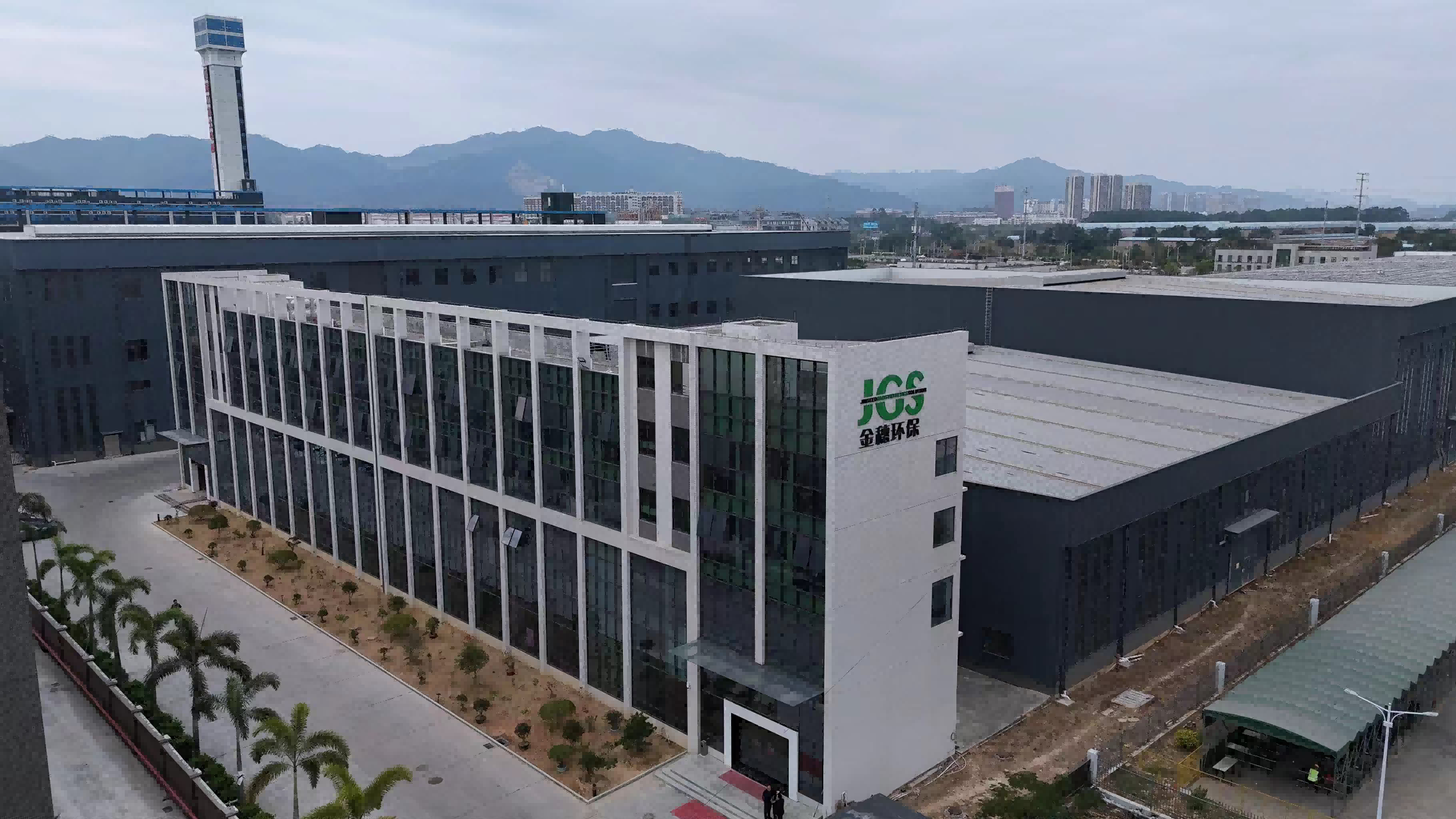

HDPE Geomembrane Pond Liner Factory: Key Factors for Selecting a Trusted Supplier
2026-10-08
Choosing an HDPE geomembrane pond liner factory isn't just about comparing prices—it's about ensuring decades of leak-free performance. Too many projects fail because buyers overlook critical supplier factors until a liner tears or seeps. At JInseed Geosynthetics Solution, we've seen firsthand how factory-level quality control, raw material sourcing, and production consistency separate trusted suppliers from costly gambles. This guide breaks down the key factors to examine before you sign off, so your next pond stays watertight from day one.
Why a Factory Visit Matters More Than a Polished Brochure
A brochure can airbrush a production line into a masterpiece, but it cannot fake the smell of cutting oil or the rhythm of a well-run assembly floor. When you stand on the actual factory floor, you see how raw materials are handled, how workers move between stations, and whether quality checks happen at every step or only at the end. Those details never fit into a tri-fold layout.
There is also a difference between a supplier who welcomes you onto the floor and one who keeps you in a conference room. An open factory signals confidence in the process, while a guarded tour often hides rushed shifts, borrowed machinery, or last-minute sample assembly. Watching a production run in real time tells you more about delivery reliability than any on-time shipment chart in a PDF.
More than that, a visit lets you talk to the people who actually run the machines and pack the orders. They will mention small frustrations and practical improvements that a polished brochure would never admit. That unscripted information helps you judge whether the factory can handle your product's specific demands, not just the generic capabilities listed on page two.
Resin Sourcing Choices That Shape Long-Term Liner Performance

The resin you select for a liner isn't just a material decision—it's a quiet promise about how that liner will behave years down the road. A low-cost, generic polyethylene might meet the immediate spec sheet, but it often lacks the molecular consistency needed to resist stress cracking when temperatures swing or chemical exposure shifts. Sourcing from suppliers who provide detailed polymerization data, not just a product name, lets you trace how the resin will hold its tensile strength and elongation after thousands of flex cycles. That traceability becomes the difference between a liner that performs predictably and one that fails early in ways no one anticipated.
Geographic and logistical choices in resin sourcing carry hidden weight. Resins produced in regions with tighter environmental controls or advanced catalyst technologies tend to have fewer batch-to-batch variations—variations that directly affect liner weld integrity and long-term barrier properties. But it's not only about the resin's birthplace. How it's handled, stored, and transported before reaching your extrusion line matters just as much. Moisture uptake during shipping, prolonged exposure to UV during storage, or inconsistent pellet sizing from a fragmented supply chain can quietly degrade the resin's performance envelope before it ever becomes a liner. Working with a sourcing partner who documents the full chain of custody—from reactor to railcar to silo—gives you a fighting chance at consistent, long-lived liners.
Most operators overlook the compounding step. A resin's base grade might look identical across suppliers, yet the antioxidant package, processing aids, and carbon black dispersion vary widely. Those additives are what fend off oxidative degradation over a liner's service life, especially in buried or exposed applications where heat and oxygen team up against the polymer. A sourcing choice that prioritizes resin with a proven, long-term stabilization system—backed by accelerated aging data rather than just a datasheet claim—pays off in fewer replacements and less downtime. In the end, the cheapest resin per pound is rarely the cheapest liner per decade.
On-Site Testing Lines That Catch Flaws Before Your Pond Does
A liner can look spotless on the roll and still fail the moment water finds a pinhole. That's why we run a vacuum box over every seam, not just the obvious patches near the skimmer. The test takes a minute, but it pulls air through any microscopic gap that would otherwise only show up after your pond has dropped two inches overnight.
The real catches happen where geometry gets tight—around bottom drains, pipe boots, and the curved edge where a waterfall meets the liner. We clamp the box down and watch the gauge, but we also listen. A faint whistle before the needle moves has saved more than one install from a slow, maddening leak.
Testing isn't just about the liner. We check the subgrade for sharp roots and the lap seams for dust before any water goes in. If a flaw is going to reveal itself, better it happen with the pond empty and the crew still on site than after the fish are schooling and the plants have rooted.
Past Installations Reveal More Than Any Sales Pitch
Walk through any of our completed sites and you’ll notice the absence of glossy brochures or rehearsed talking points. Instead, you’ll see machinery that has run for over a decade without a single unplanned shutdown, cable trays routed with a level of precision that makes electricians stop and stare, and control panels labeled so clearly that a new technician can troubleshoot blindfolded. These aren’t staged showcases—they’re working environments where daily operations depend on choices we made years ago.
One client, a cold storage facility in Ohio, once told us they stopped asking for references after their third tour of our previous build. They simply pointed to a compressor room we installed in 2016 and said, “That’s the standard.” No statistic about uptime or efficiency could have landed as hard as watching their maintenance lead run a hand over a vibration-free pump skid and nod in silence.
The truth is, a sales pitch can promise redundancy, safety margins, and ease of access, but a past installation quietly demonstrates whether those promises held up under real load, real dust, and real operator habits. That’s why we encourage prospects to visit our worst-case scenario sites—the ones with corrosive atmospheres, tight clearances, or 24/7 duty cycles. If they still look good there, they’ll look good anywhere.
Technical Support That Answers When It Actually Counts
Most support teams measure success by how quickly a ticket gets closed. We measure it by whether your problem is actually solved before it costs you real money. When a production database stalls at midnight or a payment gateway starts rejecting transactions, you don’t need a friendly reply promising to look into it. You need an engineer who can log in, trace the failure, and fix it. That’s the only metric we care about.
Our team skips the scripted triage layer. You reach someone who has worked with the same tools you use, so you’re not spending twenty minutes explaining what an API is. If an issue lands in our queue, it gets picked up by a person with write access to the infrastructure—not passed between three levels of first-response chat. The result is support that feels less like a help desk and more like having an extra ops engineer on call.
Delivery Commitments and the Packaging That Keeps Them Intact
When we promise a delivery window, we are really promising that the item inside will arrive in the same condition it left the warehouse. That expectation shapes every layer of packaging we use—from the reinforced corner boards that stop crushing in transit to the humidity-resistant film that keeps moisture from creeping in during a cross-country haul. It is not just about cushioning; it is about knowing where pressure points appear when boxes are stacked six high, and designing against them before the first mile is even driven.
Some of the most telling adjustments have come from watching real deliveries fail. A pallet of glassware that reached a distribution center with a 12% breakage rate led us to replace standard foam inserts with a molded pulp cradle that holds each piece by its rim, not its base. That single change cut damage claims by two-thirds and allowed us to keep a two-day promise without quietly padding the schedule. Packaging decisions are rarely visible to the customer, but they are where delivery commitments are either kept or quietly broken.
There is also a quiet arithmetic to weight and volume. The sturdier the box, the more room it takes on a truck and the more fuel it burns—but shaving too much material invites dents, tears, and re-shipments that miss deadlines. We test prototypes the way a courier would treat them: drop tests from loading-dock height, vibration tables that mimic potholed highways, and compression tests that simulate a pallet stacked overnight. A package that survives those tests unchanged is the only kind we trust to carry a promise across state lines.
FAQ
Look beyond the production line. A reliable factory will share resin certifications, batch test reports, and even invite you to audit their extrusion process. You want evidence that thickness, carbon black content, and weld strength are consistently checked, not just promised.
Ask for the resin data sheet and the supplier's traceability records. Pure virgin polyethylene with proper UV stabilizers performs differently than blends with recycled content. A trustworthy factory will disclose the resin grade and let you confirm it matches international standards like GRI-GM13.
A factory that only sells rolls leaves the hardest part to you. The better suppliers offer on-site weld training, recommend certified technicians, or provide wedge welder settings tuned to their specific liner. This support prevents leaks that show up months after installation.
It is the difference between a supplier's word and measurable proof. Request independent lab results for thickness, tensile strength, puncture resistance, and stress crack resistance. If a factory hesitates to provide these, treat that as a red flag.
Price matters, but the lowest bid often hides thinner rolls, reduced carbon black, or skipped QA steps. Compare total installed cost, including freight, welding, and potential repair risk. A liner that fails early costs far more than the initial savings.
Ask about their extrusion line speed, weekly output, and lead time during peak season. A factory with one aging line may struggle to meet your deadline or rush production, which increases variability. Confirm they have enough capacity to handle your order without compromising consistency.
Request references from similar applications—farm ponds, lagoons, or mining ponds. Speak directly with past buyers about delivery accuracy, liner flatness, and how the factory handled any claims. A trustworthy supplier will be open about both successes and difficulties.
Look for a written warranty that covers UV degradation and manufacturing defects for at least 10 years, with clear claim procedures. Be wary of vague promises or warranties that require impossible installation conditions. The fine print reveals how much the factory stands behind its product.
Conclusion
Choosing a dependable HDPE geomembrane pond liner factory rarely hinges on a glossy catalogue. A trip to the production floor tells you far more: whether raw resin is stored cleanly, whether extrusion lines run steadily, and whether workers actually follow the quality checks they describe. Resin sourcing is the quiet backbone of liner longevity. Factories that use 100% virgin high-density polyethylene with clearly documented suppliers tend to produce sheet that resists stress cracking and UV degradation far longer than those blending recycled or off-spec material. The difference shows up years later, not on day one. Equally telling is the on-site testing line. A serious plant will run continuous thickness gauges, spark tests for pinholes, and tensile checks on every batch—not just occasional lab samples. When these controls are visible and routine, you can trust that the liner arriving at your pond has already been caught before it could fail in service.
Past installations are the most honest sales pitch a factory can offer. Ask for references from projects with similar size, depth, and exposure conditions, then speak to the operators who actually handled the liner. You will learn about weldability, flatness, and how the sheet behaved in hot or cold weather. Technical support matters most when something goes sideways during installation or years later. A supplier that staffs real engineers—not just order-takers—and returns calls after the invoice is paid is worth far more than a cheaper quote. Finally, delivery commitments and packaging reveal how the factory treats the product once it leaves the line. Rolls should be wrapped against moisture and UV, clearly labeled, and loaded without crushing edges. A supplier that misses deadlines or ships damaged rolls will cost you more in downtime than any upfront savings. Trust is built in these details, not in marketing language.
Contact Us
Contact Person: Jerry Qiu
Email: [email protected]
Tel/WhatsApp: +65 84265294
Website: https://www.jinseed-geo.com