

High Quality Polyethylene Glycol in Advanced Biomedical Applications
2026-07-31
In the rapidly evolving landscape of biomedicine, the materials we rely on can make all the difference. Polyethylene glycol (PEG) has emerged as a cornerstone of innovation, from enhancing drug delivery systems to enabling cutting-edge tissue engineering. But not all PEG is created equal—achieving breakthroughs demands uncompromising quality. This is where HAISEN sets a new standard, delivering high-purity PEG that researchers and manufacturers trust for their most ambitious projects. Dive in to discover how premium-grade PEG is shaping the future of healthcare.
Sculpting Polyethylene Glycol for Stealth Navigation
Crafting polyethylene glycol (PEG) into a stealth cloak for drug carriers begins with fine-tuning its molecular weight and chain density. A thick, well-hydrated cloud of PEG chains on a nanoparticle surface acts like a brush, sweeping away proteins that would otherwise tag the particle for immune clearance. The tighter and longer the chains, the more effectively they resist opsonization, but there’s a sweet spot—too much crowding forces the chains to stretch, leaving gaps where proteins can sneak in.
The real art lies in shaping PEG not just as a passive shield, but as a dynamic filter. By tweaking chain architecture—branching, looped, or even tadpole-like configurations—one can control how water molecules organize around the surface. This hydration layer becomes a liquid-like barrier that proteins can’t easily adsorb onto, making the particle nearly invisible. It’s less about bulk density and more about creating a smooth, slippery interface that mimics the glycocalyx of native cells.
Beyond the physical sculpting, strategic placement of PEG on carriers allows them to navigate through complex biological terrain unnoticed. Instead of uniform coverage, patchy or clustered PEG can be used to direct interactions only when needed, like a chameleon adjusting its camouflage. This selective shielding keeps the carrier safe during transit but ready to shed its stealth at the target site, transforming PEG from a static coat into a responsive, navigation tool.
The Art of Polymer Chain Blueprint in Circulatory Longevity
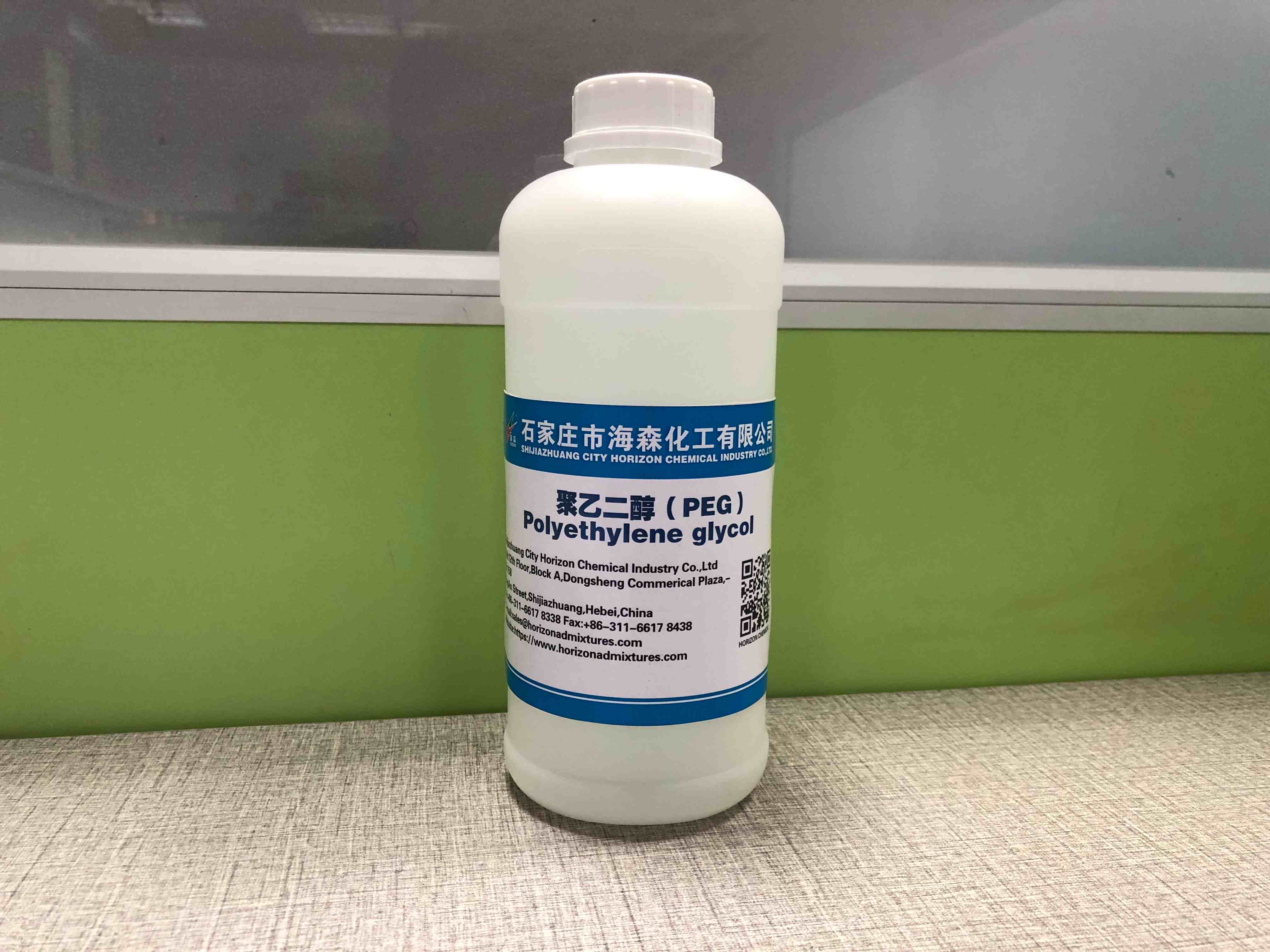
Designing polymer chains for long-term performance in the bloodstream is a meticulous craft, blending chemistry with an almost sculptural sensitivity to molecular architecture. Each monomer choice, each branching point and crosslink, shapes how the material interacts with platelets, proteins, and fluctuating pressures. It's far more than routine synthesis—every sequence in the chain becomes a deliberate stroke, influencing whether a vascular graft integrates seamlessly or eventually triggers a cascade of complications.
The true art lies in balancing conflicting demands without falling back on familiar compromises. A chain too rigid resists flexing in pulsatile flow, while one overly supple may degrade prematurely under enzymatic attack. Subtle variations in tacticity, the placement of zwitterionic groups, or the introduction of self-healing bonds can transform a polymer’s fate within a vessel. These aren't just incremental tweaks; they are masterstrokes that determine if the blueprint holds over decades, quietly enduring billions of cardiac cycles without losing its integrity or fostering restenosis.
Looking forward, the most compelling blueprints will likely break from conventional linear thinking. Adaptive chains that respond to local pH shifts or shear stress gradients could actively maintain lumen patency, moving beyond passive biocompatibility. This dynamic artistry—where the polymer whispers with its biological surroundings—may redefine circulatory longevity, turning synthetic implants into living-like participants rather than inert bystanders.
Fusing PEG with Fragile Therapeutics Without Sacrifice
PEGylation has long been a cornerstone strategy for extending the half-life of biologics, but its application to fragile therapeutics—such as enzymes, cytokines, or nucleic acids—often introduces a delicate trade-off. Traditional conjugation chemistries can disrupt sensitive tertiary structures or occlude active sites, leading to diminished bioactivity. Recent advancements, however, demonstrate that it is possible to fuse polyethylene glycol chains without compromising therapeutic function. By employing site-specific conjugation techniques, such as enzymatic ligation or engineered cysteine residues, PEG molecules attach exclusively at predetermined locations far from critical domains. This preserves the native conformation and binding interfaces, ensuring that efficacy remains intact while still reaping the benefits of reduced renal clearance and immunogenicity.
The choice of PEG architecture also plays a pivotal role in maintaining the integrity of fragile molecules. Linear PEGs, though widely used, can cause steric hindrance that distorts protein dynamics. In contrast, branched or comb-shaped PEG structures offer a more favorable spatial arrangement, allowing the therapeutic to move freely with minimal interference. Moreover, cleavable linkers have emerged as a sophisticated solution: these transient connections gradually release the native protein in vivo, restoring full activity after initial protection. This approach is particularly valuable for therapeutics that must interact with large substrates or penetrate dense tissues. By fine-tuning the linker chemistry and polymer topology, researchers can now design conjugates that shield the cargo during transit yet yield an unencumbered product at the target site.
Equally critical is the analytical framework used to validate these fusions. Techniques such as hydrogen-deuterium exchange mass spectrometry and surface plasmon resonance now confirm that properly PEGylated candidates retain their higher-order structure and binding kinetics. In parallel, in vivo models demonstrate that these optimized conjugates achieve therapeutic windows comparable to unmodified counterparts, but with significantly prolonged exposure. The mantra “without sacrifice” is thus being realized through a convergence of precision chemistry, structural biology, and pharmacokinetic insight, enabling fragile therapeutics to benefit from PEGylation without the historical performance penalties.
When Hydrogel Networks Assume the Role of Tissue
Hydrogel networks have evolved far beyond simple water-absorbing materials; they now mimic the structural and biochemical complexity of natural tissues. By engineering polymer chains to form intricate crosslinked architectures, these materials can replicate the mechanical properties of cartilage, the elasticity of skin, or the viscoelastic behavior of blood vessels. This biomimicry extends to dynamic functionalities—some hydrogels can self-heal after damage, respond to pH or temperature changes, or even conduct electrical signals, much like neural tissue.
The transition from inert scaffold to active tissue analog hinges on the network's ability to interact with living cells. Advanced hydrogels are now designed with cell-adhesive peptides and degradable crosslinks, enabling them to guide cell migration, proliferation, and differentiation. In regenerative medicine, such networks serve as temporary matrices that degrade at the same rate as new tissue forms, seamlessly integrating with the host. Moreover, the inclusion of stimuli-responsive components allows these hydrogels to release growth factors on demand, steering cellular behavior in real time and paving the way for truly functional tissue replacements.
Bench-to-Bedside: Taming PEG’s Synthetic Quirks
Polyethylene glycol (PEG) has long been a staple in drug formulation and surface engineering, valued for its stealth properties and ability to reduce immunogenicity. Yet, moving from laboratory promise to clinical application often exposes PEG’s less celebrated side: subtle synthetic inconsistencies that can derail therapeutic performance. Variability in chain length, unexpected branching, and residual catalyst contaminants are not merely academic concerns—they directly influence circulation half-life, biodistribution, and even trigger unanticipated immune responses in patients. These quirks demand a rigorous taming process before PEGylated products can reliably transition from bench to bedside.
The challenge lies in reconciling the idealized picture of PEG with the messy reality of polymerization. Even minor deviations from the intended molecular weight distribution can lead to heterogeneous populations that behave unpredictably in vivo. For instance, a small fraction of high-molecular-weight species might provoke accelerated blood clearance or activate complement, while under-PEGylated molecules may lose their protective shield too soon. Tackling these issues requires not only advanced characterization tools—such as MALDI-TOF and multi-angle light scattering—but also a shift in manufacturing mindset, prioritizing batch-to-batch consistency over expedient synthesis. It’s about turning a synthetic rubber stamp into a precision instrument.
Progress is being made through tighter process control and novel purification techniques. Some groups are exploring enzyme-mediated conjugations that yield more uniform products, while others are rethinking the backbone itself, introducing cleavable or sterically hindered PEG variants to minimize adverse effects. The bench-to-bedside journey isn’t just about suppressing PEG’s quirks; it’s about leveraging them—designing architectures that harness heterogeneity for tailored release profiles or tissue-specific targeting. As the field matures, the narrative is shifting from sweeping PEG under the rug to openly engineering its peculiarities, finally bridging the gap between synthetic novelty and clinical reliability.
Beyond Protection: How PEG Unlocks New Drug Targets
PEGylation has long been celebrated for its ability to shield therapeutic proteins from rapid clearance, but its true potential reaches far beyond simple protection. By subtly tuning the physicochemical profile of a drug—its size, solubility, and surface charge—PEG chains can reshape how a molecule interacts with biological systems. This reshaping often allows the drug to slip past barriers that would otherwise block it, accessing receptors or enzymes tucked away in privileged compartments. In cancer, for example, PEGylated carriers can passively accumulate in tumors through leaky vasculature, turning previously undruggable stromal targets into viable points of attack.
At the molecular level, PEG can also work as a conformational key. When site-specifically attached to a protein or peptide, the polymer can stabilize a particular structure, revealing cryptic epitopes or binding sites that remain hidden in the native state. This has opened new avenues for allosteric modulation and induced proximity strategies, where the PEG moiety itself acts as a scaffold to bring two cellular players together. Drug targets once considered featureless or inaccessible are now being engaged through precisely engineered PEG architectures that create new surfaces for molecular recognition.
Perhaps most intriguing is PEG's emerging role in immune-silencing stealth systems that allow drugs to linger long enough to reprogram cellular processes rather than simply inhibit them. This temporal extension is not just about slowing elimination; it fundamentally alters the pharmacodynamic relationship with the target, enabling therapeutic interventions that depend on sustained, low-level exposure. Such strategies are giving rise to a new class of targets—those that require gradual phenotypic modulation instead of acute blockade—and PEG is the quiet enabler turning these concepts into clinical realities.
FAQ
Polyethylene glycol stands out due to its high biocompatibility and water solubility. It resists protein adsorption, which minimizes immune responses, and its flexible structure allows it to be tailored for specific roles, from drug carriers to hydrogel scaffolds.
High-quality PEG ensures consistent molecular weight and narrow polydispersity, which directly influences circulation time and biodistribution. Impurities or batch-to-batch variations can alter drug release kinetics or trigger unwanted side effects, so rigorous purification is essential.
PEGylation involves attaching PEG chains to therapeutic molecules, effectively shielding them from enzymatic degradation and renal clearance. This extends their half‑life in the body, reduces dosing frequency, and can improve patient compliance without compromising efficacy.
Ultra-pure PEG provides a blank slate for creating bioactive hydrogels that mimic the extracellular matrix. These materials support cell proliferation and differentiation, enabling the construction of artificial tissues for regenerative medicine with predictable mechanical and chemical properties.
Endotoxin levels, residual solvents, and heavy metal content must be tightly controlled. Additionally, the molecular weight distribution should be verified by techniques like GPC, and the absence of cross‑linking by‑products is crucial to prevent inflammation once implanted.
Yes, PEG-based coatings and bulk materials are employed in implants like drug‑eluting stents and biosensors. Reliability comes from using medical‑grade PEG with validated oxidative stability, as peroxides or degradation byproducts could otherwise compromise device durability and patient safety.
PEG’s unparalleled stealth properties, ease of functionalization, and water‑solubility set it apart. Unlike many alternatives, it can be precisely engineered into block copolymers, dendrimers, or crosslinked networks, allowing scientists to fine‑tune biodegradability and bioactivity for cutting‑edge applications.
Conclusion
The subtle architecture of high-quality polyethylene glycol (PEG) transforms it into a molecular chameleon, adept at evading immune surveillance while shepherding delicate therapeutics through the bloodstream. By meticulously sculpting PEG's chain length, branching, and surface density, scientists craft a near-invisible cloak that resists opsonization and prolongs circulatory residence. This is not mere size exclusion—it is an intimate dialogue between polymer physics and biological recognition. The careful design of the polymer blueprint dictates not only how long a drug persists but how gracefully it navigates the vasculature, minimizing premature clearance. When PEG is conjugated to fragile biologics—enzymes, cytokines, or RNA—the art lies in preserving their fragile three-dimensional folds and functional sites. Poorly controlled conjugation can cripple activity, yet precisely engineered PEG chains shield without steric hindrance, maintaining potency while blunting immunogenicity. Moving from benchtop elegance to clinical reality, however, exposes PEG's synthetic idiosyncrasies: polydispersity, batch-to-batch variability, and unexpected immunogenic responses in some patients. Taming these quirks demands rigorous purification, advanced characterization, and a shift toward monodisperse or sequence-defined PEG architectures that deliver reproducible in vivo performance.
Beyond its stealth role, high-quality PEG becomes a versatile scaffold that can physically replace or augment living tissue. When crosslinked into hydrogel networks, PEG's hydrophilicity and tunable mechanics mimic the aqueous, pliable environment of native extracellular matrix, permitting cell infiltration and nutrient diffusion without provoking scarring. Such constructs temporarily assume the role of damaged cartilage, vocal fold tissue, or post-surgical adhesion barriers, gradually degrading as the body reclaims function. Yet the most intriguing frontier is PEG's emergent capacity to unlock new drug targets—targets once deemed undruggable. By precisely spacing ligands or presenting multivalent binding motifs on a PEG backbone, researchers can cluster receptors, force endocytosis, or redirect cellular trafficking in ways that small molecules or naked proteins cannot. This paradigm shift moves PEG from a passive protector to an active participant in pharmacology, where its quality—defined by narrow dispersity, high purity, and site-specific conjugation—directly determines whether a novel mechanism translates into a therapeutic breakthrough.
Contact Us
Contact Person: Sam Lee
Email: [email protected]
Tel/WhatsApp: 86-311-6617 8338
Website: https://www.horizonadmixtures.com/