
High Speed Sanitary Napkin Production Line: Revolutionizing Feminine Hygiene Manufacturing
2026-04-21
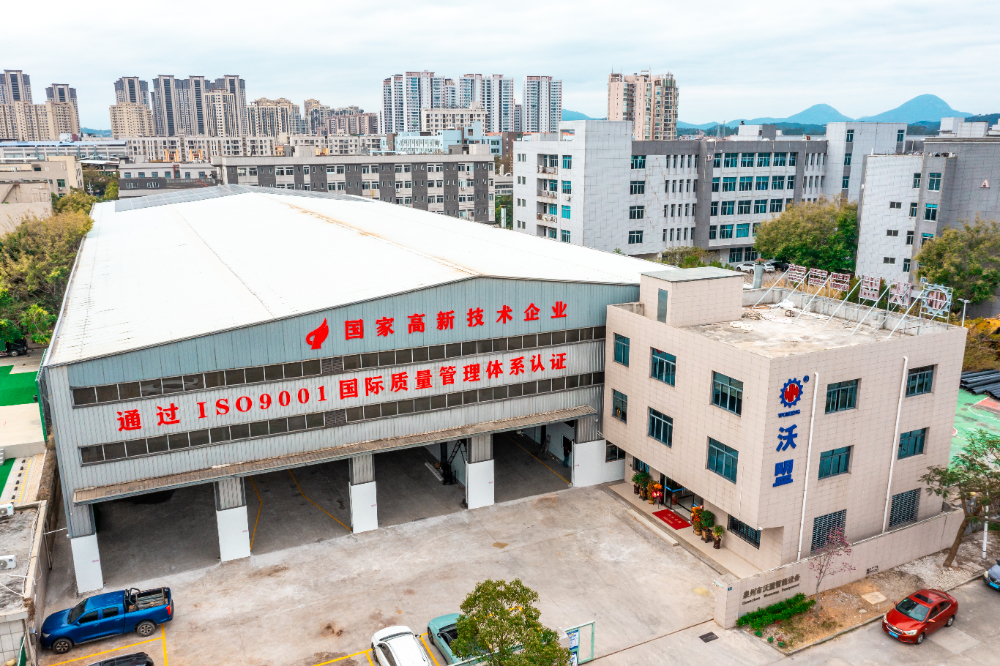
In the ever-evolving landscape of feminine hygiene manufacturing, innovation is not just a buzzword—it’s a necessity. The introduction of high-speed sanitary napkin production lines marks a pivotal shift in how these essential products are made, promising greater efficiency, quality, and accessibility. At the forefront of this revolution is Womeng, a brand dedicated to empowering manufacturers with cutting-edge solutions that redefine industry standards.
Innovative Engineering in Sanitary Napkin Manufacturing
The sanitary napkin industry has undergone a remarkable transformation in recent decades, driven by cutting-edge engineering that redefines user comfort and efficiency. Gone are the days of bulky, uncomfortable designs; today's products leverage advanced materials like breathable, biodegradable layers and super-absorbent polymers that lock away moisture without compromising on thinness. Innovations such as 3D modeling and precision extrusion techniques allow manufacturers to create contoured pads that fit seamlessly, while automated production lines ensure consistency at scale, reducing waste and enhancing sustainability.
Beyond material science, smart engineering integrates features like odor-neutralizing agents and hypoallergenic barriers, addressing common concerns discreetly. Some brands are even experimenting with embedded sensors or IoT connectivity to track usage and health metrics, though these remain niche. This focus on ergonomic design and functional enhancements not only improves daily convenience but also supports broader health initiatives, making hygiene products more accessible and effective for diverse populations worldwide.
In the manufacturing process itself, engineering breakthroughs have streamlined operations, from robotic assembly that minimizes human error to closed-loop systems that recycle water and materials. These advancements not only boost productivity but also align with eco-friendly goals, reducing the environmental footprint. As research continues into areas like plant-based adhesives and compostable packaging, the industry stands at the forefront of combining innovation with social responsibility, shaping a future where personal care is both high-tech and humane.
Automated Efficiency for Streamlined Production Processes
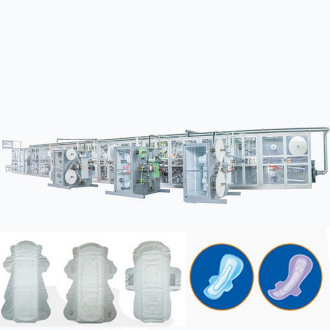
In today's fast-paced manufacturing world, automation isn't just about replacing manual tasks—it's about weaving intelligence into every step of production. By integrating advanced robotics and AI-driven systems, companies can achieve unprecedented levels of efficiency. These smart solutions not only speed up operations but also minimize errors, allowing teams to focus on innovation rather than repetitive chores. Imagine a factory floor where machines communicate seamlessly, adjusting workflows in real-time to adapt to changing demands. This dynamic approach transforms traditional production lines into agile ecosystems, boosting output while cutting costs and waste.
But true streamlined efficiency goes beyond mere automation; it involves creating a holistic environment where data flows freely across departments. Real-time analytics empower decision-makers to spot bottlenecks before they become crises, optimizing resource allocation and reducing downtime. For instance, sensors embedded in equipment can predict maintenance needs, preventing unexpected breakdowns and extending machinery life. By fostering this interconnectedness, businesses can achieve smoother, more resilient processes that adapt swiftly to market shifts, ensuring they stay ahead in competitive landscapes.
Ultimately, cultivating automated efficiency is a journey toward sustainable growth. It's not just about implementing technology but nurturing a culture where continuous improvement is the norm. Employees become collaborators with machines, learning to leverage tools that enhance their skills rather than replace them. This synergy leads to higher-quality products and quicker turnaround times, all while maintaining a safe and engaging workplace. In essence, streamlined production processes powered by thoughtful automation set the stage for long-term success, turning today's innovations into tomorrow's standards.
Advanced Material Integration for Enhanced Product Quality
Integrating advanced materials into product design isn't just about throwing in the latest high-tech components—it's about weaving innovation into the very fabric of what you create. By strategically incorporating materials like lightweight composites, self-healing polymers, or conductive nanomaterials, manufacturers can achieve a remarkable synergy that elevates durability, functionality, and user experience simultaneously. Imagine a smartphone case that not only resists scratches but actively repairs minor cracks, or electric vehicle batteries that maintain peak efficiency longer due to enhanced thermal management. This approach transforms products from mere items into resilient, smarter solutions that stand out in crowded markets.
One common pitfall is viewing material integration as an afterthought, bolted onto designs that weren't conceived with these elements in mind. To truly enhance quality, it must be embedded from the ground up during the prototyping phase. For instance, in aerospace, the adoption of carbon-fiber reinforced polymers isn't just about reducing weight; it involves a holistic redesign of structural components to optimize stress distribution and fatigue resistance. Similarly, in consumer electronics, integrating flexible OLED displays requires rethinking assembly lines and durability testing to ensure seamless performance over time. By prioritizing this early-stage collaboration, companies can sidestep costly redesigns and deliver products that feel inherently refined and reliable.
What often gets overlooked is how this integration impacts the entire lifecycle of a product, from manufacturing to end-of-use. Advanced materials can streamline production processes—think 3D-printed metal parts that consolidate multiple components into one, cutting down assembly steps and potential failure points. Moreover, they can enhance sustainability by enabling longer lifespans or easier recyclability, as seen with bio-based plastics that decompose without harming the environment. This broader perspective shifts the focus from short-term gains to lasting value, ensuring that enhanced quality resonates with both consumers and regulatory standards, ultimately fostering a more innovative and responsible industry landscape.
Sustainability Practices in Modern Hygiene Manufacturing
When you think of hygiene manufacturing, sustainability might not be the first thing that comes to mind, given the industry's focus on sterility and single-use items. However, modern practices are rapidly shifting toward greener alternatives without compromising on cleanliness. From biodegradable packaging and water-saving equipment to energy-efficient production lines, manufacturers are integrating eco-friendly solutions at every stage. By prioritizing recycled materials and reducing waste, they're not only meeting regulatory standards but also appealing to environmentally conscious consumers.
Advanced technologies like closed-loop water systems and solar-powered facilities are becoming more common, cutting down on resource consumption. Companies are also innovating with plant-based ingredients and refillable product formats to minimize plastic use. This holistic approach ensures that maintaining high hygiene standards doesn't come at the planet's expense, fostering a healthier environment for all.
Collaboration across the supply chain is key to driving these changes, with partnerships focused on sustainable sourcing and circular economy models. By adopting these practices, the industry is setting new benchmarks for responsible production, proving that effective hygiene and environmental stewardship can go hand in hand.
Customization Options Driving Market Competitiveness
Businesses today can't just rely on one-size-fits-all solutions to stand out. Customization options have become a key driver of market competitiveness because they allow companies to tailor their products and services to match the specific needs and preferences of different customer segments. When you offer features that can be personalized, like adjustable settings, modular designs, or bespoke configurations, you're not just selling a product—you're creating unique value that resonates more deeply with buyers. This adaptability helps firms differentiate themselves from competitors who stick to rigid offerings, attracting customers who seek flexibility and feel their individual requirements are truly met.
Beyond attracting customers, strong customization capabilities directly boost a company's ability to innovate and respond to market shifts. By incorporating feedback loops and data from user choices, businesses can refine their offerings in real-time, leading to quicker iterations and enhanced product development. This agility means companies are better positioned to seize emerging trends or address niche markets before others do, turning customization from a mere feature into a strategic advantage that fuels growth and customer loyalty over time.
In practice, this plays out across industries, from tech gadgets with customizable interfaces to manufacturing processes that adapt to client specs. It's not just about adding extra options; it's about embedding flexibility into the core business model. Companies that master this balance often see higher retention rates, as customers appreciate the ongoing ability to tweak their purchases to evolving needs. Ultimately, by prioritizing customization, businesses don't just compete—they set new standards, encouraging others to follow suit and raising the bar for what consumers expect in the marketplace.
Future Trends and Technological Upgrades in Production
The production landscape is undergoing a seismic shift, driven by technologies that redefine efficiency and agility. A notable trend is the rise of hyper-automation, where robotics, AI, and IoT converge to automate not just repetitive tasks but entire workflows, enabling real-time adjustments on the fly. This isn't just about cutting costs; it's about creating production lines that can adapt to sudden market changes or supply chain disruptions without missing a beat. For example, factories are deploying smart sensors that predict equipment failures before they happen, slashing downtime by up to 30% in some sectors.
Sustainability is becoming a core driver of innovation, pushing production toward greener methods. Companies are increasingly adopting circular economy principles, where waste is minimized by repurposing materials back into production cycles. Technologies like 3D printing are leading this charge, allowing for on-demand manufacturing that reduces overproduction and material waste. In the automotive industry, efforts are underway to use recycled plastics and metals in new vehicle models, aiming to cut carbon footprints by half within the next decade. This shift isn't just environmentally sound; it's also resonating with consumers who prioritize eco-friendly products.
Human-machine collaboration is evolving beyond simple automation into what some call 'cobotics'—robots working alongside humans in intuitive, seamless ways. Advances in machine learning enable these systems to learn from human operators, improving safety and productivity. In sectors like electronics assembly, cobots handle delicate tasks like soldering while humans oversee quality control, boosting output by over 25% without sacrificing precision. This trend highlights a future where technology amplifies human creativity rather than replacing it, fostering more innovative and resilient production environments.
FAQ
It incorporates automated processes like ultrasonic bonding and precision cutting, enabling faster output with consistent quality, often reducing waste compared to manual methods.
Advanced sensors and control systems monitor materials in real-time, ensuring uniform absorbency and comfort across all napkins, minimizing defects in manufacturing.
They use eco-friendly materials and optimized energy consumption, with some lines integrating recycling systems to reduce plastic and chemical waste.
High speed meets global demand efficiently, cutting costs and minimizing supply shortages, especially in regions with limited access to feminine hygiene products.
Flexible machinery allows quick adjustments for different sizes, shapes, and absorbency levels, supporting customization for diverse consumer preferences.
Automation reduces labor-intensive tasks, lowering operational expenses while requiring skilled technicians for maintenance and oversight, shifting job roles rather than eliminating them entirely.
Conclusion
The high-speed sanitary napkin production line represents a paradigm shift in feminine hygiene manufacturing, driven by innovative engineering that redefines traditional processes. By integrating advanced automation, these lines achieve unprecedented efficiency, streamlining production from raw material handling to final packaging. This automation not only accelerates output but also enhances precision, reducing human error and ensuring consistent product quality. The engineering breakthroughs extend to material integration, where sophisticated layers of absorbent cores, breathable backsheets, and gentle top sheets are seamlessly combined to create superior napkins that prioritize comfort and performance. Such advancements empower manufacturers to meet rising consumer demands for reliability and innovation in personal care products.
Beyond efficiency, modern production lines incorporate sustainability practices, utilizing eco-friendly materials and minimizing waste through optimized resource management. Customization options further boost market competitiveness, allowing brands to tailor products to diverse consumer preferences, from varied sizes to specialized features like odor control or ultra-thin designs. Looking ahead, future trends point toward continuous technological upgrades, such as IoT-enabled monitoring and AI-driven quality control, which promise even greater adaptability and innovation. These developments collectively revolutionize the industry, making high-speed lines not just tools for manufacturing, but catalysts for enhanced hygiene standards and global accessibility.
Contact Us
Contact Person: Jessie Lai
Email: [email protected]
Tel/WhatsApp: 86-188594442931
Website: https://www.wm-machinery.com