

Inconel Alloys Dealers: How to Find Reliable Suppliers for Your Projects
2026-10-31
Sourcing Inconel alloys for demanding applications often feels like navigating a maze of unverified claims and inflated specs. While a quick search yields countless dealers, only a handful can back their inventory with consistent quality and traceability. This guide cuts through the noise, offering practical steps to identify suppliers who won't compromise your project's integrity. Among the names worth knowing is Jiangsu Baowu New Materials, a benchmark for dependable alloy distribution. Read on to learn what separates genuine experts from mere order-takers.
Traceability Isn't Optional When You're Buying Inconel Alloys
When you're sourcing Inconel alloys for high-temperature or corrosive service, traceability is not a box-ticking exercise. A heat number alone tells you almost nothing unless it links to a full set of mill documents: chemical analysis, mechanical test results, and the original melt source. If that chain breaks, you're left guessing whether the material actually meets the required ASME or ASTM specifications.
The reality is that non-traced or lightly traced stock enters the supply chain more often than buyers want to admit. A distributor might sell you plate or bar with a generic certificate that doesn't match the physical markings, or with documentation that's been copied from a different heat. In critical applications, that kind of gap can lead to premature failure, unexpected downtime, or even safety incidents.
So before you place an order, ask for a traceable heat number stamped on the material, a certificate that originates from the mill, and a clear record of how the material moved through distribution. Reputable suppliers won't hesitate to provide this. If the paperwork feels vague or the seller can't confirm the exact origin, treat that as a reason to walk away.
Does Your Inconel Dealer Actually Stock What You Need?
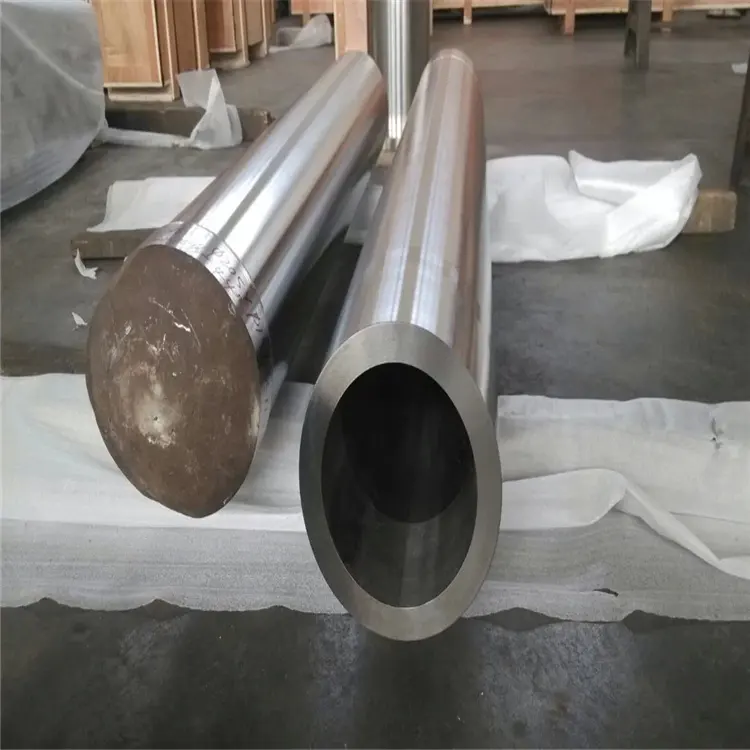
Plenty of metal suppliers list Inconel 625, 718, and other nickel alloys on their websites, but listing a product and actually having it on the shelf are two very different things. Some dealers rely on mill-direct drop shipments or keep only a handful of common sheet sizes in stock, while the round bar, plate, or pipe you need might be weeks away. If your project timeline is tight, that hidden gap between 'catalog listing' and 'physical inventory' can be costly.
Ask the right questions before you place an order. Does the dealer have the specific form—bar, sheet, plate, tube, or wire—in the exact diameter or thickness you need? Can they provide a current material test report (MTR) with a heat number that matches what's actually in their warehouse? A real stocking distributor can usually confirm quantities and schedule same-day or next-day pickup without hedging.
Don't settle for vague answers like 'we can get it quickly' or 'it's in our system.' Those phrases often mean the material is not physically there. Request a photo of the inventory tag or ask for the warehouse location and bin number. If the response is evasive or delayed, you're probably dealing with a broker rather than a true Inconel stockist. In high-performance alloy supply, physical inventory is the only thing that keeps your machining or fabrication schedule from slipping.
The Technical Backup You Didn't Know You Needed from an Inconel Supplier
Most buyers treat Inconel suppliers like order-takers. They send a spec, get a quote, and never think twice until a batch fails mid-production. But the suppliers that quietly save your project are the ones with metallurgists on call, not just a sales desk. When your machinists hit unexpected work-hardening or your welders report cracking in a heat-affected zone, that technical backup becomes the difference between a two-day delay and a scrapped component.
A good Inconel supplier knows the alloy's bad habits: how it laughs at standard cutting speeds, how residual stress builds up in thin sections, how post-weld heat treatment can make or break corrosion resistance. They don't just ship bars and plates. They ask about your forming process, your service temperature, your exposure to chlorides or sulfidation. Then they tell you whether you really need Inconel 625 or if Inconel 718 will do the job cheaper, without compromising the part.
The backup you didn't know you needed shows up when your own engineers are stuck. A mill certificate tells you chemistry and tensile strength, but it doesn't tell you how to salvage a forging that's about to crack in a cold header. Call that supplier, and you get a materials engineer who's seen the same failure in a refinery exchanger or a rocket nozzle. That's not a vendor relationship. That's a quiet insurance policy against the stuff datasheets never cover.
Delivery Dates Aren't Suggestions for Inconel Suppliers
When a supplier commits to a delivery date for Inconel 718 or 625, they are not offering a rough estimate. These alloys demand slow, careful machining, stringent heat treatment, and frequent quality checks that cannot be rushed without risking material integrity. The date on the order confirmation reflects an actual production schedule, not a placeholder to be nudged later.
Treating that date as flexible has direct consequences. A missed Inconel shipment can idle a turbine overhaul, delay a downhole tool deployment, or push a chemical processing shutdown past its planned window. Unlike standard steel parts, you cannot easily source a replacement from a local distributor because Inconel inventory is often built to order and tightly allocated.
Suppliers who respect their own schedules also tend to be the ones who communicate early about potential delays, secure raw material before accepting the order, and reserve capacity rather than overbooking. If a vendor shrugs off a missed date as 'just a suggestion,' that attitude will eventually show up in the quality of the parts too.
The Price Is Rarely the Whole Story with Inconel Quotes
A low per-pound number on an Inconel quote often hides the real costs that show up later. This alloy work-hardens fast, so a job that looks simple on paper can burn through carbide tooling and send scrap rates climbing. Shops that bid strictly on material price usually discover that the cheapest quote ends up costing more once they factor in rework and downtime.
Lead time and availability are other parts of the picture. Inconel isn't stocked everywhere, especially in less common gauges or forms like hollow bar. A supplier offering a slightly higher unit price may already have the material in a local warehouse and can cut it to near-net size, while a lower quote might come with a multi-week mill lead time and a minimum order quantity that locks up cash.
Certifications and traceability add another layer that a raw price doesn't capture. If the part requires material certs, heat lot traceability, or compliance with specific aerospace or oil and gas specs, getting those documents sorted takes time and has a cost. Asking for a total-cost breakdown upfront — including tooling, scrap allowance, test reports, and delivery — gives a much clearer view than comparing line-item prices alone.
Short-Term Deal or Long-Term Partner for Your Inconel Needs?
Placing an order for Inconel is easy. Keeping a production line running when specs shift, lead times stretch, or certs don't match is where the real work begins. A transactional supplier will quote you a price and ship a box. A long-term partner asks which alloy, which temper, which testing protocol your job actually demands before you wire a cent.
We keep 625, 718, X-750, and a handful of less common grades in shapes that don't always show up in standard catalogs. More importantly, we track the heat numbers, surface conditions, and mill sources so you aren't re-auditing material every quarter. If your project tolerates a spot buy, fine. If it can't tolerate rework or missed delivery dates, that's a different conversation.
The difference usually shows up on the second or third order. By then, you know whether the material arrives with paperwork you can actually use, whether the answer to a metallurgy question is a real answer or a callback that never comes, and whether the price quoted is the price you pay. That's the point where short-term savings quietly turn into long-term costs.
FAQ
Look for ISO 9001 as a baseline for quality management, but also check for material-specific traceability like EN 10204 3.1 or 3.2 certificates. These prove the alloy's chemical composition and mechanical properties match the mill's original test reports. For aerospace or nuclear work, ask if they can supply to AMS or ASTM specifications with full lot traceability. A dealer who hesitates to show these documents usually has something to hide.
Request a live video call showing the specific alloy grades and sizes in their warehouse, or ask for a recent third-party inspection report with heat numbers. Legitimate stockists will often provide photos with date stamps and lot labels. Another trick is to ask for a small sample cut from the exact bar or plate you plan to buy; if they delay or redirect, walk away.
Ask whether they stock common grades like 625 or 718 in standard diameters, or if every order triggers a mill run. Clarify if they can break bundles for smaller quantities without huge price penalties. Also confirm realistic delivery windows for mill-direct orders—some dealers quote 2 weeks but actually take 10 because they consolidate shipments. Get the lead time in writing with a penalty clause for late delivery.
Inconel pricing swings with nickel and molybdenum markets, so a dealer offering far below market is likely selling surplus, off-spec, or even counterfeit material. Cheap stock may lack proper heat treatment or have inconsistent grain structure, leading to premature failure in high-temperature service. A slightly higher price from a dealer who provides full documentation and technical support is usually cheaper in the long run.
Watch for vague terms like 'high quality' without specific ASTM or UNS numbers, refusal to provide heat numbers before purchase, no physical address or only a PO box, pressure to pay via wire transfer to an offshore account, or inability to name the original mill source. Also beware of dealers who claim to stock every grade in every size—real specialists focus on a few common alloys.
Ask a scenario-based question: 'We're welding Inconel 625 overlay on carbon steel in a sour gas environment—what filler metal and post-weld heat treatment would you suggest?' A reliable dealer will mention ERNiCrMo-3 and discuss avoiding sensitization, or at least connect you with their metallurgist. If they just say '625 works fine,' they're order-takers, not partners.
Expect them to provide full material certificates, assist with any discrepancies in chemical analysis, accept returns for unused stock within a reasonable window, and offer cutting or machining recommendations without extra charge. The best dealers will follow up to confirm the material performed as expected in your application, and they'll keep your purchase history on file for future traceability audits.
Conclusion
Finding a dependable Inconel alloys dealer demands more than a quick price check. You need suppliers who can prove material traceability from melt to final delivery, because without that paper trail you're gambling on integrity in high-stakes applications. Equally important is whether the dealer actually stocks the specific grades and forms you require—offering a catalog doesn't mean they have it on the shelf. Technical backup is another silent dealbreaker: a supplier who understands heat treatment, welding nuances, or service temperature limits can save your project from costly rework. None of that matters if delivery dates slip, though; a reliable Inconel source treats lead times as commitments, not rough estimates.
Price quotes rarely tell the whole story. Cheap material may hide non-certified stock, mixed heats, or questionable origins—costs that surface later as failures or delays. Ask whether the dealer is offering a transactional sale or building a long-term partnership; the best suppliers invest in understanding your recurring needs, maintain buffer inventory for urgent calls, and provide consistent documentation without being chased. Ultimately, the right Inconel dealer behaves like an extension of your engineering team: transparent about limitations, proactive about lead times, and honest enough to say when a specific alloy isn't the right fit instead of pushing what's profitable for them.
Contact Us
Contact Person: Zoe Liang
Email: [email protected]
Tel/WhatsApp: 86 189 2128 6299
Website: https://www.jycomat.com