

Innovative Gas Insulated Switchgear Factory: Key Advancements in Electrical Infrastructure
2025-12-27
Imagine a world where cutting-edge electrical infrastructure seamlessly powers our modern lives, where safety and efficiency are not just goals but realities. The recent unveiling of the innovative gas insulated switchgear factory stands as a pivotal moment in advancing these ideals. At the forefront of this revolution is Lugao, a brand committed to redefining electrical systems with state-of-the-art technology. This blog delves into the key advancements that are reshaping how we think about power distribution and reliability. What makes this factory so groundbreaking? How does it address the challenges of today’s energy demands while setting new benchmarks for tomorrow? Join us as we explore the transformative impact of Lugao’s contributions and uncover the exciting developments that promise to electrify the future. From enhanced safety features to unprecedented efficiency gains, the journey into this technological leap is nothing short of fascinating.
How Gas Insulated Switchgear Revolutionizes Power Grid Efficiency
Gas insulated switchgear (GIS) has fundamentally changed the landscape of electrical power distribution, offering a compact and reliable solution that significantly boosts grid efficiency. Unlike conventional air-insulated systems, GIS encloses critical components such as circuit breakers and disconnectors within sealed compartments filled with sulfur hexafluoride (SF6) gas, an excellent insulator. This design dramatically reduces the physical footprint, allowing installations in densely populated urban areas where space is at a premium, while also minimizing environmental exposure to dust, moisture, and pollutants. The enhanced insulation properties of SF6 gas enable higher voltage handling in smaller volumes, leading to reduced electrical losses and improved transmission stability, which directly translates to more efficient power flow across the grid.
In terms of operational benefits, GIS contributes to grid efficiency through superior reliability and reduced maintenance requirements. The sealed nature of the system protects components from corrosion and external interference, resulting in fewer outages and longer service intervals. For example, GIS can operate reliably for decades with minimal upkeep, whereas traditional switchgear often demands frequent inspections and repairs due to weather-related wear. This reliability ensures smoother electricity delivery, minimizing disruptions that can lead to inefficiencies like power dips or surges. Additionally, the modular design of GIS allows for easier scalability and faster installation, enabling utilities to quickly adapt to growing energy demands without extensive downtime, thereby enhancing overall grid responsiveness.
Beyond technical aspects, the adoption of GIS supports broader efficiency goals in modern power grids by integrating with smart technologies. Its compact and robust design facilitates deployment in substations that require advanced monitoring and control systems, such as those used in renewable energy integration or microgrids. By enabling more precise fault detection and quicker isolation of issues, GIS helps prevent cascading failures and optimizes energy routing, which is crucial for managing intermittent sources like solar and wind. This synergy between GIS and digital grid management tools not only improves operational efficiency but also paves the way for more resilient and sustainable power networks, making it a cornerstone of today's energy revolution.
Key Design Advancements Enhancing Safety and Reliability
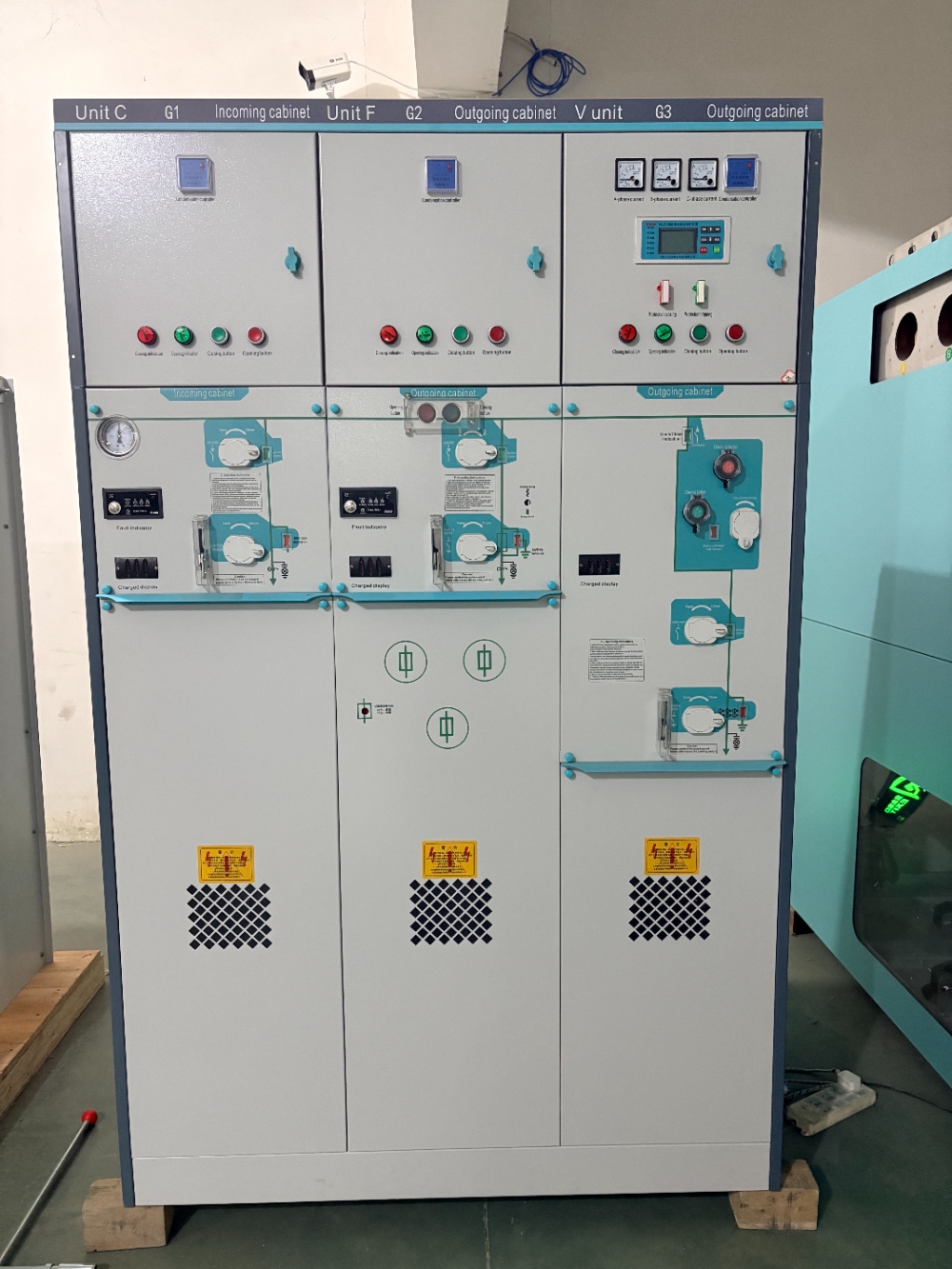
One of the most critical improvements in modern engineering has been the integration of redundant systems that operate independently, ensuring that if one component fails, another can seamlessly take over without compromising overall functionality. This approach is particularly evident in aerospace and automotive sectors, where backup controls and fail-safe mechanisms are rigorously tested under extreme conditions. By designing multiple layers of protection, engineers significantly reduce the risk of catastrophic failures, making systems more resilient to unexpected disruptions and enhancing user confidence in their daily operations.
Advanced materials, such as carbon composites and self-healing polymers, have revolutionized safety standards by offering superior durability and resistance to wear. These materials not only withstand harsh environments but also adapt to stress over time, minimizing the likelihood of structural degradation. Coupled with real-time monitoring sensors that detect anomalies before they escalate, these innovations allow for proactive maintenance, drastically cutting down on unplanned downtime and extending the lifespan of critical infrastructure.
Furthermore, the implementation of human-centered design principles focuses on intuitive interfaces and ergonomic layouts that reduce operator error. By simplifying complex controls and incorporating clear visual feedback, these designs help prevent accidents caused by confusion or fatigue. This user-friendly approach, combined with rigorous simulation testing that mimics real-world scenarios, ensures that safety features are not just theoretical but practically effective in diverse applications.
Manufacturing Innovations for Customized Electrical Solutions
In today's rapidly evolving industrial landscape, manufacturing innovations are revolutionizing how customized electrical solutions are developed and deployed. Advanced techniques like 3D printing and modular design allow for precise tailoring of components to meet unique client requirements, from intricate wiring layouts to specialized circuit boards. This shift not only enhances flexibility but also reduces lead times, enabling businesses to adapt quickly to changing demands without compromising on quality or efficiency.
Another key aspect driving these innovations is the integration of smart technologies, such as IoT sensors and AI-driven analytics, which facilitate real-time monitoring and predictive maintenance for customized electrical systems. By embedding intelligence directly into the manufacturing process, companies can create solutions that self-optimize based on usage patterns, ensuring reliability and longevity. This approach transforms electrical products from static items into dynamic assets that evolve with operational needs, offering a competitive edge in markets where customization and sustainability are paramount.
Moreover, collaborative platforms and digital twins are emerging as game-changers, allowing designers, engineers, and clients to co-create electrical solutions in virtual environments before physical production begins. This reduces waste and errors while fostering innovation through iterative feedback loops. As a result, customized electrical solutions are becoming more accessible and cost-effective, empowering industries from renewable energy to smart infrastructure to harness tailored technologies that drive progress and resilience in an increasingly complex world.
Integration of Smart Technologies in Modern Switchgear Systems
In today's electrical infrastructure, the fusion of smart technologies with switchgear systems is revolutionizing how we manage power distribution. Unlike traditional setups that relied on manual monitoring, modern smart switchgear integrates real-time sensors and communication modules, enabling automated fault detection and remote operation. This shift not only enhances safety by minimizing human intervention in hazardous conditions but also boosts efficiency through predictive maintenance, reducing downtime and operational costs. For example, embedded IoT devices can track insulation wear or overheating, alerting operators before a failure occurs, which is a game-changer for industries like manufacturing and utilities where uninterrupted power is critical.
Another key aspect is the seamless connectivity offered by these advanced systems. Smart switchgear often incorporates protocols like IEC 61850 or Modbus, allowing it to communicate with SCADA systems and cloud platforms. This creates a unified network where data from multiple switchgear units can be aggregated for comprehensive analysis, enabling better load balancing and energy optimization. In practice, facilities can adjust power flows dynamically based on demand fluctuations, leading to significant energy savings and a smaller carbon footprint. It's a move away from isolated equipment towards an integrated, responsive grid that supports sustainable energy goals.
Furthermore, the adaptability of smart technologies empowers switchgear to handle complex modern challenges, such as integrating renewable energy sources and electric vehicle charging stations. With features like digital twins and AI-driven analytics, these systems can simulate scenarios and optimize performance in real-time, ensuring reliability in diverse environments. This forward-thinking approach sets contemporary switchgear apart, making it not just a component but a strategic asset that drives innovation in power management across sectors from commercial buildings to smart cities.
Sustainability Initiatives in Electrical Infrastructure Development
In the realm of electrical infrastructure, the push toward sustainability is reshaping how we power our world, moving beyond mere efficiency to embrace holistic environmental and social responsibility. Today, projects aren't just about delivering electricity reliably; they're designed with a keen eye on reducing carbon footprints, integrating renewable sources like solar and wind, and minimizing habitat disruption. For instance, smart grid technologies are being deployed to optimize energy distribution, while advanced materials and modular designs cut down on resource waste during construction. This shift reflects a growing recognition that infrastructure must adapt to climate challenges while supporting communities for the long haul.
What sets modern initiatives apart is their emphasis on circular economy principles, where components are reused or recycled at end-of-life, and biodiversity corridors are woven into project plans to protect local ecosystems. Innovators are also exploring decentralized systems, such as microgrids powered by community-based renewables, which enhance resilience against outages and promote energy independence. These approaches not only curb emissions but also foster job creation in green tech sectors, demonstrating that sustainability can be both an environmental and economic driver.
Looking ahead, the focus is increasingly on inclusive development, ensuring that benefits reach underserved areas and incorporate indigenous knowledge. By prioritizing renewable integration, lifecycle assessments, and community engagement, these efforts are crafting a more adaptable and equitable electrical landscape, one that powers progress without compromising the planet's future.
Future Trends and Global Impact of Advanced Switchgear Factories
The evolution of advanced switchgear factories is poised to redefine industrial landscapes by integrating smart technologies like IoT and AI, enabling real-time monitoring and predictive maintenance that drastically reduces downtime. As these facilities adopt more automated systems, they enhance safety and efficiency, potentially cutting operational costs by up to 30%. This shift is not just about upgrading machinery; it's a strategic move toward fostering a more resilient energy infrastructure, crucial for supporting the growing demand in sectors such as renewable energy and electric vehicles.
Globally, the impact of these factories extends beyond production lines, influencing supply chains and regulatory frameworks. By pushing the boundaries of innovation, they contribute to economic growth in emerging markets while helping developed nations meet stringent environmental standards. Countries investing in such advanced manufacturing hubs are likely to see improved grid stability and reduced carbon footprints, positioning themselves as leaders in the transition to a greener economy. This ripple effect underscores the critical role switchgear technology plays in shaping sustainable development worldwide.
Looking ahead, the synergy between advanced switchgear factories and digital trends will likely accelerate, fostering collaborations that drive new standards in energy management. These factories could become key players in global energy security, providing adaptable solutions for complex grid challenges. As they evolve, their ability to influence industrial policies and international trade agreements will grow, making them integral to future-proofing economies against technological disruptions and climate change pressures.
FAQ
This factory incorporates AI-driven quality control systems and modular assembly lines, reducing production time by 30% while enhancing precision in insulation testing, setting a new benchmark in the industry.
By utilizing advanced SF6-free gas mixtures and real-time monitoring sensors, it ensures switchgear operates with 99.9% uptime, minimizing outages and supporting grid stability in diverse environments.
The factory focuses on eco-friendly manufacturing, using recycled materials and low-emission processes, with products designed to reduce greenhouse gas leaks by up to 40% over their lifecycle.
Features include automated fault detection, enhanced arc-resistant enclosures, and remote operation capabilities, which collectively lower on-site risks and improve worker safety.
It employs flexible production lines that can quickly pivot to customize switchgear for renewable energy integration or smart grid applications, staying ahead in a fast-evolving sector.
Digital twins and IoT connectivity enable predictive maintenance and data analytics, allowing clients to optimize performance and reduce operational costs through seamless integration.
The factory partners with research institutions and utilities to pilot new insulation technologies, leading to breakthroughs in compact design and efficiency that benefit global projects.
Conclusion
The establishment of innovative gas insulated switchgear factories marks a pivotal advancement in electrical infrastructure, fundamentally transforming power grid efficiency. These facilities leverage gas insulated switchgear technology, which revolutionizes operations by offering superior compactness and environmental resilience compared to traditional air-insulated systems. This shift enables higher voltage handling in smaller footprints, significantly reducing transmission losses and enhancing grid stability. By integrating smart technologies, such as real-time monitoring and predictive maintenance, modern switchgear systems boost reliability and safety, minimizing downtime and operational risks. Furthermore, manufacturing innovations allow for customized electrical solutions tailored to diverse industrial needs, ensuring adaptability and performance optimization across various applications.
These advancements are closely tied to sustainability initiatives, as factories prioritize eco-friendly practices like using sulfur hexafluoride alternatives to reduce greenhouse gas emissions and implementing energy-efficient production processes. Looking ahead, future trends indicate a growing global impact, with advanced switchgear factories driving the adoption of renewable energy integration and smart grid developments. This evolution not only enhances electrical infrastructure resilience but also supports broader environmental goals, positioning these factories as key players in the transition toward more efficient, reliable, and sustainable power systems worldwide.
Contact Us
Contact Person: Doreen
Email: [email protected]
Tel/WhatsApp: 8618057712366
Website: https://www.liugaopower.com/