

Model 100 Semi-Drop Hydraulic Lift Motorcycle Trailer China Manufacturer Buying Guide for Smart Buyers
2026-11-20
If you have ever wrestled a heavy bike onto a trailer after a long ride, the Model 100 semi-drop hydraulic lift motorcycle trailer feels less like an upgrade and more like common sense. But finding a China manufacturer that won't cut corners on hydraulics, welds, or after-sales support is where smart buyers separate themselves from the rest. This guide breaks down what to look for before you buy, and why Whole Chain Tech keeps showing up in serious buyer shortlists.
Where the Model 100 Saves You Effort Every Time You Load
Loading the Model 100 feels less like setting up equipment and more like picking up a tool that already knows what the day demands. The usual fiddle with straps, buckles, and arbitrary adjustment points is gone. Instead, the contact points land where they should on the first try, and the weight settles in a way that does not need to be mentally rebalanced every few minutes.
That repeatability matters more than it first appears. When nothing shifts, bites, or needs a second pass, you stop thinking about the carry and start thinking about the task in front of you. Over a long day, those small absent interruptions add up to less fatigue and fewer stops to readjust.
It is not that the design announces itself as comfortable. It simply stops asking for attention. And that is where the real savings happen: not in a single dramatic moment, but in every quiet load where nothing needs to be corrected before you move.
Hydraulic Lift Parts That Fail First on Cheaper Trailers
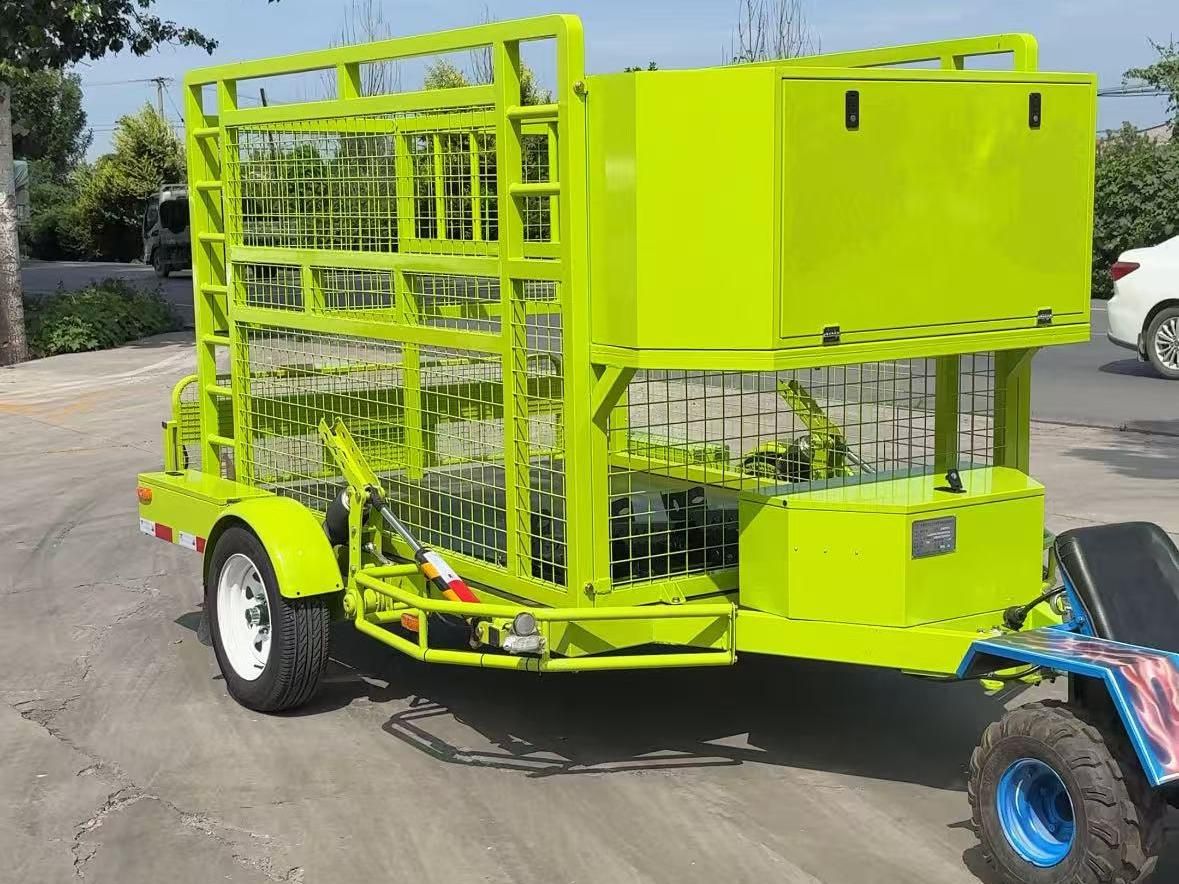
Most budget trailers share the same weak links, and the lift system is where corners get cut first. The hydraulic hose fittings are usually the earliest failure point — thin crimps, low-grade O-rings, and soft metal bodies start weeping fluid within a season or two. You'll often spot a slow drip near the cylinder base before anything actually stops working. That leak is the trailer telling you the fitting was never made for repeated pressure cycles.
The cylinder rod itself is another common casualty. On cheaper units the rod isn't hard-chromed properly, or the seal wiper gets stiff and lets dirt grind against the surface. What starts as a faint scoring line turns into a steady bypass leak, so the deck drifts down under load. Owners tend to blame the pump, but nine times out of ten the rod surface is the real culprit. A quick flashlight check for scratches and pitting will reveal more than any pressure test.
Then there's the breather cap on the reservoir. It looks like a trivial plastic piece, but when it clogs or cracks, the pump pulls vacuum and cavitates. On cheap trailers this cap is often brittle from day one, and once it fails the whole system runs hot and jerky. Replacing the cap and flushing the fluid is the cheapest repair you'll ever make — and the one most people skip until the pump burns out.
Measuring Your Bike and Ramp Before You Commit to a Deck Height
Start with the bike on flat ground, tires at the pressure you actually ride, and have someone hold it upright. Measure from the ground to the center of the bottom bracket, then rotate the cranks until a pedal is at its lowest point and measure that gap. If you have full suspension, repeat the check with your weight on the saddle because sag drops the bottom bracket more than most people expect. That lower number, not the catalog figure, is what matters for clearing the ramp transition.
Next, mock up the ramp angle rather than guessing. Set a long board or string line from the top of the landing back to the transition area, then measure the vertical drop and horizontal run. A ramp that looks mellow off the bike can get tight when you factor in crank clearance and a compressed rear shock at the lip. Push down on the seat and watch how much the gap closes before you lock in any dimensions.
Leave a little extra room beyond the minimum measurement. Tires deflect, wood flexes, and landings settle, so a deck height that barely clears on paper can clip under real riding conditions. Bump the height up a half inch to an inch, or lower the ramp angle slightly, until the whole setup works without relying on perfect timing every run.
Factory Floor Clues That Predict Long-Term Trailer Quality
Walk a trailer line before the units roll out and the signs are already there. Undercarriage welds with consistent bead width and no undercut usually hold up better than heavy, uneven passes hidden under thick paint. Watch how the harness is routed through the frame; clips at regular intervals and service loops near pivot points mean fewer rub-through failures two winters later. Floor-level torque tools with recent calibration tags are a stronger signal than any final inspection sticker.
The quieter clues matter just as much. Look at how raw steel is stored—raised off concrete and covered, rather than stacked in damp corners—and you can guess how much rust will be blooming inside crossmembers before the first brake job. The same applies to sealant application around roof seams and wheel boxes. If operators apply it in long, uninterrupted beads instead of smearing a thin film, water intrusion tends to show up later, not in the first year.
Small process habits reveal how the plant handles variation. A station that sorts fasteners by lot and records which batch went into which VIN catches axle or coupler problems before they become warranty claims. Even the general order of the line tells a story. Subassemblies built offline, inspected, and then delivered to the main line usually beat a pile of parts fitted on the fly. None of this is glamorous, but trailers that last are rarely built by accident.
Shipping and Delivery Traps That Inflate the Final Price
The price on the product page rarely survives contact with the checkout. A handful of sellers quietly split what should be ordinary postage into separate line items: a base shipping fee, a handling charge, a fuel surcharge, and sometimes a residential delivery fee. Free-shipping thresholds are often set just above the most common order size, so you end up adding an item you did not plan to buy just to avoid a six-dollar charge. By the time the total appears, the discount that drew you in has thinned noticeably.
Cross-border orders add another layer of unpleasant surprises. Customs duties, import taxes, and brokerage fees are frequently left out of the advertised total, then demanded by the carrier before the package is released. Even domestic deliveries can carry last-minute costs if the address is classified as remote or if the only available service is an expedited option with a vague delivery window. The final charge is not always visible until the payment page, and refunds for late or missed deliveries are rarely automatic.
A quick review of the itemized fees before paying is the simplest defense. Look for words like handling, surcharge, and residential, and compare the final total against the original listed price rather than the headline discount. For international purchases, checking the courier's brokerage policy and the destination country's import threshold can prevent an inflated bill from arriving with the package.
The First 30 Days With a Semi-Drop Trailer: Adjustments That Actually Matter
The first month with a semi-drop trailer is less about hauling and more about letting the hardware settle into your truck. Spend the first few loaded runs watching how the coupler sits on the ball, not just whether it latches. A semi-drop's lower deck shifts the center of gravity, so a hitch that felt fine empty can porpoise under partial load. I dropped the hitch one notch after the second trip and the difference in steering feedback was immediate. Check the safety chains for slack at full lock in both directions, and mark the jack foot with a paint line so you can tell at a glance whether it has started walking loose.
Tire pressure and axle alignment deserve attention before you trust the trailer with anything heavy. Bring the cold pressures up to the axle maker's spec for the actual load, not the max number on the sidewall, and then recheck them after three or four short trips. A semi-drop's axles sit farther forward than they look, so a slight dogtrack will chew up tires fast on tight jobsite turns. Use a straightedge across the hub faces or a quick tape pull from the coupler to each spindle to catch yaw early. Then retorque the U-bolts and spring hangers around day twenty, after the suspension has had time to take a set.
The other adjustment that actually matters is inside the bed: where you place the first heavy pallet. With the drop deck, putting the densest load just ahead of the axles instead of against the headache rack changes how the trailer follows on crowned roads. Move it forward a foot at a time until the truck and trailer stop fighting each other over dips. Once you find that spot, mark it with tape and keep the same pattern for the next several hauls. It feels like a small thing until you drive a stretch of patched asphalt and realize the tail isn't pushing you around anymore.
FAQ
The deck sits lower between the wheels, which keeps the ramp angle shallow. That makes a real difference when you are pushing a heavy cruiser or a bike with low pipes up alone, since the belly and exhaust are less likely to scrape.
A rated capacity does not tell you much if the pump is weak or the cylinder seals are cheap. The practical risk is the deck stalling halfway up with a bike on it, so look for a proven pump, a manual backup, and clear instructions for emergency lowering.
Ask for assembly video from the factory floor and request photos of the jig or welding line. A real builder can also walk you through small production changes, such as moving tie-down rings or adjusting the wheel chock position, without sounding vague.
It reduces the effort needed to push a bike onto the deck and keeps the center of gravity lower while driving. That helps with stability and means you are not relying on a long, steep ramp that feels unsafe when you are by yourself.
Deck width, wheel chock placement, tie-down ring thickness, and the empty trailer weight all affect daily use. A model can lift the weight but still be frustrating if the chock hits your front fender or the tie-down points are too far forward to secure the rear properly.
Most direct manufacturers will change the deck length, ramp style, front wheel vise, or coupler if you confirm the details before production. The important step is getting those changes shown on the invoice drawing rather than accepting a verbal promise.
Start with the hydraulic fittings and fluid level because shipping vibration can loosen connections. Then run the empty deck through a full lift and lower cycle, inspect the welds carefully, and test the lights and wiring before loading a motorcycle.
Think about the heaviest bike you own and the most difficult loading spot you use, then select only the add-ons that solve those problems. Request an itemized quote so items like a spare tire mount or longer ramp are easy to remove if they are not essential.
Conclusion
The Model 100 makes the most tedious part of hauling feel almost unremarkable, and that is exactly the point. The semi-drop deck sits low enough that the hydraulic lift does not have to work against a steep ramp angle, so loading a heavy cruiser or a tall adventure bike becomes a controlled glide rather than a wrestling match. Still, the real difference shows up in the hydraulic components. Cheaper trailers often cut corners on cylinder seals, hose routing, and the fittings that take the most pressure during repeated lifts; those are the parts that weep fluid or fail when the trailer has been sitting in the sun. Smart buyers measure the bike's wheelbase, ground clearance, and ramp length before trusting a published deck height, because a few centimeters of extra drop can mean the difference between a solo load and a two-person job. When buying direct from a manufacturer in China, a quick walk-around of the factory floor, even by video, reveals whether the welding is consistent, the tubing is deburred, and the hydraulic lines are clamped instead of zip-tied. Those details predict long-term behavior far better than a spec sheet.
Pricing is where many otherwise solid purchases fall apart. Some quotes look attractive until you ask who handles terminal fees, customs brokerage, crate disposal, and final delivery to a residential address. The Model 100's value depends on getting those terms in writing before the deposit clears, not after the unit lands at a port. Once it arrives, the first thirty days matter more than the badge on the fender. Checking bolt torque on the deck pivots, bleeding or topping off the hydraulic reservoir, adjusting the latch alignment, and inspecting the wiring connections will do more for long-term reliability than any factory promise. Buyers who treat that first month as a sorting-out period usually end up with a trailer that operates smoothly, while those who skip the small adjustments tend to chase leaks, rattles, and uneven lifting later. A little patience early on is cheaper than a hydraulic rebuild six months in.
Contact Us
Contact Person: Allan
Email: [email protected]
Tel/WhatsApp: +86 18227999576
Website: https://www.wholechaintech.com/