

Professional Flame Resistant Clothing: The Ultimate Guide to Workplace Safety and Protection
2026-07-17
When it comes to workplace safety, few things are as critical—or as overlooked—as the clothing you wear. A single spark, a flash fire, or an arc flash can change lives in an instant, yet many professionals still underestimate the power of proper protection. This guide strips away the jargon to give you a clear, no-nonsense look at professional flame-resistant clothing, from the science behind the fabrics to real-world performance. We’ll explore what makes DROTEX a trusted name for those who demand uncompromising safety without sacrificing comfort.
Why Flame Resistant Clothing Matters More Than Ever
It’s easy to think of flame resistant clothing as gear for firefighters or industrial workers, but the reality is that risks are everywhere—from arc flashes on a construction site to a sudden kitchen fire at home. With modern materials and manufacturing techniques, FR clothing isn’t just safer; it’s lighter, more comfortable, and looks like everyday wear. That shift means more people are actually willing to put it on, and that’s saving lives in situations no one expects.
Regulations are also tightening in fields like oil and gas, electrical work, and even renewable energy jobs where high-voltage systems pose serious thermal threats. Companies are realizing that generic safety measures aren’t enough; having the right FR layers can mean the difference between a minor incident and a catastrophic injury. Beyond compliance, it’s about creating a culture where people feel genuinely protected, not just handed a checklist.
Then there’s the unpredictable edge of daily life—natural disasters, car accidents, or even a backyard grilling mishap. Flame resistant clothing isn’t just a uniform anymore; it’s peace of mind woven into fabric. As awareness grows, it’s becoming less of a niche requirement and more of a sensible choice for anyone who values staying one step ahead of the unexpected.
Decoding the Science Behind Fire-Resistant Fabrics
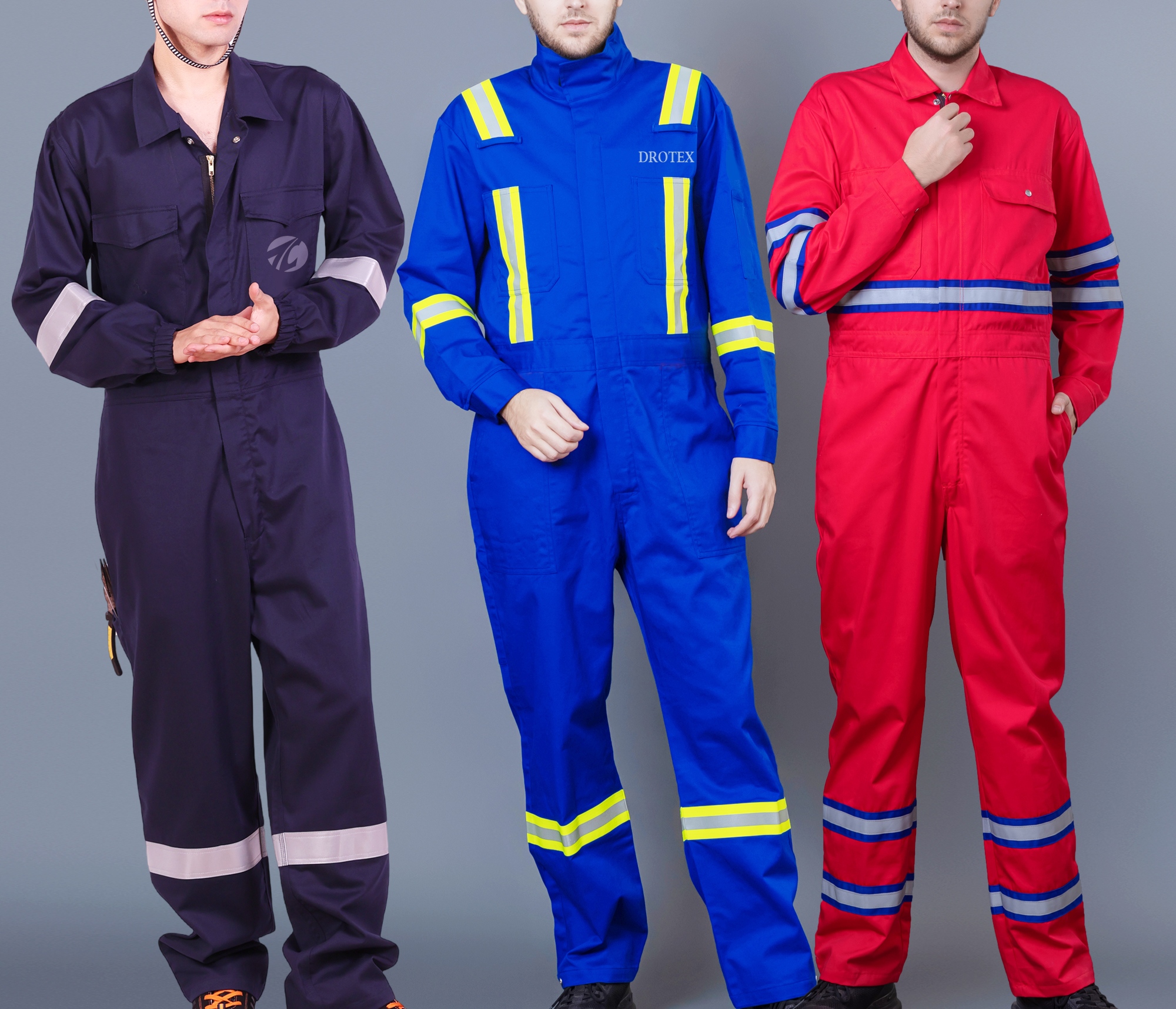
Fire-resistant fabrics might seem like everyday magic, but the real sorcery lies in their molecular architecture. At the core, these materials are engineered either through inherently non-flammable polymers or by chemically bonding flame-retardant compounds onto fiber surfaces. Aramid fibers, for instance, owe their resilience to strong hydrogen bonds and aromatic rings that require immense heat to break down. When exposed to flames, they don’t melt—instead, they carbonize into an insulating char layer that blocks further heat transfer, buying precious seconds in emergency situations.
Other synthetic options like modacrylic blends take a different route. They release non-combustible gases when heated, effectively diluting the oxygen supply around the fabric and snuffing out the flame’s fuel source. It’s a clever bit of chemistry: the gas emission not only cools the material but forms a protective halo that stops combustion in its tracks. Meanwhile, natural fibers such as wool possess a high ignition temperature and a protein structure that chars rather than ignites, making them a underrated ally in fire safety.
The real art, however, is in striking a balance between protection and wearability. Early fire-resistant textiles were often stiff, heavy, and merciless to the skin, but modern advances have woven comfort into the equation. By blending flame-resistant filament yarns with moisture-wicking cores, manufacturers create shirts and trousers that feel like everyday wear while meeting rigorous safety standards. This fusion of physics and textile design ensures that a firefighter’s jacket or a racer’s suit doesn’t just shield the body—it moves with it, proving that high-performance protection doesn’t have to sacrifice human mobility.
How to Choose the Right FR Gear for Your Job
Selecting flame-resistant clothing isn’t just about grabbing the first item labeled FR. It begins with understanding your work environment—whether you’re dealing with electric arcs, flash fires, or combustible dust. Each hazard has specific performance requirements, so look for gear that meets the relevant standards like NFPA 70E or ASTM F1506. A risk assessment helps you pinpoint the exact protection level you need, ensuring you’re neither under-protected nor weighed down by unnecessary bulk.
Fit and comfort play a larger role than many expect. If the gear restricts movement or causes overheating, you’re less likely to wear it consistently, which defeats the purpose. Try different brands and cuts—modern FR fabrics have evolved to offer better breathability and moisture management without compromising safety. Pay attention to layering options, especially if your job exposes you to both flame risks and cold weather; the right base and mid layers can make a huge difference in compliance and comfort.
Finally, look beyond the initial label. Consider the garment’s longevity and ease of care. Some FR treatments wash out over time, while others are built into the fabric itself. Check whether you need industrial laundering or if home care is sufficient, and factor in how quickly the gear wears under your typical workload. A slightly higher upfront cost can pay off if the gear lasts longer and keeps you safer shift after shift, making your choice more sustainable and effective.
Industry-Specific FR Clothing: What You Need to Know
Not all flame-resistant clothing is built the same, and the industry you work in plays a huge role in determining what you should be wearing. A garment that meets the needs of an electrician facing arc flash hazards won't necessarily hold up against a chemical splash in a petrochemical plant. The specific risks present on your job site—whether it's flash fire, electric arc, molten metal, or chemical exposure—dictate the fabric, weight, and construction required to keep you safe. Picking a generic FR shirt off the shelf without understanding those nuances can leave you dangerously exposed, even if the label says it meets some industry standard.
Regulatory compliance adds another layer of complexity. In the oil and gas sector, for instance, NFPA 70E for electrical safety is just the starting point; you might also need to look for certifications like UL certification for arc-rated clothing or ensure fabrics have been tested for common chemical permeation if you're working around volatile substances. Meanwhile, someone in welding or foundry work needs protection against molten metal splash, which requires heavier, tightly woven materials that shed sparks rather than melting into the skin. These aren't just nice-to-haves—they're critical distinctions that can mean the difference between walking away or suffering a life-altering injury.
Comfort and function can't be sacrificed either, because the best protective gear is the one that gets worn properly. In high heat environments, breathable, moisture-wicking fabrics prevent heat stress and keep workers focused. In colder climates, insulated FR layers without sacrificing mobility become essential. Features like reinforced stitching, tool pockets, and accessible placement of closures matter when seconds count. The goal is to integrate protection seamlessly into the daily workflow, making it instinctive rather than an afterthought—and that only happens when the clothing is designed with your specific trade in mind.
Caring for Your Flame Resistant Apparel: Best Practices
Proper care of flame resistant clothing starts with reading the manufacturer’s label carefully—those small symbols and instructions aren’t just suggestions. Washing in hard water or using the wrong detergent can degrade the protective properties faster than you’d think. Always separate FR garments from regular laundry to avoid contamination with flammable lint or fabric softener residue, which can mask the flame-resistant treatment.
When it comes to drying, skip the high heat. Excessive temperatures can shrink fibers and damage the fabric’s integrity, leaving you less protected. If you must use a dryer, choose the lowest setting and remove items while slightly damp. Better yet, line dry in the shade—sunlight and ultraviolet rays silently break down the chemical bonds that give FR apparel its life-saving properties.
Stains aren’t just unsightly; oil, grease, or even sweat can fuel a fire if they’re not properly washed out. Treat stains quickly with a mild stain remover, but avoid bleach or hydrogen peroxide, as these can strip away the flame-resistant finish. Inspect garments regularly for thinning fabric, broken seams, or holes—wear and tear in high-stress areas often goes unnoticed until it’s too late. Finally, store FR clothing in a cool, dry place away from direct light and chemicals, and remember that no piece lasts forever—when in doubt, replace it.
Common Myths About FR Clothing Debunked
It’s surprising how many people still believe flame-resistant clothing is heavy, stiff, and only necessary for extreme jobs like firefighting. The truth is, modern FR fabrics are lightweight, breathable, and designed for all-day comfort. You might not even notice the difference from regular workwear until it actually protects you.
Another widespread misunderstanding is that FR clothing will never ignite, no matter what. While it’s significantly harder to catch fire and self-extinguishes once the heat source is removed, it can still burn under intense, prolonged exposure. It’s all about buying you those critical seconds to escape, not turning you into a superhero.
Some also think that washing FR garments at home will ruin their protective qualities. In reality, most are designed for easy home laundering with regular detergents—just avoid fabric softeners and bleach, and follow the label. It’s simpler than you’d expect to keep the protection intact.
FAQ
Flame resistant clothing is specially designed apparel that self-extinguishes when exposed to fire or high heat, giving workers precious seconds to escape. The fabrics are engineered at the molecular level—either inherently non-flammable or chemically treated—to resist ignition and prevent the flames from spreading. Once the heat source is removed, the material stops burning almost instantly, unlike regular clothes that can continue to smolder and cause severe injuries.
Standard fabrics like cotton or polyester can ignite easily and melt onto the skin, causing devastating burns. Cotton burns readily, and synthetics like nylon can drip molten material, fusing to the skin. Flame resistant clothing, on the other hand, creates a protective barrier that insulates you from flash fires and arc flashes, dramatically reducing the severity of burn injuries.
It starts with a thorough hazard assessment. For arc flash risks, you'll refer to NFPA 70E, which categorizes clothing into four arc rating levels based on incident energy. For flash fire exposure, NFPA 2112 sets the standard. Match the garment's arc rating (ATPV or EBT) to the calculated hazard; never guess. Also, consider comfort and mobility—if it's too heavy, workers might avoid wearing it properly.
Inherent FR fabrics, like aramids (Nomex, Kevlar), have flame resistance built into their polymer chains—it can't wash or wear out. Treated fabrics, such as FR cotton, receive a chemical treatment that makes them flame resistant. Both meet safety standards, but inherent fabrics typically offer longer-lasting protection through many industrial launderings, while treated options can be more affordable and comfortable initially.
You can wash most FR garments at home, but you must follow strict guidelines to maintain their protective properties. Avoid fabric softeners, bleach, and starch—they can coat the fibers, mask the FR treatment, or even fuel a fire. Use liquid detergents, turn garments inside out, and wash in warm water. Always check the manufacturer's label; some heavily stained or contaminated items might require professional industrial laundering.
Look for physical signs: excessive fading, thinning, holes, or tears that compromise the fabric's integrity. For treated FR garments, perform a simple home test: wash and dry the garment, then hold a small corner over a flame (safely, with tweezers) for a few seconds. If it continues to burn after you remove the flame, the treatment has likely degraded. However, the only foolproof method is to follow the manufacturer's recommended lifespan and replace items after a certain number of wash cycles or when damaged.
Absolutely. For hot climates, lightweight, moisture-wicking FR fabrics like aramid blends keep you cool while still meeting safety standards. In cold conditions, FR base layers and insulated outerwear provide thermal protection without sacrificing flame resistance. Layering is key—you can combine FR-rated thermal underwear, mid-layers, and waterproof shells designed for arc flash or flash fire scenarios.
Conclusion
In high-risk workplaces where flash fires, arc flashes, or combustible dust are daily realities, flame resistant (FR) clothing isn't just a precaution—it's a lifeline. This protective gear is engineered with advanced fabric technologies that either chemically self-extinguish or inherently resist ignition, preventing severe burns and giving workers crucial seconds to escape. But not all FR apparel is the same. Selecting the right gear means matching the specific hazards of your job: an electrician needs arc-rated coveralls, while an oil and gas worker requires garments tested against hydrocarbon flash fires. Understanding the science behind these fabrics empowers you to make informed decisions that prioritize both safety and comfort, without compromising on protection.
Proper care is just as vital as the initial choice. Washing your FR clothing with the right detergents and avoiding fabric softeners maintains its flame-resistant properties, while regular inspections catch wear and tear before it becomes a hazard. Myths still circulate—like the idea that natural fibers alone offer adequate protection, or that FR clothing is unbearably hot—but modern designs combine breathability with durability, debunking these outdated notions. By embracing a holistic approach that combines correct selection, industry-specific standards, and diligent maintenance, you create a reliable shield against workplace thermal hazards. Flame resistant clothing is more than fabric; it's a commitment to safety that protects lives day in and day out.
Contact Us
Contact Person: Sandy
Email: [email protected]
Tel/WhatsApp: 86150 8310 5120
Website: https://www.frdrotex.com