

Q235B Solar Steel: Boosting Renewable Energy with Chinese Manufacturing Excellence
2026-01-29
As the world accelerates toward renewable energy solutions, China's manufacturing prowess has become a critical force in powering this transition. Enter Q235B solar steel—a material that's quietly revolutionizing solar infrastructure with its strength, durability, and cost-efficiency. But what makes this Chinese-manufactured steel so pivotal for solar energy? And how is it shaping the future of sustainable power? At Energet Solar, we're harnessing this innovation to build more resilient and efficient solar projects, seamlessly blending cutting-edge technology with practical engineering. Dive into how Q235B steel and Chinese manufacturing excellence are boosting renewable energy, and discover why Energet Solar stands at the forefront of this green revolution. Let's explore the story behind the steel that's helping to power our planet.
Advantages of Q235B Steel in Solar Applications
One standout feature of Q235B steel in solar setups is its exceptional balance between strength and affordability. Unlike some pricier alternatives, this carbon steel grade maintains high tensile strength and good weldability, making it ideal for constructing sturdy mounting frames and support structures that can withstand harsh outdoor conditions over decades.
In practice, Q235B steel's corrosion resistance is often enhanced through galvanizing or coatings, which helps solar installations endure moisture and UV exposure without significant degradation. This durability reduces maintenance costs and extends the system's lifespan, a key factor for investors looking to maximize returns from renewable energy projects.
Moreover, its availability and ease of fabrication allow for flexible design solutions, enabling customized solar arrays that can adapt to varied terrains and climatic challenges, fostering innovation in renewable energy infrastructure without compromising on reliability.
Innovation in Chinese Steel Manufacturing for Solar Power
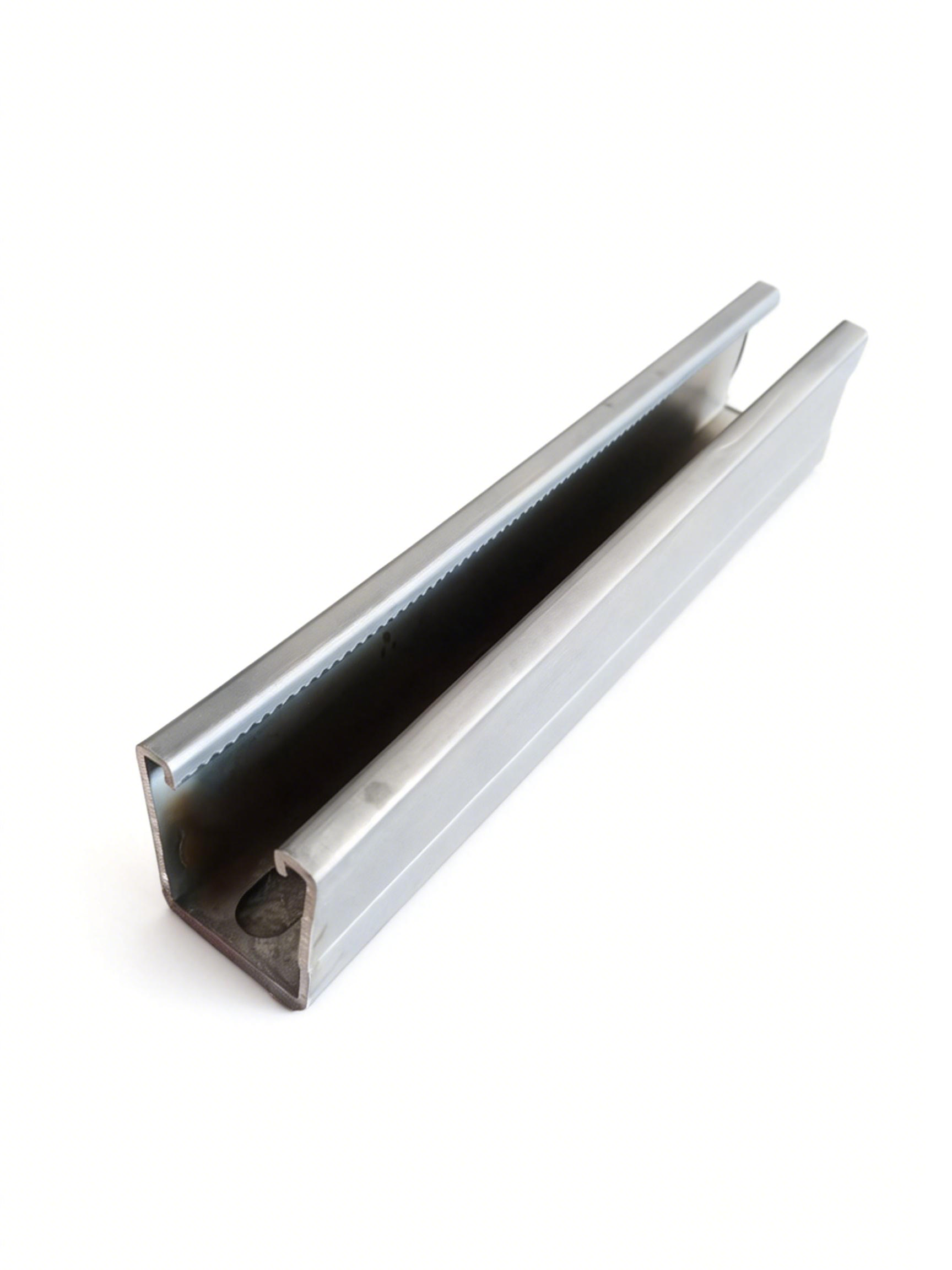
Chinese steel manufacturers are pioneering advanced production techniques to support the burgeoning solar power industry, leveraging high-strength, corrosion-resistant alloys tailored for photovoltaic panel mounting systems and structural components. By integrating smart manufacturing technologies like AI-driven quality control and IoT-enabled supply chains, they enhance precision and durability while reducing material waste. This shift not only meets global demand for sustainable infrastructure but also positions China as a key player in renewable energy supply chains, fostering a symbiotic relationship between heavy industry and green technology advancements.
In recent years, the focus has shifted towards developing ultra-lightweight steel with superior thermal properties, enabling more efficient heat dissipation in solar arrays and extending their operational lifespan. Collaborative research between steel giants and academic institutions has yielded breakthroughs in recyclable steel grades, aligning with circular economy principles and minimizing environmental impact. These innovations are being deployed in large-scale solar farms across Asia and beyond, demonstrating how traditional sectors can adapt and thrive in a low-carbon future, often outpacing competitors with faster adoption of cutting-edge metallurgical processes.
Beyond material science, Chinese firms are redefining steel applications through modular designs that simplify installation and maintenance of solar installations, reducing costs and boosting scalability. Government incentives and strategic partnerships have accelerated R&D in anti-corrosive coatings, which withstand harsh weather conditions in solar-rich regions, ensuring long-term reliability. As solar energy becomes more integral to global grids, these steel innovations underscore a proactive approach to industrial transformation, blending heritage craftsmanship with futuristic engineering to create resilient, eco-friendly solutions that resonate with international markets.
Sustainability Benefits of Using Q235B in Renewable Projects
In renewable energy projects, the choice of materials plays a crucial role in achieving long-term environmental goals, and Q235B steel stands out for its sustainable advantages. This common structural steel is widely used in wind turbine towers, solar panel frames, and hydroelectric plant components, thanks to its excellent balance of strength and ductility. By opting for Q235B, engineers can reduce reliance on more resource-intensive alloys, cutting down on raw material extraction and energy consumption during manufacturing. Its durability ensures that structures last decades with minimal maintenance, which means fewer replacements and less waste over time. This resilience directly supports the shift toward cleaner energy by making infrastructure more reliable and cost-effective.
Another key benefit is Q235B's recyclability, which aligns perfectly with the circular economy principles driving modern sustainability efforts. When renewable projects reach the end of their life cycle, Q235B components can be melted down and reused in new construction without losing quality, minimizing landfill waste and carbon emissions from production. This closed-loop approach not only conserves natural resources but also enhances the overall lifecycle assessment of renewable installations. For instance, in offshore wind farms where harsh conditions demand robust materials, Q235B's ability to be recycled repeatedly underscores its role in creating greener energy systems that extend beyond mere power generation.
Beyond environmental metrics, using Q235B promotes economic and social sustainability by fostering local supply chains and reducing project costs. Its availability in many regions supports regional manufacturing, cutting transportation emissions and boosting community employment. This cost-effectiveness allows renewable projects to scale up faster, accelerating the transition away from fossil fuels. Moreover, the steel's adaptability in various climates and its corrosion-resistant properties, when properly treated, ensure that renewable infrastructure remains functional with little environmental impact, making it a smart choice for projects aimed at long-term ecological balance.
Cost-Effectiveness and Quality of Chinese Q235B Steel
Chinese Q235B steel stands out in the market for its exceptional balance of affordability and performance, making it a top choice for various construction and manufacturing applications. This low-carbon steel, classified under the Chinese GB/T 700 standard, offers a yield strength of 235 MPa, which suits many structural needs without excessive cost. Its widespread availability in China and competitive pricing stem from efficient production processes and economies of scale, often resulting in lower prices compared to similar grades from other regions. This cost advantage doesn't compromise reliability, as Q235B is commonly used in building frameworks, machinery parts, and general fabrication where moderate strength and good weldability are prioritized.
The quality of Chinese Q235B steel is rigorously tested to meet strict industry standards, ensuring it delivers consistent mechanical properties like tensile strength and elongation. Manufacturers typically adhere to quality control protocols that include chemical composition checks and mechanical testing, which helps prevent defects and maintain uniformity across batches. Unlike some generic alternatives, Q235B's specific carbon content (around 0.12-0.20%) and manganese levels contribute to its durability and resistance to corrosion in mild environments, enhancing its lifespan in projects. Real-world feedback from engineers and builders often highlights its predictability in performance, reducing the risk of unexpected failures and lowering long-term maintenance costs.
When comparing Q235B to other steel grades, its cost-effectiveness shines through in applications that don't require ultra-high strength or specialized alloys. For instance, in infrastructure projects like bridges or industrial equipment, choosing Q235B can lead to significant savings without sacrificing safety, as it meets basic structural demands effectively. The steel's versatility also allows for easy processing, such as cutting, bending, and welding, which further cuts down on labor and material expenses. By focusing on this practical balance, Chinese Q235B steel continues to be a go-to material globally, trusted for delivering solid quality at a price point that supports budget-conscious yet quality-driven projects.
Enhancing Solar Panel Durability with Q235B Materials
To boost solar panel durability, Q235B materials offer a reliable and cost-effective solution. This low-carbon structural steel, with its high strength and good weldability, provides a robust framework that withstands harsh environmental conditions like heavy winds, snow loads, and corrosion. By incorporating Q235B into mounting systems and support structures, panels maintain stability over decades, reducing maintenance needs and extending operational lifespans, which is crucial for maximizing long-term energy yields and investment returns.
Beyond mechanical resilience, Q235B's versatility allows for innovative designs that enhance durability in diverse settings. Its corrosion resistance, often improved through galvanization or coatings, ensures it performs well in coastal or industrial areas prone to rust. This adaptability makes it ideal for custom installations, from residential rooftops to large-scale solar farms, where panels must endure varying climates and physical stresses without compromising efficiency, offering a practical edge over more brittle or costly alternatives.
In practice, using Q235B materials can lead to significant durability gains by minimizing structural failures and material degradation. For instance, its fatigue resistance helps prevent cracks under repetitive thermal cycling, a common issue in solar applications. By choosing Q235B, manufacturers and installers can deliver panels that not only meet but exceed industry standards for longevity, supporting sustainable energy goals with durable, low-maintenance infrastructure that stands the test of time.
Future Prospects: Q235B Steel's Role in Global Solar Expansion
Q235B steel, a versatile and cost-effective carbon steel widely used in construction, is poised to play a critical role in the ongoing global expansion of solar energy. As countries ramp up their solar installations to meet clean energy targets, the demand for robust and economical structural materials is skyrocketing. Q235B's excellent strength-to-weight ratio and favorable mechanical properties make it an ideal candidate for mounting systems, support frames, and foundational components in utility-scale solar farms. Its adaptability allows for efficient customization to suit diverse terrains and weather conditions, ensuring long-term durability against environmental stresses common in solar projects.
Looking ahead, the scalability of Q235B steel production offers a strategic advantage in supporting the rapid deployment of solar infrastructure worldwide. With manufacturing processes that are both established and environmentally improving, such as increased use of recycled content, Q235B can help reduce the overall carbon footprint of solar systems. Innovations in protective coatings and treatments are further enhancing its corrosion resistance, extending the lifespan of solar installations in coastal or humid regions. This combination of reliability and ongoing refinement positions Q235B as a backbone material, not just a temporary solution, as solar power transitions from a niche to a mainstream energy source.
Beyond technical merits, the economic accessibility of Q235B steel democratizes solar expansion, enabling developing nations to participate more fully in the renewable energy shift. Its availability through global supply chains ensures consistent quality and cost predictability, which are crucial for large-scale investments. As solar technology evolves toward bifacial panels and floating systems, Q235B's flexibility will be key in designing innovative structures that maximize energy capture. By integrating this steel into smart grid frameworks and modular designs, the industry can accelerate project timelines and reduce logistical bottlenecks, solidifying Q235B's enduring relevance in a solar-powered future.
FAQ
Q235B solar steel is a carbon structural steel grade specifically designed for solar energy infrastructure. It's commonly used in mounting systems for solar panels, providing the structural support needed to withstand environmental conditions while maximizing energy capture.
Chinese manufacturing leverages advanced production techniques and economies of scale to produce high-quality Q235B steel at competitive prices. This reduces costs for solar projects globally, making renewable energy more accessible without compromising durability.
Q235B steel offers excellent tensile strength, good weldability, and corrosion resistance, which are crucial for outdoor solar installations. These properties ensure long-term reliability in varying climates, from harsh winters to hot summers.
Yes, manufacturers often tailor Q235B steel components, such as brackets and frames, to fit unique project layouts or load specifications. Customization helps optimize installation efficiency and adapt to different terrains.
By supporting solar panel installations, Q235B steel helps reduce reliance on fossil fuels, lowering greenhouse gas emissions. Additionally, steel is recyclable, aligning with sustainable practices in renewable energy projects.
Q235B steel generally offers higher strength and cost-effectiveness than aluminum, though it may require additional coatings for corrosion protection. Its robustness makes it ideal for large-scale solar farms where durability is prioritized.
Recent advancements include improved alloy formulations and precision fabrication methods, resulting in lighter yet stronger steel components. These innovations boost installation speed and reduce material waste in solar projects.
Potential challenges include weight considerations, which may affect transportation and installation logistics, and the need for proper anti-corrosion treatments in humid or coastal areas to ensure longevity.
Conclusion
Q235B steel, emerging as a cornerstone material in the solar sector, offers distinct advantages that enhance solar applications. Its inherent properties, such as excellent strength, ductility, and weldability, ensure reliable performance in solar mounting systems and structural supports. By leveraging these characteristics, solar panels achieve improved durability, reducing maintenance needs and extending their operational lifespan in diverse environmental conditions. This material’s robustness translates into enhanced efficiency and longevity for renewable projects, making it a practical choice for developers seeking resilient and dependable solutions.
Chinese manufacturing excellence drives the innovation behind Q235B steel, positioning it as a cost-effective and high-quality option for the solar industry. Advancements in production processes have optimized its sustainability, lowering environmental impacts compared to alternatives, while maintaining affordability for global solar expansion. As the renewable energy sector evolves, Q235B steel plays a pivotal role in supporting scalable and efficient solar infrastructure. Its continued integration promises to boost renewable energy ambitions worldwide, solidifying China’s contribution to a greener future through manufacturing prowess and material innovation.
Contact Us
Contact Person: Simon
Email: [email protected]
Tel/WhatsApp: 8613672181100
Website: https://energetsolar.com/