

Riding Jacket Vendor Guide: Find Quality Gear for Your Next Ride
2026-06-12
As you gear up for your next adventure, the right riding jacket isn't just about style—it’s your shield against wind, chill, and unexpected weather. But with so many vendors flooding the market, how do you separate trustworthy quality from clever marketing? This guide cuts through the noise, spotlighting what truly matters in a performance jacket and introducing OpeEquestrian, a brand quietly redefining standards for riders who refuse to compromise.
Beyond the Leather: Modern Materials That Work Harder
Leather has long been the gold standard for durability and style, but today’s advanced synthetics are stepping up to outperform it in demanding conditions. Materials like microfiber and thermoplastic polyurethane offer superior abrasion resistance, water repellency, and tensile strength without the weight or maintenance hassles of genuine hide. They can be engineered at the molecular level to excel where leather simply can’t—whether that’s enduring saltwater exposure, extreme UV radiation, or the constant friction of daily commutes.
Beyond mere toughness, modern alternatives bring functional enhancements that genuine leather can’t match. Embedded antimicrobial agents prevent odor in active gear, while phase-change materials regulate temperature for all-day comfort. Some even integrate conductive fibers, turning a jacket sleeve into a touchscreen-compatible surface. This marriage of durability and intelligent design creates gear that adapts to your lifestyle, not the other way around.
Sustainability is another frontier where these materials pull ahead. Plant-based synthetics derived from pineapple leaves, apple peels, or mycelium slash reliance on livestock and chemical tanning. They biodegrade more readily or are infinitely recyclable, aligning with a circular economy. By delivering higher performance with a smaller environmental footprint, these materials aren’t just working harder for you—they’re working smarter for the planet.
The Perfect Fit Isn't Just About Size
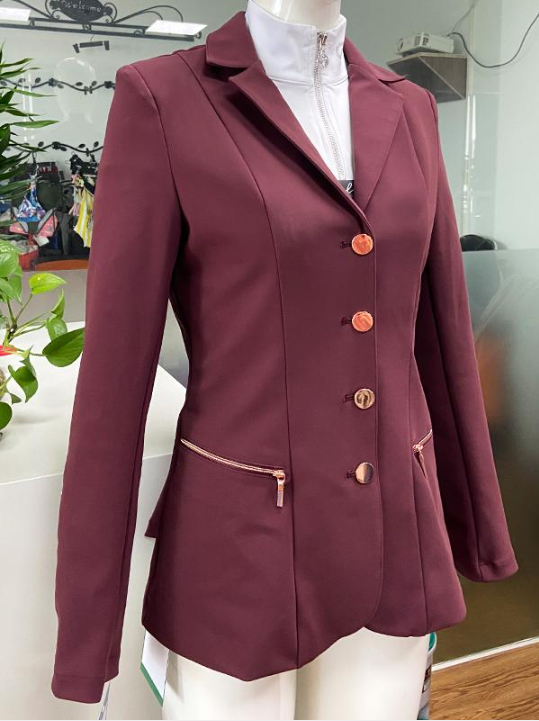
Finding a piece that truly fits goes beyond the numbers on a tag. It’s about how the fabric sits on your shoulders, how the sleeves move when you reach for something, or the way the waistband feels after you’ve been sitting for a while. A “perfect” size on paper can still leave you adjusting, tugging, or second-guessing. The real test happens in motion, not standing still in front of a mirror.
Your shape, posture, and even the way you carry yourself can transform how a garment looks and feels. Something off the rack in your usual size might pull across the back or gap at the curves, and that’s not a flaw in your body—it’s a limitation of a generic cut. When you start noticing how clothes interact with your daily life, you prioritize freedom over a tight or loose label. A well-fitted item won’t just measure right; it will let you forget you’re wearing it.
Style confidence often comes down to this overlooked balance. You might have the correct size, but the drape is stiff, the proportions awkward, the details hitting at odd points. Once you experience a garment that respects your movement and personal rhythm, you realize fit is a conversation between the clothing and your body—not a static measurement. It’s the difference between wearing an outfit and being carried by it.
Safety That Doesn't Scream 'Motorcycle'
Riding gear used to be a glaring billboard for your hobby, but that's changing fast. Today's protective apparel borrows its aesthetics from everyday fashion—think tailored jackets with subtle armor pockets, or denim that hides abrasion-resistant fibers without the sheen. You can walk into a café without announcing you just dismounted, yet still walk away from a slide with your skin intact. The trick lies in materials like Dyneema and Kevlar woven invisibly into cotton, with vents you can’t see until you need them. It’s protection designed for the real world, where life doesn’t stop at the curb.
Then there are the gadgets that work behind the scenes, leaving no logo on your helmet. An airbag vest can tuck under any jacket, lying flat until a crash triggers it in milliseconds. Smart lights increase your presence without dangling extra hardware—some are integrated into gloves or the back of your helmet, pulsing gently as you brake. Even communication systems are shrinking to the point of invisibility, turning your own helmet into a quiet safety net that never gets in the way.
Ultimately, safety that blends in isn't about hiding who you are; it's about letting the ride take center stage. When gear doesn't shout for attention, you're free to focus on the road, the scenery, and the sheer joy of movement. Layer by layer, the industry is proving that the best protection is the kind you forget you're wearing—until the moment you're grateful for it.
Rain, Shine, or Gusts: All-Weather Allies
Stepping outside when the sky turns moody often feels like a gamble. One moment the sun bakes the pavement, the next a sneaky drizzle works its way down your collar, or a gust whips up out of nowhere. The quiet heroes in those moments aren't grand gestures—they're the gear you barely notice because it simply does its job. A waxed jacket that sheds rain without turning into a sauna, boots that grip slick pavement yet breathe when the clouds break, a windproof layer that folds to nothing until you need it. These aren't flashy gadgets; they're the pieces you reach for again and again, the ones that earn their shelf space by never letting you down.
Good all-weather design hides in plain sight. It's the vent under the arm of a rain shell, the cuff that seals without pinching, the hem that stays put when a sudden squall tries to flip your hood into your eyes. In pouring rain, a well-built seam takes the beating while you stay dry and focused. Under harsh midday sun, a lightweight fabric can shield you without weighing you down or trapping heat. And when the wind howls, a softshell or a cleverly cut outer layer keeps the chill from biting, yet you hardly notice it's there. These allies don't shout about their specs—they just vanish into the rhythm of your day, making weather an afterthought.
Over time, you stop checking forecasts obsessively. You glance at the window, grab the same trusted jacket or bag, and head out. That worn-in familiarity is what turns a piece of kit into a real companion. It's the mud-splattered trousers still holding strong, the zip that never jams, the hood that still shapes itself to your head after dozens of storms. When you find something that works in rain, shine, or gusts without complaint, you don't just own it—you rely on it like an old friend who always shows up. And that kind of quiet dependability is worth more than any spec sheet could ever claim.
Hidden Features You’ll Wish You’d Known Sooner
For years I’d open the calculator app, type a long number, then hit the C button in frustration when I made a mistake—starting from scratch every time. One day, completely by accident, I swiped left on the display and watched a single digit vanish. It turns out you can delete individual numbers with a quick swipe instead of clearing everything. That tiny shift has saved me more time than I want to admit.
Another trick I stumbled on involves the humble text cursor. On most smartphones, holding the spacebar lets you slide your thumb to place the cursor exactly where you need it, instead of jabbing at the screen and hoping for the best. I used to curse at tiny misspellings, but now it feels like a superpower every time I fix them without breaking a sweat.
Then there’s the search bar in my browser. It doesn’t just handle URLs—type a quick math problem, a unit conversion, or even “timer 5 minutes” and it gives you the answer right there without loading another page. I’d wasted so many clicks opening separate tools before discovering that one. These small discoveries somehow stay hidden until you literally stumble onto them, and they change the way you use your device every single day.
Vendor Red Flags: Spotting Subpar Gear Before You Buy
When a deal seems too good to be true, it usually is. Vendors slashing prices far below market norms might be cutting corners on materials or skipping essential quality checks. Compare costs across multiple sellers, but don't let a low price tag blind you to obvious construction flaws like loose stitching or flimsy zippers.
Vague marketing jargon is another major red flag. If a product description leans heavily on buzzwords like “military-grade” without backing them with concrete specs or testing data, it's often a smoke screen. Reliable gear gets specific about denier ratings, waterproofing levels, or tensile strength, so always dig for hard numbers instead of empty adjectives.
Finally, pay close attention to the return policy. A vendor who truly stands behind their work will offer a no-hassle warranty or a generous trial period. If they make it difficult to send something back, they might be expecting you to discover the defects after the window has closed.
FAQ
Start with their focus—vendors dedicated solely to motorcycle gear often have deeper expertise. Check if they stock reputable brands and offer detailed product descriptions, not just marketing fluff. Look for transparency about materials, safety ratings, and warranty policies. A good sign is when they openly discuss fitment nuances and encourage trying gear on or have easy returns.
Touch and feel matter, but since online shopping is common, inspect spec sheets. Look for jackets with genuine Cordura, Kevlar, or high-denier nylon rather than generic 'abrasion-resistant fabric'. Zippers should be from brands like YKK, and armor should be CE-rated, not just foam pads. Stitching on stress points should be double or triple, never single, and labels should clearly state textile origins.
Rather than vendor certifications, look for what they carry—jackets with CE approval (Level 1 or 2 armor) and EN 17092 ratings (like AAA, AA). If a vendor consistently sells gear meeting these standards and can explain them, they’re likely trustworthy. Also, membership in trade groups like the Motorcycle Industry Council can be a subtle green flag.
Specialty vendors offer curated stock vetted for real-world riding, not just fashion. Their staff often ride and can point out details like ventilation quirks, waterproofing longevity, or layering compatibility. You’re less likely to end up with a jacket that looks protective but falls apart in a slide. Returns and exchanges also tend to be smoother because they understand sizing across brands.
Search for brands that work with made-to-measure services—some smaller vendors partner directly with workshops. Look for pages about 'bespoke leathers' or 'custom alterations'. Online forums and rider groups often share experiences. If a vendor asks for detailed measurements beyond chest and sleeve length, it’s a clue they’re serious about fit.
Stick to authorized dealers listed on official brand websites. Unrealistically low prices on new gear are the biggest warning sign. Examine product photos for blurry logos or missing safety labels. Check reviews outside the vendor’s site and see if they have a physical address. Authentic gear often comes with tags, hologram stickers, or QR codes you can verify with the manufacturer.
A solid textile jacket with good armor usually starts around $250-$400. Leather jackets from reputable brands can range from $400 to over $1,000. If you’re seeing 'premium' jackets under $150, question the protection. Seasonal sales and last-year models are where you’ll find legitimate bargains without sacrificing safety.
Conclusion
Finding a riding jacket that truly delivers means looking past the classic leather stereotype. While leather has its place, modern textiles like reinforced Cordura, SuperFabric, and laminated membranes often outperform it in abrasion resistance, breathability, and weight savings. These materials work harder, offering flexibility without sacrificing protection. But a jacket is only as good as its fit—and size tags can be misleading. A proper riding fit accounts for posture on the bike, armored zones aligning with your body, and enough room for movement without loose flapping. The best jackets also integrate armor so seamlessly that you'd never guess they're packed with CE-rated back, shoulder, and elbow protectors. This subtle safety means you can walk into a café without looking like you’ve just stepped off a track, yet still have serious impact coverage.
Weather adaptability often makes or breaks a ride. Look for jackets with removable thermal liners, waterproof yet breathable membranes like Gore-Tex, and venting systems that prevent you from overheating when the sun breaks through. Smart touches, such as storm flaps, magnetic collar closures, and pockets designed for emergency info or hydration, are the hidden features that separate great gear from the forgettable. When choosing a vendor, pay attention to red flags: vague material descriptions, missing safety certifications, and sizing charts that lack detailed measurements. A trustworthy seller will provide transparent specs, real-world fit guidance, and clear return policies—signs that they stand behind their product. By focusing on these details, you’ll end up with a jacket that meets your riding demands without compromise.
Contact Us
Contact Person: Keven Tong
Email: [email protected]
Tel/WhatsApp: +86 18666477707
Website: https://www.ope-technology.com