

TECO Gearmotor Vendor: Essential Tips for Finding the Right Supplier
2026-10-26
Sourcing a TECO gearmotor without a solid vendor plan is like ordering precision parts blindfolded. One wrong move and you're dealing with downtime, mismatched specs, or inflated costs. The right supplier changes that equation entirely. That's where Soochee comes in—read on for the essential tips that separate dependable TECO vendors from costly detours.
Map Out Load, Speed, and Duty Cycle Before Contacting a Vendor
Talking to a vendor without knowing your real operating profile is like asking for directions without a destination. Before you pick up the phone, sketch out the load torque and inertia your application will see, the peak and continuous speeds you need, and how often the system will start, stop, or reverse. This isn't just a datasheet checkbox—it's the difference between a motor that runs hot and quits in six months, and one that quietly outlasts the machine it's bolted to.
Duty cycle, in particular, gets glossed over until it bites. A conveyor that inches forward for five seconds every minute has a very different thermal story than a spindle holding 12,000 RPM for three shifts. Map it out in plain language: how long is each move, how long is the pause, and do you ever jam the cycle tighter in peak season? Vendors can work with a rough sketch on a napkin, but they can't work with a shrug.
Once you have those three numbers—load, speed, and duty—write them down and keep them consistent across every conversation. You'll stop getting generic quotes and start getting real engineering feedback: 'your load inertia is high for that frame size, let's swap the gearhead' or 'at 30% duty you can drop a frame size and still sleep fine.' That kind of dialogue only happens when you bring the map, not just the destination.
Confirm the Supplier Has Direct TECO Factory Authorization
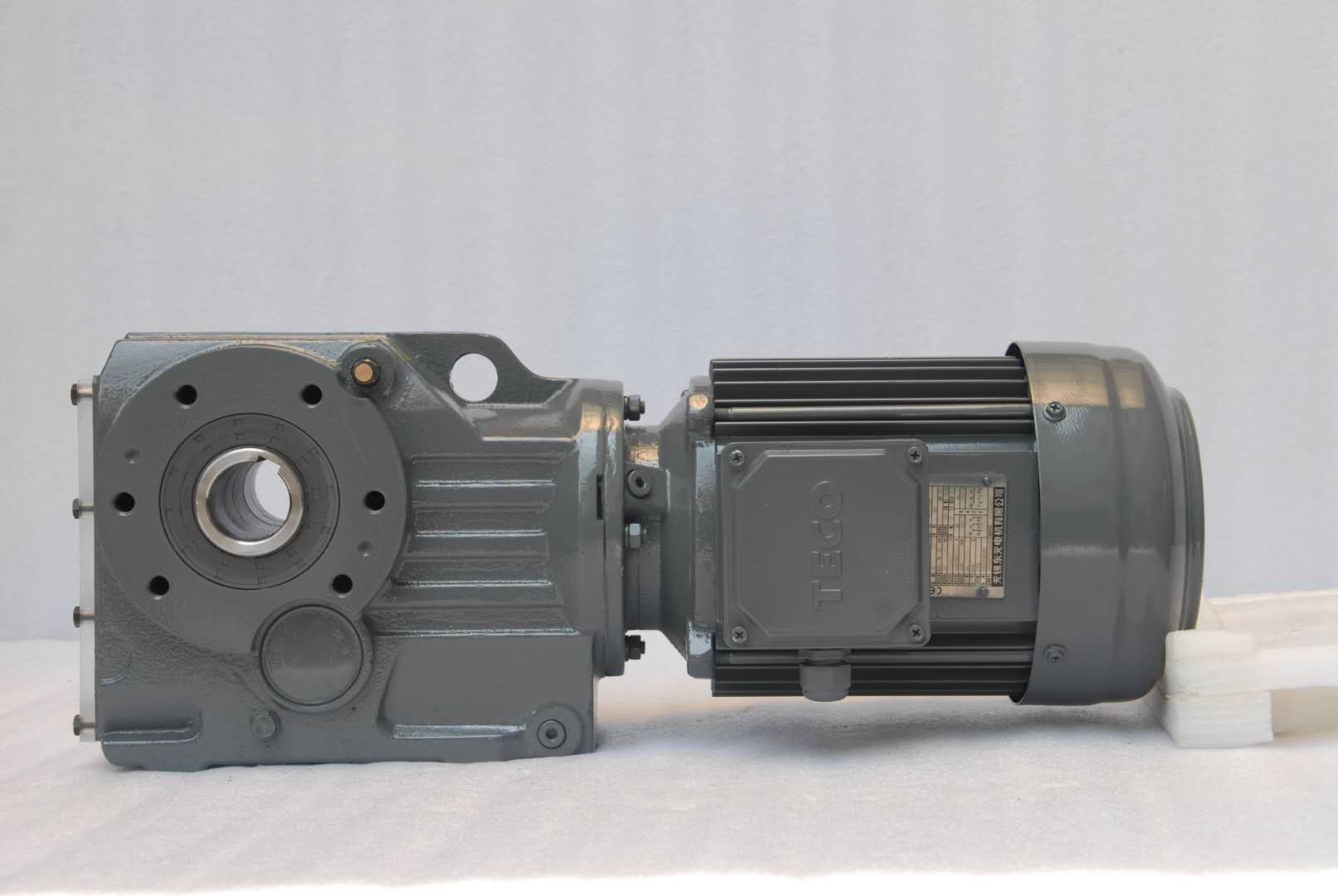
Verifying that a supplier holds direct authorization from the TECO factory is more than a checkbox—it's the foundation of product authenticity and warranty validity. Too many middlemen claim access without genuine credentials, leaving buyers exposed to counterfeit components or voided service agreements. A direct authorization means the supplier has an established, transparent relationship with the manufacturer, often documented through formal letters, certified partner listings, or a verifiable account in TECO's official distributor portal.
The best way to confirm this is not by asking the supplier alone, but by cross-checking with TECO's regional offices or official inquiry channels. Request the supplier's authorization code and verify it directly—reputable partners will never hesitate to share this. Pay attention to the scope as well: some authorizations are limited to specific product lines or geographic regions, which affects support and lead times. A genuine direct authorization typically comes with faster access to technical support, factory-trained service, and priority allocation during supply shortages.
Finally, consider the long-term value of this confirmation. A supplier with direct factory authorization can often escalate issues more efficiently, pull replacement parts without third-party delays, and provide up-to-date firmware or calibration services straight from the source. Don't settle for a reseller who simply claims familiarity with TECO products—insist on visible, verifiable proof. This one step can save you from costly downtime and protect your investment far beyond the initial purchase.
Look Beyond Price to Inventory Depth and Replacement Speed
When buyers obsess over the lowest bid, they often overlook what keeps production lines moving: the ability to pull from deep, readily available stock. A supplier quoting a few cents less but holding only a thin buffer creates hidden risks—every minor demand spike turns into a scramble, and every delayed shipment eats into your own delivery promises. Inventory depth is the quiet insurance policy that says, “We can cover your ups and downs without drama,” and that reliability carries a cost no line item can capture.
Replacement speed matters just as much once the initial order ships. Fast-moving operations rarely consume inventory at a perfectly predictable rate, so a vendor's capacity to resupply within days rather than weeks directly shapes your ability to respond to customers. Two suppliers can offer identical unit prices, yet the one who restocks your shelf from a regional hub in 48 hours saves you from pulling resources away from core work to chase parts. That operational cushion is where real value hides—not in the invoice total, but in the hours you never have to spend firefighting.
Shifting the conversation from pure price to inventory depth and replacement cadence also changes supplier behavior. When you ask about stock rotation, fulfillment lead times from nearest warehouses, and historical fill rates, you signal that you buy outcomes, not just products. Suppliers who invest in robust inventory systems and rapid replenishment networks are typically the same ones who catch quality issues early and communicate proactively. The result is a relationship that bends less under pressure—and that resilience is worth far more than the difference between two quotes on a spreadsheet.
Ask Pointed Questions About Gearbox Lubrication and Thermal Limits
What happens when the oil film collapses under sustained load? Gearbox lubrication rarely fails all at once; it degrades in ways that hide behind normal operating temperatures. Ask your maintenance team whether the oil viscosity still matches the actual contact pressures, or if they are simply topping off with whatever drum is closest. Pointed questions reveal whether the lubrication strategy is proactive or just reactive to alarms.
Thermal limits are often treated as a single red line on a dashboard, but the real question is how fast the gearbox approaches that line. A unit that creeps to 85°C over eight hours is not the same as one that spikes there in twenty minutes after a load change. Push for the time-at-temperature data, the distribution, not just the peak. That tells you whether the cooling path is barely adequate or whether there is a sudden mechanical fault building.
Does the lubricant's additive package still have reserve alkalinity, or has it been consumed by oxidation and moisture? Ask about the last oil analysis report, not just the color or smell. If no one can answer what the acid number and particle count were, you have found the weak point. Gearboxes speak through their lubricant and their heat; the right questions force the answers to surface before a bearing seizes.
Request Case Studies From Similar Torque and Ambient Conditions
Rather than accepting a supplier's generic performance claims, ask for case studies that document installations with torque ranges and ambient conditions close to yours. A motor or gearbox that performed well in a clean, climate-controlled facility may behave very differently when exposed to the same torque but higher humidity, fine dust, or wide temperature swings. Request operating logs that show how the equipment handled peak torque events, prolonged low-speed operation, and thermal cycling over at least one full season.
Pay attention to whether the case study includes the actual duty cycle and environmental measurements, not just a short summary of satisfied customers. Look for details such as maximum ambient temperature during load, presence of airborne contaminants, vibration levels at the mounting point, and any deviations from the recommended maintenance schedule. A credible case study will mention both routine performance and any failures or adjustments that were needed during the first year of operation.
When making the request, be specific about your own operating envelope: list the continuous torque, peak torque, expected temperature range, humidity, and any unusual ambient factors like salt spray or washdown requirements. Then ask for at least two references where those parameters overlap, and if possible, request a brief call with the maintenance lead rather than accepting a polished sales narrative. The goal is to see how the equipment actually behaves under conditions that resemble yours, not under ideal test-bench settings.
Check How the Vendor Handles Field Failures and Warranty Claims
When a component fails in the field, the vendor's response tells you more than any datasheet. You want to know whether they treat a warranty claim as a nuisance or as a chance to prove themselves. Ask for specific examples of recent field failures, how they were diagnosed, and how long the customer waited for a resolution. A vendor who hesitates to share these details or hides behind "proprietary processes" is likely to leave you stranded when your own equipment goes down.
Look beyond the stated warranty period. What actually happens on day one after the warranty expires? Some vendors will still cover borderline cases if you've been a good customer; others will fight every claim. Find out who makes the final call—does the support engineer have authority to ship a replacement, or does every decision go through layers of legal review? The speed of that decision matters when a production line is stopped.
Also pay attention to how they handle root cause analysis. A good vendor will walk you through what failed, why it failed, and what they've changed to prevent it from happening again. If they just send a new part and close the ticket, you're buying the same problem twice. Ask about their field failure rate and how they track it over time—numbers they're willing to share openly are a sign of confidence, not weakness.
FAQ
A dependable vendor usually has factory-trained staff who can confirm torque ratings, mounting options, and gear ratios before you order. They will also ask about your application—ambient temperature, duty cycle, starting frequency—instead of just taking the part number and processing payment. Look for direct access to TECO technical documentation and the ability to cross-reference older or discontinued models.
Ask for the original TECO certificate of origin, a serial number that matches the nameplate, and a copy of the vendor's purchase records from TECO or an authorized distributor. If a supplier hesitates to share any of these, treat it as a red flag. Genuine vendors also provide the standard factory test report and warranty registration details at no extra charge.
Stocked models often ship within a few days, but custom gear ratios, brakes, or special shaft configurations can add two to eight weeks depending on factory scheduling. A good vendor gives you a written lead-time confirmation and updates you if the schedule slips, rather than making you chase them for status.
In most cases, yes. A vendor who keeps common TECO gearmotor models in a regional warehouse can replace a failed unit fast, which reduces downtime costs far beyond the price difference. Local inventory also means you can inspect the unit before accepting delivery and avoid cross-border shipping delays.
Support should include help with installation alignment, troubleshooting vibration or overheating, and access to factory repair or replacement procedures. A solid vendor will also maintain service records for your purchases and remind you about spare parts like oil seals, bearings, and brake linings before they fail.
Compare total lifecycle cost, not just the invoice. Ask vendors to quote the same exact model, ratio, mounting position, and insulation class so you are comparing like for like. Then discuss volume discounts, blanket orders, or annual maintenance kits instead of asking for a cheaper substitute that may not match the torque curve.
TECO typically covers manufacturing defects for 12 to 18 months from shipment or 12 months from startup, whichever comes first, but a vendor may extend that on certain lines. The warranty should cover parts and labor for repairs at an authorized service center, not just replacement of the failed piece. Get the terms in writing and ask specifically what voids coverage, such as running without a phase monitor or exceeding the service factor.
Conclusion
Finding a TECO gearmotor vendor who actually understands your application means doing some homework before the first call. You need to know your load profile, operating speed, and duty cycle well enough to describe them without hesitating—because a supplier who doesn't ask about starting torque or frequent reversals probably won't match the right gearbox. Then verify the vendor carries direct TECO factory authorization, not just a reseller relationship. That distinction affects how quickly you get technical support, firmware updates if applicable, and genuine replacement parts. You also want a partner whose warehouse reflects real depth in the horsepower and ratio ranges you use. A low unit price means little if the gearmotor you need sits on backorder for six weeks while your line is down.
Beyond the quote, push the vendor on lubrication intervals and thermal limits under your worst-case ambient conditions. A supplier who gives vague answers about oil viscosity or allowable temperature rise hasn't dealt with many installations where heat is the real killer. Ask for case studies from projects with similar torque requirements and environmental stress—dust, washdown, altitude, or cold starts. Those examples reveal whether the vendor has field-tested judgment rather than catalog knowledge. Finally, test how they handle warranty claims and field failures. Do they ship a loaner while diagnosing the root cause, or do they hide behind paperwork? The right TECO gearmotor supplier treats a failure as a shared problem to solve, not a billing dispute.
Contact Us
Contact Person: Jenny Jaa
Email: [email protected]
Tel/WhatsApp: 0086 152 9510 6006
Website: https://www.china-motor-supplier.com