

Tissue Folding Machine Supplier Selection Tips for Manufacturers
2026-10-09
Selecting a tissue folding machine supplier is rarely as simple as comparing quotes. The wrong choice can quietly eat into uptime, fold quality, and maintenance budgets. This guide walks through practical tips manufacturers can use to evaluate suppliers beyond glossy brochures. Whether you are replacing an aging line or expanding capacity, a supplier like DAXIN shows what to look for in build consistency and responsive support.
Look Beyond the Machine Spec Sheet
Raw numbers rarely tell the whole story. A machine's spec sheet might list impressive horsepower or throughput, but those figures don't capture how it feels to operate, the subtle vibrations at idle, or the confidence you get from a well-damped control lever.
Think about the materials you actually touch. Cast aluminum versus stamped steel, the radius on a corner, the way a cover snaps into place with a satisfying click—these details never appear in a data table, yet they shape daily reliability and your willingness to use the equipment.
Next time you compare options, spend ten minutes with the machine in person. Run it through a cycle, open and close the access panels, listen to the cooling fan ramp up. That hands-on impression will tell you more than any PDF ever could.
Get Hands-On with the Folding Accuracy
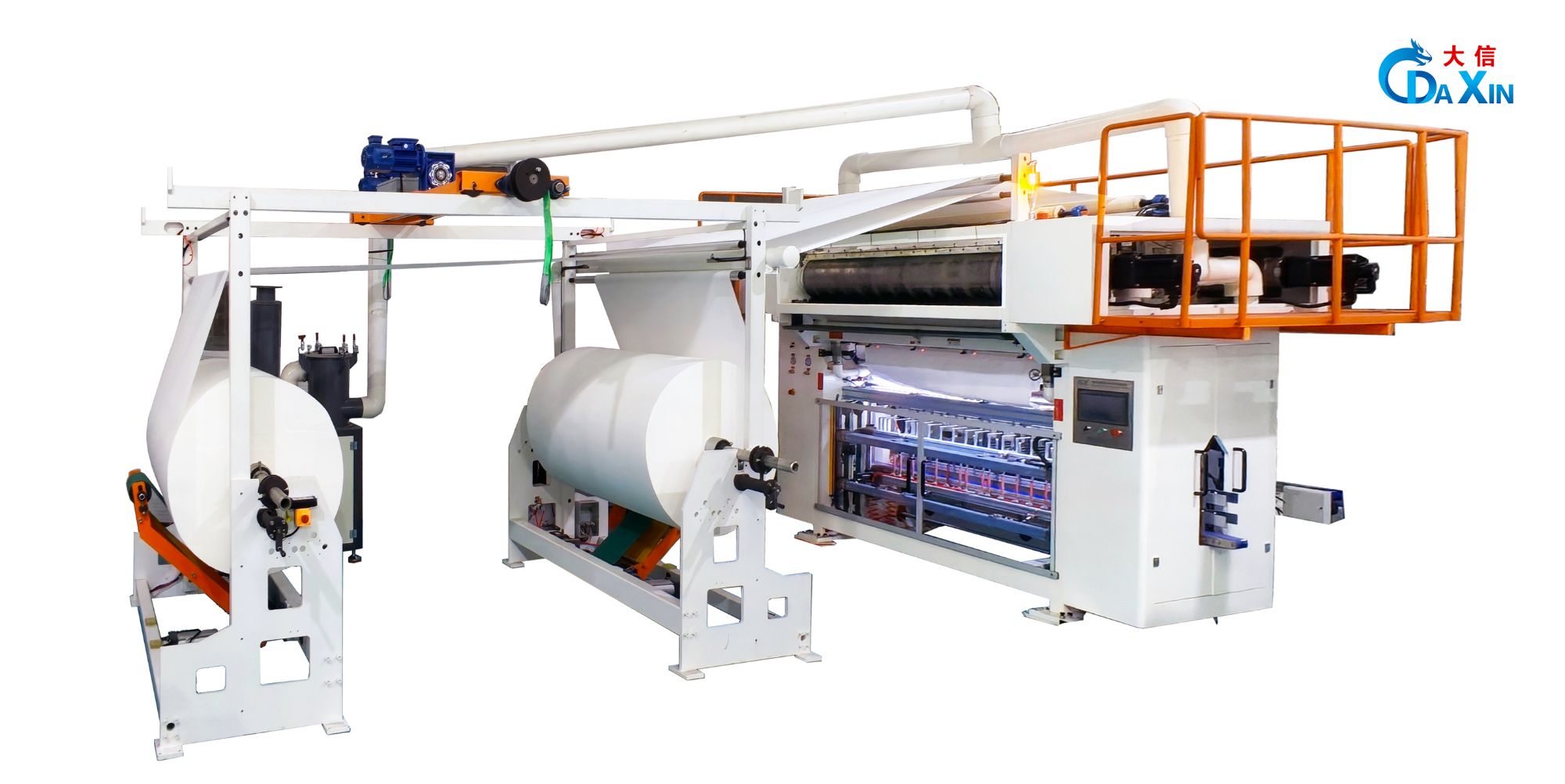
Running your thumb along the crease of a freshly unfolded device tells you more than any spec sheet. The hinge should move with a consistent, almost hydraulic resistance—no loose wobble at the halfway point, no sudden snap near the end. When both halves lock flat, you can feel the alignment in your fingers: edges that line up perfectly, a seam that vanishes under light pressure. That kind of tactile precision is what separates a well-engineered fold from a gimmick.
But accuracy isn’t just about the first day. Fold and unfold it a dozen times in a row and small differences appear. Does the angle hold steady when you stop midway? Does the display ripple near the spine under a slow close? These are the details you only catch when you stop reading about tolerances and start working the mechanism yourself. A truly precise fold should feel boring in the best way—identical every single time.
Ask for Unfiltered References from Similar Lines
Most hiring managers settle for polished references that repeat the same safe phrases. If you want the real picture, ask the candidate to connect you with someone from a comparable role or industry who has seen their work up close—not just a former boss, but a peer or a direct report from a parallel line of work. That person will speak about deadlines, judgment calls, and how the candidate actually handled friction.
Frame the request without making it feel like an interrogation. Say something like, “Could you put me in touch with someone who worked alongside you in a similar capacity? I’d rather hear the unvarnished version than the standard list.” Then ask the reference open questions about patterns they noticed, not just accomplishments. You’ll learn more from a hesitant pause than from a rehearsed answer.
When you gather references from adjacent roles or similar lines of work, you also spot transferable skills that a title alone won’t reveal. A candidate moving from operations to project management, for instance, may have quietly built consensus in ways a former supervisor never observed. The unfiltered voice of someone who shared the trenches gives you precisely that layer of truth.
Test Their After-Sales Response Before You Buy
Before you hand over any money, send a quick pre-sale question through their contact form or live chat. Ask something specific, like whether the product works with your existing setup or what the warranty repair process actually looks like. Marketing pages always sound polished, but the reply you get now is a preview of the support you’ll get after checkout. Watch how long it takes, whether they answer the real question, and whether they leave you with a clear next step. A canned reply that ignores half your message is a pretty honest signal.
If they list a phone number, call it. Pick a quieter hour and see if a real person picks up or if you’re trapped in a menu loop. Ask about a hypothetical problem—maybe a missing part or a return label. You’re not trying to waste their time; you’re checking how they handle pressure once the sale is already done. A quick, human answer usually means the process holds up. Silence or script-reading often means you’ll be fighting for help later. Most buyers skip this test until the exact moment they need support.
Understand How They Handle Custom Fold Patterns
Watching how a shop tackles a tricky fold is like reading their philosophy on problem solving. Some places will take your pattern, trace it, and then start moving seam lines or adding notches without asking — which sounds helpful, but often changes the drape or how the garment sits on the body. A better sign is when they actually test a fold on scrap fabric first, sometimes using a small paper mock-up, before touching your final material. That tells you they respect the original design enough to preserve its quirks rather than smoothing everything into a generic template.
Custom folds can hide all sorts of surprises: uneven pleat depths, asymmetric tucks, or layered folds that only make sense when the fabric has a certain weight. A shop that knows their craft will ask questions about which side faces out, how the fold should behave when the garment moves, and whether the crease needs to be crisp or soft. If they skip these details, you might end up with a technically correct fold that loses the soul of your original pattern.
One practical way to check their skill is to hand them a piece with an unusual fold — like a box pleat that reverses direction halfway down or a diagonal tuck that crosses a seam. Then watch whether they mark it with tailors’ chalk immediately, or start measuring and second-guessing the pattern itself. The best shops treat your custom folds as a puzzle to solve faithfully, not as an error to correct. That distinction is what separates a true pattern maker from someone who just knows how to cut and sew standard shapes.
Map the Total Cost Beyond the Initial Quote
A quote gives you the sticker price, but it rarely shows what happens after the ink dries. You can end up paying for things the sales team never mentioned: data migration, custom integrations, user training, and the hours your own team spends making the new system work with the old one. Those costs don't appear on the invoice, but they hit your budget just the same.
Then there's the steady drip of operational expenses. License renewals climb, support tiers get reclassified, and every small change request triggers an additional fee. If you're not tracking these from day one, you won't notice the real cost until it's already become the new normal. A tool that looked affordable at signing can quietly double in cost over eighteen months.
Instead of relying on the vendor's number, map your own total cost across the first two years. Include not just the obvious line items but also internal time, downtime during rollouts, and the price of walking away later. Once you have that full picture, you can negotiate with leverage or walk away before the hidden costs lock you in.
FAQ
Look beyond glossy brochures. A dependable supplier will openly share detailed spec sheets, have a track record with similar tissue converters, and be willing to put you in touch with current customers. If they hesitate on references or technical details, that's a signal to dig deeper.
After-sales support often matters more than the initial price tag. Tissue folding machines run long shifts, so even minor downtime hurts. Ask about response times, spare parts availability in your region, remote diagnostics, and whether technicians can come on-site quickly. A supplier with a local service hub can save you days of lost production.
Yes, whenever feasible. A factory visit lets you see how the machines are assembled, check quality control processes, and even run your own tissue stock on a demo unit. It also reveals whether the supplier truly manufactures the equipment or simply rebrands it, which affects long-term support.
If you run non-standard tissue sizes, special ply counts, or unique packaging formats, customization options become critical. Ask the supplier how flexible their folding plates, cutting units, and control software are. A good supplier will ask detailed questions about your product mix rather than pushing a one-size-fits-all model.
Break each quote down by total cost of ownership: energy consumption, expected maintenance intervals, changeover time, and spare parts pricing. A machine that costs 15% less upfront can easily cost more within two years if it uses more power or needs frequent blade replacements. Ask for reference sites running similar volumes to verify the numbers.
Watch for vague delivery timelines, reluctance to sign clear acceptance testing criteria, no documented training program, and quotes that omit transport, installation, or commissioning. Also be wary if they can't explain how their tension control and folding accuracy are maintained at high speed. Those details matter in production.
Yes, product-specific experience gives you faster commissioning and fewer surprises. Facial tissue lines, for instance, need delicate handling of thinner sheets, while toilet paper lines may prioritize higher throughput. A supplier who has done many facial tissue fold lines will already understand your tolerance limits and packaging quirks.
Conclusion
Choosing a tissue folding machine supplier rarely comes down to the printed specifications alone. Savvy manufacturers dig into how the equipment performs on the floor. Bring your own material samples to a demo and watch how the machine handles different ply counts, basis weights, and sheet lengths—especially at the speeds you actually run. Listen for misfolds, jams, or abrupt stops that never show up in a brochure. Ask the supplier for unfiltered references from lines producing similar tissue grades, and call those operators directly. Find out whether the supplier's technicians showed up quickly when something went wrong, or if they hid behind ticket queues. A responsive after-sales team often matters more than a marginally faster cycle time because downtime costs compound fast.
Custom fold patterns create another hidden minefield. Some vendors excel at standard C-fold or interfold work but struggle when you request unusual panel widths or mixed configurations. Before signing, request a trial run of your most complex pattern and watch how much manual intervention the setup requires. Ask whether the design team works with you on iterative changes or simply hands you a fixed set of options. Then step back and map the total cost beyond the initial quote. Spare parts that wear quickly, blades that must be replaced monthly, training fees, and the cost of sending your own technicians to the supplier's facility all add up. One supplier might quote a lower machine price but cost far more over five years once those operational expenses are included. A thorough comparison puts you in a stronger negotiating position and avoids unpleasant surprises after installation.
Contact Us
Contact Person: Sam Xie
Email: [email protected]
Tel/WhatsApp: 86-18938538530
Website: https://www.daxin321.com/