

Used Truck Cranes Wholesaler: Your Ultimate Guide to Smart Buying and Reliable Suppliers
2026-05-22
Buying a used truck crane can feel like navigating a maze—especially when you're searching for a machine that balances performance, budget, and long-term reliability. Whether you're expanding your fleet or taking on a new project, finding the right wholesale partner makes all the difference. In this guide, we cut through the noise to show you what smart buyers look for in a used truck crane, from load charts to hidden wear. And when it comes to reliable sourcing, JILIANG CHI has steadily built a reputation for connecting buyers with thoroughly inspected, job-ready units. Stay tuned as we unpack the keys to confident, cost-effective purchasing.
What to Look for When Buying a Used Truck Crane
Before you hand over any cash, dig into the crane’s service history like a detective. Maintenance logs tell you if the previous owner treated it like a workhorse or just let it rust. Look for regular oil changes, hydraulic fluid replacements, and documented repairs. A well-kept machine will have records that stretch back years, while gaps or vague notes often signal trouble that someone tried to sweep under the rug.
Don’t let a fresh coat of paint fool you—rust is the silent killer of truck cranes. Grab a flashlight and check inside the boom sections, around the outriggers, and along the chassis rails where moisture likes to collect. Surface rust can be managed, but deep pitting or flaking metal means structural weakness that no amount of touch-up can hide. Pay extra attention to the turret bearing and slew ring; any roughness or play here could mean a repair bill bigger than the rig itself.
Finally, run the crane through its full range of motion with a realistic load if possible. Listen for grinding, jerky movements, or hydraulic groans that hint at worn seals or failing pumps. Watch how smoothly the hoist, luffing, and slewing functions operate—a used crane should still feel tight and responsive. Even small hiccups during a demo can point to deeper issues that will only get worse once you start putting it to work on the job site.
Where to Find Trustworthy Used Crane Dealers
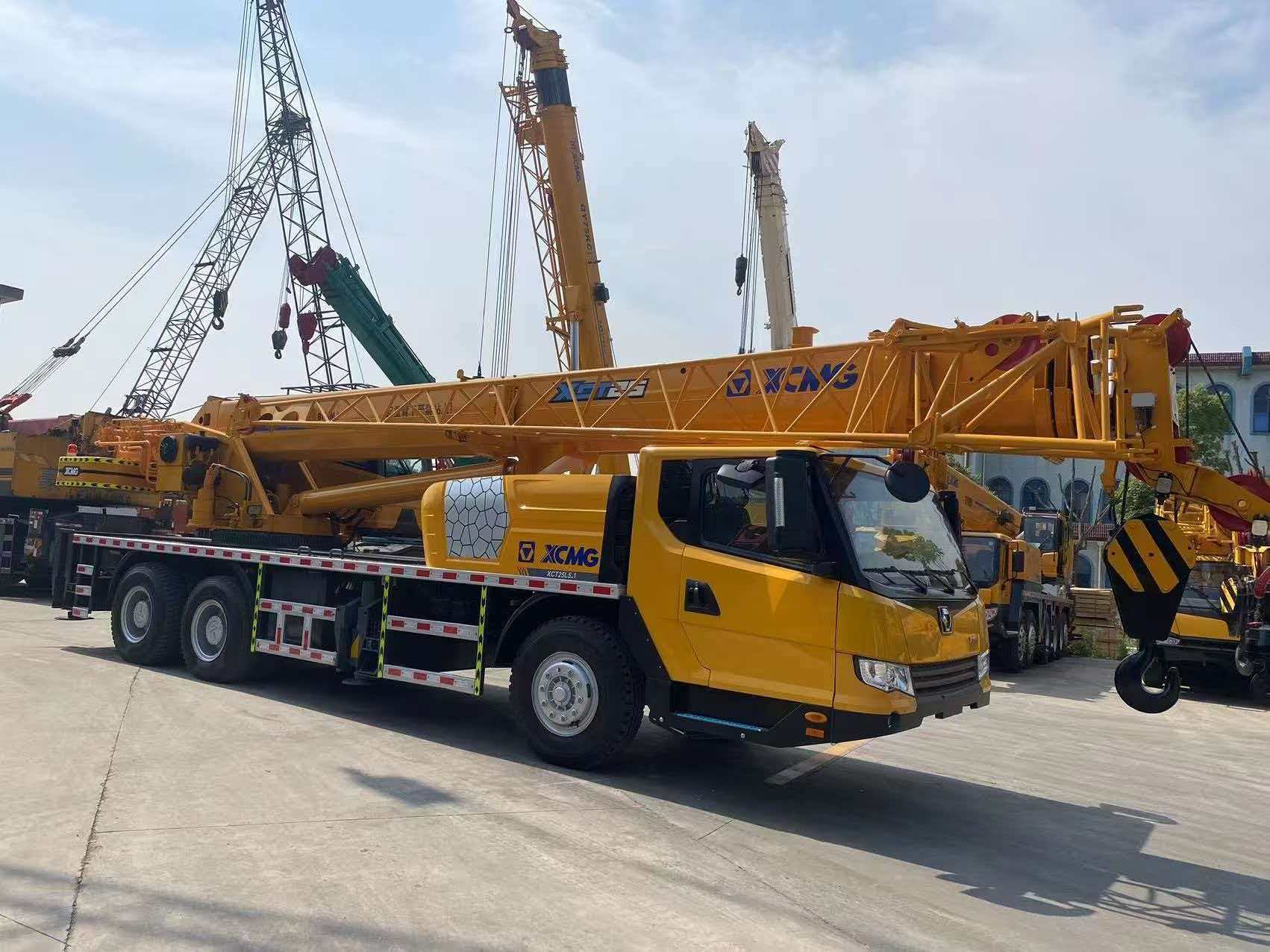
One of the most reliable routes is tapping into industry networks and trade associations. Organizations like the Specialized Carriers & Rigging Association (SC&RA) or local chapters of equipment associations often maintain member directories that include vetted dealers who adhere to a code of ethics. Attending industry events, such as CONEXPO or smaller regional rigging workshops, can also put you face-to-face with reputable sellers who have a long-standing presence in the market. Conversations with fellow crane operators and project managers often yield personal referrals that no online search can replicate, giving you insight into a dealer's after-sales support and machine history transparency.
Online platforms dedicated to heavy equipment sales have matured significantly, but they require a sharper eye. Instead of relying solely on the largest marketplaces, explore niche sites that specialize in lifting equipment—these often feature listings from dealers who focus exclusively on cranes. Look for sellers who provide detailed service records, high-resolution inspection photos, and an option for third-party certifications. A trustworthy dealer will also have a robust presence on professional networks, with genuine client testimonials and a clear history of successful transactions. Avoid anyone who pressures you with limited-time offers or dodges questions about a machine’s past usage or accident history.
Another less obvious avenue is connecting with manufacturers of new cranes, as many have certified pre-owned programs or partnerships with select dealers who refurbish and resell their brands. These programs often include multi-point inspections, warranty options, and access to original parts, which drastically lowers the risk of inheriting someone else’s problems. Similarly, auction houses that cater specifically to the construction industry can be excellent sources if you do your homework—attend preview days, bring an independent inspector, and set a firm limit before raising your paddle. Trustworthy dealers often work in tandem with these auction services, offering transparency reports and mechanical checks that help you bid with confidence.
Inspecting a Pre-Owned Crane: Key Points You Can't Skip
When you're eyeing a used crane, it's not just about the price tag. The real story is hidden in the wear and tear that only a trained eye can spot. Start with the boom—look beyond the paint for hairline cracks, especially near the welds and pivot points. A fresh coat of paint can easily mask serious structural fatigue. If you can, ask for maintenance logs; they'll reveal how often it was truly serviced, not just when the stickers were updated.
Don't overlook the hydraulic system. It's the heart of the crane, and a small leak or sluggish movement can escalate into a complete failure down the line. Check the hoses for brittleness, the cylinders for pitting, and the fluid for any milky discoloration—a sign of water contamination. Operate every function slowly and listen for unusual whines or hesitations. This isn't a step to rush through; it's often where the biggest bargaining chips hide.
Finally, spend time with the chassis and outriggers. Surface rust might be negotiable, but deep corrosion isn't. Tap suspicious areas with a hammer—a dull thud often means trouble. Make sure the outriggers extend and retract smoothly under load, and inspect the pads for excessive wear. A crane that can't stabilize properly is a liability, no matter how strong it looks on paper.
Understanding Pricing and Negotiation Tactics
Pricing isn't just a number—it's a conversation starter. Too often, people fixate on the sticker price and ignore the layers beneath: cost structures, value perception, and timing. A skilled negotiator knows that the first figure on the table is rarely the final one. They probe for flexibility, ask about bundling options, or simply stay silent long enough for the seller to fill the gap with a concession. The quiet after a quote can be the most powerful tool in your pocket.
Where most advantage is lost is in forgetting that every price has a story. Is it anchored high to leave room? Or is it firm because demand outstrips supply? Understanding the context—whether it's a software license with add-on fees or a service contract with hidden deliverables—lets you peel back the layers. One practical trick: always ask, "What would need to happen for this price to be lower?" That question alone often reveals discount triggers the other party hadn't mentioned, like multi-year commitments or off-peak delivery.
Negotiation tactics also rely on psychology, not just math. Framing your request in terms of mutual gain, for example, shifts the dynamic from a tug-of-war to a puzzle you're solving together. Instead of "I need 10% off," try "Can we adjust the scope so it aligns better with my budget?" Small word choices signal collaboration rather than confrontation. Pair that with a clear walk-away point, and you transform from a passive bidders into a confident decision-maker who sees pricing as a dance, not a battle.
Common Mistakes Buyers Make and How to Avoid Them
Overlooking the importance of a thorough home inspection is a classic blunder that can drain your wallet. Many buyers get swept up in the charm of a property and skip a detailed check, only to discover hidden issues later. A professional inspector can spot problems with the roof, foundation, or electrical system that aren’t obvious during a casual walk-through. To avoid this, always hire a certified inspector and tag along during the process, asking questions about anything that looks suspicious. Even in a competitive market, this step is non-negotiable; it’s your safety net against expensive surprises.
Another common slip-up is letting emotions drive the offer, often paying more than a home is worth. When you fall in love with a place, it’s easy to ignore comparable sales and overbid, especially in bidding wars. Smart buyers set a firm budget based on market data and stick to it, resisting the urge to stretch too far. A good strategy is to get pre-approved for a mortgage before house hunting, so you know your exact limit. If you find yourself in a multiple-offer situation, remember that a clear head and a solid best-offer price will keep you from regretting your purchase later.
Buyers also frequently underestimate the ongoing costs of homeownership, focusing only on the mortgage payment. Property taxes, insurance, maintenance, and unexpected repairs can quickly add up, turning a dream home into a financial strain. Failing to budget for items like a new HVAC system or a leaky roof can lead to tough times. To get ahead, create a realistic monthly expense sheet that includes a home repair fund, and talk to the current owners about average utility bills. This helps you gauge the true cost and ensures you’re not caught off guard once the keys are in your hand.
Maximizing Value After Your Purchase: Maintenance and Upgrades
Treating your device with a little regular care goes a long way. Simple habits like cleaning vents to prevent dust buildup, keeping software current, and avoiding extreme temperatures can dramatically extend its lifespan. Think of it as preventive medicine—much cheaper and easier than dealing with a major failure down the road.
Software updates often get ignored, but they’re one of the easiest ways to unlock hidden potential. They patch security holes, squash annoying bugs, and sometimes even add fresh features you didn’t expect. Staying a version or two behind might feel harmless until you realize you’ve been missing out on smoother performance or better compatibility with newer apps.
When your needs evolve, a targeted hardware upgrade can breathe new life into an aging machine. Swapping in a faster SSD, adding more RAM, or even replacing a worn-out battery can often cost a fraction of buying new while making the device feel brand new again. It’s worth checking if your model allows for these tweaks—you might be surprised at how much mileage you can get.
FAQ
Focus on the crane's service history, hours of operation, and any major repairs. Check the boom, hydraulic system, and outriggers for wear or leaks. It's also smart to request a recent load test certificate and if possible, have a qualified inspector go over the machine before you commit.
Look for wholesalers with a solid track record—years in business, positive reviews from previous buyers, and transparent business practices. A reliable supplier will willingly share maintenance logs, accident reports, and references. See if they offer any warranty or post-sale support, as that often signals confidence in their equipment.
Wholesalers usually have a larger inventory, so you can compare different models and conditions in one place. They often provide some level of quality control, like inspections and basic servicing before sale. Plus they may handle paperwork, shipping arrangements, and even financing, which saves you time and reduces risk compared to buying from an unknown private party.
Beyond the purchase price, you might face transportation fees, import duties if buying internationally, and the cost of any immediate repairs or retesting needed to meet local regulations. Don't forget insurance, operator training, and the expense of modifying or upgrading attachments to fit your specific jobs.
It really depends on your budget and workload. A well-maintained older crane with complete service records can be a great value and still handle heavy lifts reliably. Newer models may offer updated safety features and better fuel efficiency, but they come with a higher price tag. Prioritize condition and maintenance history over age alone.
Many wholesalers have partnerships with logistics companies specializing in heavy equipment transport. You'll need to decide between flatbed trailers, lowboys, or even RoRo shipping for overseas deliveries. Make sure the crane is properly secured and insured during transit, and confirm any permits required for oversized loads on the planned route.
Conclusion
Working with a used truck crane wholesaler isn't just about finding a machine at a low price—it's about securing a reliable asset that won't drain your budget in the long run. A smart buyer starts by zeroing in on critical factors like boom length, lift capacity, and maintenance history, rather than getting distracted by shiny paint or low-hour claims that can be misleading. Trustworthy dealers earn their reputation through transparency, willingly sharing detailed inspection reports, load test certs, and even allowing you to talk to previous owners. When you're on the lot, don't just glance at the crane; crawl underneath to check for structural cracks, hydraulic leaks, and excessive slew ring wear. These are the hidden deal-breakers that cost thousands to fix later.
Negotiation becomes far easier when you've done your homework on current market values and can point to specific repair needs with confidence. Many buyers trip up by rushing into a purchase without verifying paperwork or underestimating the cost of transport and compliance mods. To dodge these pitfalls, always build a cushion into your budget for unexpected issues and invest in a professional inspection if you lack hands-on experience. Once the crane is yours, focus immediately on proactive upkeep—replace worn sheaves, update safety decals, and calibrate the LMI system right away. A modest upfront spend on preventive maintenance and targeted upgrades not only extends the machine's working life but also boosts its resale value down the road. In this trade, staying sharp and patient pays off more than any lowball deal ever could.
Contact Us
Contact Person: Sally Xiao
Email: [email protected]
Tel/WhatsApp: 086-18221477398
Website: http://www.shjiliangchi.com/