

Wafer Butterfly Valves: The Ultimate Guide for Factory Operations
2025-12-23
In the world of industrial fluid control, precision and reliability are non-negotiable. Wafer butterfly valves play a pivotal role in factory operations, offering efficient flow management with a compact design. At DRIFCO, we understand the critical importance of these components and have crafted this ultimate guide to help you navigate their benefits and applications. Dive in to discover how our expertise can transform your processes and keep your operations running smoothly.
Understanding the Basics: What Are Wafer Butterfly Valves and How Do They Work?
Wafer butterfly valves are compact and versatile flow control devices commonly used in various industrial applications, from water treatment to chemical processing. Unlike lug-style valves, wafer butterfly valves are designed to fit between two flanges in a pipeline, secured by bolts that pass through the flanges, making them lightweight and cost-effective. They feature a disc that rotates on a central shaft to regulate fluid flow; when open, the disc aligns with the pipe direction, minimizing pressure drop, and when closed, it forms a seal to block flow. This simple mechanism allows for quick operation and efficient throttling, often actuated manually via a lever or automatically with electric or pneumatic systems, making them ideal for systems requiring frequent adjustments or on-off control.
How wafer butterfly valves work centers on their sealing and operational design. The disc's edge typically incorporates a resilient seat, such as EPDM or Viton, which compresses against the valve body to create a tight seal when closed, preventing leaks even under moderate pressures. This design reduces wear and tear compared to rigid seals, extending the valve's lifespan. In operation, a 90-degree rotation of the shaft from fully open to fully closed allows for precise flow modulation, with partial openings enabling fine-tuned control. The wafer configuration ensures minimal space usage, as it doesn't require additional support lugs, but it relies on flange alignment for stability, making proper installation crucial to avoid misalignment issues that could compromise performance in demanding environments like HVAC or food processing.
To stand out from other valve types, wafer butterfly valves excel in applications where space, weight, and cost are priorities, without sacrificing reliability. Their streamlined design reduces turbulence and pressure loss, enhancing energy efficiency in systems like irrigation or fire protection. Unlike gate or ball valves, they offer faster operation and easier maintenance, with many models featuring a one-piece body that resists corrosion. By choosing materials like stainless steel or coated cast iron, users can tailor these valves to harsh conditions, ensuring durability. This adaptability, combined with their straightforward functionality, makes wafer butterfly valves a go-to solution for engineers seeking efficient, low-maintenance flow control in diverse industries.
Key Advantages: Why Factories Choose Wafer Butterfly Valves Over Other Valve Types
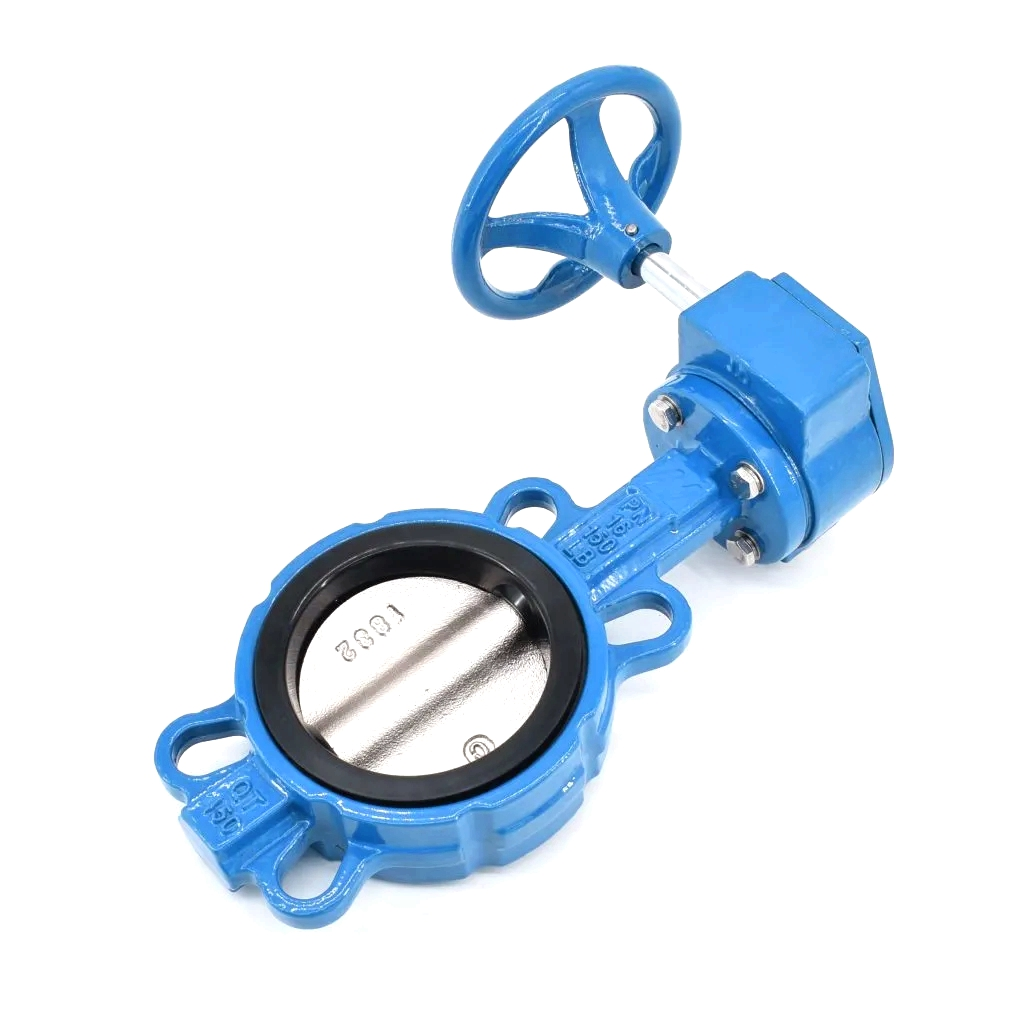
Wafer butterfly valves are compact and versatile flow control devices commonly used in various industrial applications, from water treatment to chemical processing. Unlike lug-style valves, wafer butterfly valves are designed to fit between two flanges in a pipeline, secured by bolts that pass through the flanges, making them lightweight and cost-effective. They feature a disc that rotates on a central shaft to regulate fluid flow; when open, the disc aligns with the pipe direction, minimizing pressure drop, and when closed, it forms a seal to block flow. This simple mechanism allows for quick operation and efficient throttling, often actuated manually via a lever or automatically with electric or pneumatic systems, making them ideal for systems requiring frequent adjustments or on-off control.
How wafer butterfly valves work centers on their sealing and operational design. The disc's edge typically incorporates a resilient seat, such as EPDM or Viton, which compresses against the valve body to create a tight seal when closed, preventing leaks even under moderate pressures. This design reduces wear and tear compared to rigid seals, extending the valve's lifespan. In operation, a 90-degree rotation of the shaft from fully open to fully closed allows for precise flow modulation, with partial openings enabling fine-tuned control. The wafer configuration ensures minimal space usage, as it doesn't require additional support lugs, but it relies on flange alignment for stability, making proper installation crucial to avoid misalignment issues that could compromise performance in demanding environments like HVAC or food processing.
To stand out from other valve types, wafer butterfly valves excel in applications where space, weight, and cost are priorities, without sacrificing reliability. Their streamlined design reduces turbulence and pressure loss, enhancing energy efficiency in systems like irrigation or fire protection. Unlike gate or ball valves, they offer faster operation and easier maintenance, with many models featuring a one-piece body that resists corrosion. By choosing materials like stainless steel or coated cast iron, users can tailor these valves to harsh conditions, ensuring durability. This adaptability, combined with their straightforward functionality, makes wafer butterfly valves a go-to solution for engineers seeking efficient, low-maintenance flow control in diverse industries.
Factories often opt for wafer butterfly valves due to their compact and lightweight design, which makes installation and maintenance in tight spaces much easier compared to bulkier gate or globe valves. This streamlined construction not only reduces material costs but also minimizes the load on supporting structures, leading to long-term savings in infrastructure. Additionally, the quick quarter-turn operation allows for rapid opening and closing, enhancing process efficiency in applications where frequent adjustments are necessary, such as in water treatment or chemical processing plants.
Another key advantage lies in their exceptional sealing performance with minimal leakage, achieved through advanced elastomer seats that conform tightly to the disc. This reliability is crucial in industries like food and beverage or pharmaceuticals, where hygiene and contamination control are paramount. Unlike some valve types that may degrade over time with abrasive media, wafer butterfly valves can handle a wide range of fluids, from clean water to slurries, making them a versatile choice for diverse factory environments without compromising on durability.
Cost-effectiveness is a standout factor as well; these valves typically have lower initial purchase prices and reduced maintenance requirements than alternatives like ball or plug valves. Their simple mechanism with fewer moving parts translates to less wear and tear, leading to fewer breakdowns and downtime. By combining affordability, reliability, and flexibility, wafer butterfly valves help factories optimize operational workflows and reduce overall expenses, solidifying their preference in competitive industrial settings.
Selection Criteria: How to Pick the Right Wafer Butterfly Valve for Your Factory Needs
Wafer butterfly valves are compact and versatile flow control devices commonly used in various industrial applications, from water treatment to chemical processing. Unlike lug-style valves, wafer butterfly valves are designed to fit between two flanges in a pipeline, secured by bolts that pass through the flanges, making them lightweight and cost-effective. They feature a disc that rotates on a central shaft to regulate fluid flow; when open, the disc aligns with the pipe direction, minimizing pressure drop, and when closed, it forms a seal to block flow. This simple mechanism allows for quick operation and efficient throttling, often actuated manually via a lever or automatically with electric or pneumatic systems, making them ideal for systems requiring frequent adjustments or on-off control.
How wafer butterfly valves work centers on their sealing and operational design. The disc's edge typically incorporates a resilient seat, such as EPDM or Viton, which compresses against the valve body to create a tight seal when closed, preventing leaks even under moderate pressures. This design reduces wear and tear compared to rigid seals, extending the valve's lifespan. In operation, a 90-degree rotation of the shaft from fully open to fully closed allows for precise flow modulation, with partial openings enabling fine-tuned control. The wafer configuration ensures minimal space usage, as it doesn't require additional support lugs, but it relies on flange alignment for stability, making proper installation crucial to avoid misalignment issues that could compromise performance in demanding environments like HVAC or food processing.
To stand out from other valve types, wafer butterfly valves excel in applications where space, weight, and cost are priorities, without sacrificing reliability. Their streamlined design reduces turbulence and pressure loss, enhancing energy efficiency in systems like irrigation or fire protection. Unlike gate or ball valves, they offer faster operation and easier maintenance, with many models featuring a one-piece body that resists corrosion. By choosing materials like stainless steel or coated cast iron, users can tailor these valves to harsh conditions, ensuring durability. This adaptability, combined with their straightforward functionality, makes wafer butterfly valves a go-to solution for engineers seeking efficient, low-maintenance flow control in diverse industries.
Factories often opt for wafer butterfly valves due to their compact and lightweight design, which makes installation and maintenance in tight spaces much easier compared to bulkier gate or globe valves. This streamlined construction not only reduces material costs but also minimizes the load on supporting structures, leading to long-term savings in infrastructure. Additionally, the quick quarter-turn operation allows for rapid opening and closing, enhancing process efficiency in applications where frequent adjustments are necessary, such as in water treatment or chemical processing plants.
Another key advantage lies in their exceptional sealing performance with minimal leakage, achieved through advanced elastomer seats that conform tightly to the disc. This reliability is crucial in industries like food and beverage or pharmaceuticals, where hygiene and contamination control are paramount. Unlike some valve types that may degrade over time with abrasive media, wafer butterfly valves can handle a wide range of fluids, from clean water to slurries, making them a versatile choice for diverse factory environments without compromising on durability.
Cost-effectiveness is a standout factor as well; these valves typically have lower initial purchase prices and reduced maintenance requirements than alternatives like ball or plug valves. Their simple mechanism with fewer moving parts translates to less wear and tear, leading to fewer breakdowns and downtime. By combining affordability, reliability, and flexibility, wafer butterfly valves help factories optimize operational workflows and reduce overall expenses, solidifying their preference in competitive industrial settings.
Selecting the right wafer butterfly valve involves considering several key factors to ensure it meets your factory's specific operational demands. Start by evaluating the media being handled—whether it's water, chemicals, or gases—as this determines the required materials for the valve body and seat to prevent corrosion or degradation. Pressure and temperature ratings are equally crucial; check the valve's specifications to match your system's maximum operating conditions, avoiding potential failures. Don't overlook the connection type: wafer-style valves are designed for easy installation between flanges, but ensure flange dimensions and standards (like ANSI or DIN) align with your piping setup for a leak-free fit.
Beyond basic specs, dive into performance aspects like flow characteristics and sealing efficiency. For applications demanding tight shut-off, look for valves with high-performance seats, such as those made from PTFE or elastomers, which minimize leakage. Consider the actuation method too—manual, pneumatic, or electric—based on your automation needs and frequency of operation. A pneumatic actuator might suit fast-cycling processes, while manual valves could be cost-effective for less critical systems. Also, factor in space constraints; wafer valves are compact, but verify clearances for maintenance and actuation components to avoid installation headaches down the line.
Finally, prioritize reliability and long-term value by assessing manufacturer reputation, warranty terms, and ease of maintenance. Opt for valves with self-lubricating bearings or replaceable seats to extend service life and reduce downtime. Consult with suppliers or industry peers for real-world feedback on specific models, and compare total cost of ownership, not just upfront price. By carefully weighing these criteria, you can choose a wafer butterfly valve that optimizes performance, enhances safety, and supports your factory's productivity goals, ensuring a smart investment that stands the test of time.
Installation Tips: Best Practices for Mounting and Aligning Wafer Butterfly Valves
Wafer butterfly valves are compact and versatile flow control devices commonly used in various industrial applications, from water treatment to chemical processing. Unlike lug-style valves, wafer butterfly valves are designed to fit between two flanges in a pipeline, secured by bolts that pass through the flanges, making them lightweight and cost-effective. They feature a disc that rotates on a central shaft to regulate fluid flow; when open, the disc aligns with the pipe direction, minimizing pressure drop, and when closed, it forms a seal to block flow. This simple mechanism allows for quick operation and efficient throttling, often actuated manually via a lever or automatically with electric or pneumatic systems, making them ideal for systems requiring frequent adjustments or on-off control.
How wafer butterfly valves work centers on their sealing and operational design. The disc's edge typically incorporates a resilient seat, such as EPDM or Viton, which compresses against the valve body to create a tight seal when closed, preventing leaks even under moderate pressures. This design reduces wear and tear compared to rigid seals, extending the valve's lifespan. In operation, a 90-degree rotation of the shaft from fully open to fully closed allows for precise flow modulation, with partial openings enabling fine-tuned control. The wafer configuration ensures minimal space usage, as it doesn't require additional support lugs, but it relies on flange alignment for stability, making proper installation crucial to avoid misalignment issues that could compromise performance in demanding environments like HVAC or food processing.
To stand out from other valve types, wafer butterfly valves excel in applications where space, weight, and cost are priorities, without sacrificing reliability. Their streamlined design reduces turbulence and pressure loss, enhancing energy efficiency in systems like irrigation or fire protection. Unlike gate or ball valves, they offer faster operation and easier maintenance, with many models featuring a one-piece body that resists corrosion. By choosing materials like stainless steel or coated cast iron, users can tailor these valves to harsh conditions, ensuring durability. This adaptability, combined with their straightforward functionality, makes wafer butterfly valves a go-to solution for engineers seeking efficient, low-maintenance flow control in diverse industries.
Factories often opt for wafer butterfly valves due to their compact and lightweight design, which makes installation and maintenance in tight spaces much easier compared to bulkier gate or globe valves. This streamlined construction not only reduces material costs but also minimizes the load on supporting structures, leading to long-term savings in infrastructure. Additionally, the quick quarter-turn operation allows for rapid opening and closing, enhancing process efficiency in applications where frequent adjustments are necessary, such as in water treatment or chemical processing plants.
Another key advantage lies in their exceptional sealing performance with minimal leakage, achieved through advanced elastomer seats that conform tightly to the disc. This reliability is crucial in industries like food and beverage or pharmaceuticals, where hygiene and contamination control are paramount. Unlike some valve types that may degrade over time with abrasive media, wafer butterfly valves can handle a wide range of fluids, from clean water to slurries, making them a versatile choice for diverse factory environments without compromising on durability.
Cost-effectiveness is a standout factor as well; these valves typically have lower initial purchase prices and reduced maintenance requirements than alternatives like ball or plug valves. Their simple mechanism with fewer moving parts translates to less wear and tear, leading to fewer breakdowns and downtime. By combining affordability, reliability, and flexibility, wafer butterfly valves help factories optimize operational workflows and reduce overall expenses, solidifying their preference in competitive industrial settings.
Selecting the right wafer butterfly valve involves considering several key factors to ensure it meets your factory's specific operational demands. Start by evaluating the media being handled—whether it's water, chemicals, or gases—as this determines the required materials for the valve body and seat to prevent corrosion or degradation. Pressure and temperature ratings are equally crucial; check the valve's specifications to match your system's maximum operating conditions, avoiding potential failures. Don't overlook the connection type: wafer-style valves are designed for easy installation between flanges, but ensure flange dimensions and standards (like ANSI or DIN) align with your piping setup for a leak-free fit.
Beyond basic specs, dive into performance aspects like flow characteristics and sealing efficiency. For applications demanding tight shut-off, look for valves with high-performance seats, such as those made from PTFE or elastomers, which minimize leakage. Consider the actuation method too—manual, pneumatic, or electric—based on your automation needs and frequency of operation. A pneumatic actuator might suit fast-cycling processes, while manual valves could be cost-effective for less critical systems. Also, factor in space constraints; wafer valves are compact, but verify clearances for maintenance and actuation components to avoid installation headaches down the line.
Finally, prioritize reliability and long-term value by assessing manufacturer reputation, warranty terms, and ease of maintenance. Opt for valves with self-lubricating bearings or replaceable seats to extend service life and reduce downtime. Consult with suppliers or industry peers for real-world feedback on specific models, and compare total cost of ownership, not just upfront price. By carefully weighing these criteria, you can choose a wafer butterfly valve that optimizes performance, enhances safety, and supports your factory's productivity goals, ensuring a smart investment that stands the test of time.
Proper installation of wafer butterfly valves is pivotal for ensuring leak-free performance and longevity in your piping systems. Start by thoroughly inspecting the valve and pipeline components for any defects or debris that could hinder a tight seal. It's best to handle the valve with care to avoid damaging the delicate disc or seat, especially during lifting and positioning. Make sure the pipeline flanges are clean, aligned correctly, and have compatible gaskets in place before mounting the valve between them. This initial groundwork sets the stage for a smoother installation process and reduces the risk of operational issues down the line.
When aligning the valve, precision is key to prevent stress and ensure optimal flow control. Center the valve carefully between the flanges, checking that the disc is oriented in the intended flow direction as indicated by the arrow on the valve body. Use alignment pins or a temporary bolt to hold the position while you gradually tighten the bolts in a crisscross pattern, applying even pressure to avoid warping. Avoid over-tightening, as this can compress the seat excessively and lead to premature wear or leaks. After tightening, perform a visual and manual check to confirm the valve operates smoothly without binding, and consider a pressure test if possible to verify integrity under working conditions.
To stand out from generic advice, focus on specific scenarios where alignment challenges arise, such as in cramped spaces or with non-standard pipe materials. Emphasize the use of specialized tools like laser alignment devices for high-precision installations, or recommend post-installation monitoring, like periodic torque checks on bolts, to maintain alignment over time. By adapting these best practices to your unique setup and emphasizing proactive maintenance, you'll enhance valve reliability and efficiency beyond basic installation steps.
Maintenance and Troubleshooting: Keeping Your Valves in Peak Condition
Wafer butterfly valves are compact and versatile flow control devices commonly used in various industrial applications, from water treatment to chemical processing. Unlike lug-style valves, wafer butterfly valves are designed to fit between two flanges in a pipeline, secured by bolts that pass through the flanges, making them lightweight and cost-effective. They feature a disc that rotates on a central shaft to regulate fluid flow; when open, the disc aligns with the pipe direction, minimizing pressure drop, and when closed, it forms a seal to block flow. This simple mechanism allows for quick operation and efficient throttling, often actuated manually via a lever or automatically with electric or pneumatic systems, making them ideal for systems requiring frequent adjustments or on-off control.
How wafer butterfly valves work centers on their sealing and operational design. The disc's edge typically incorporates a resilient seat, such as EPDM or Viton, which compresses against the valve body to create a tight seal when closed, preventing leaks even under moderate pressures. This design reduces wear and tear compared to rigid seals, extending the valve's lifespan. In operation, a 90-degree rotation of the shaft from fully open to fully closed allows for precise flow modulation, with partial openings enabling fine-tuned control. The wafer configuration ensures minimal space usage, as it doesn't require additional support lugs, but it relies on flange alignment for stability, making proper installation crucial to avoid misalignment issues that could compromise performance in demanding environments like HVAC or food processing.
To stand out from other valve types, wafer butterfly valves excel in applications where space, weight, and cost are priorities, without sacrificing reliability. Their streamlined design reduces turbulence and pressure loss, enhancing energy efficiency in systems like irrigation or fire protection. Unlike gate or ball valves, they offer faster operation and easier maintenance, with many models featuring a one-piece body that resists corrosion. By choosing materials like stainless steel or coated cast iron, users can tailor these valves to harsh conditions, ensuring durability. This adaptability, combined with their straightforward functionality, makes wafer butterfly valves a go-to solution for engineers seeking efficient, low-maintenance flow control in diverse industries.
Factories often opt for wafer butterfly valves due to their compact and lightweight design, which makes installation and maintenance in tight spaces much easier compared to bulkier gate or globe valves. This streamlined construction not only reduces material costs but also minimizes the load on supporting structures, leading to long-term savings in infrastructure. Additionally, the quick quarter-turn operation allows for rapid opening and closing, enhancing process efficiency in applications where frequent adjustments are necessary, such as in water treatment or chemical processing plants.
Another key advantage lies in their exceptional sealing performance with minimal leakage, achieved through advanced elastomer seats that conform tightly to the disc. This reliability is crucial in industries like food and beverage or pharmaceuticals, where hygiene and contamination control are paramount. Unlike some valve types that may degrade over time with abrasive media, wafer butterfly valves can handle a wide range of fluids, from clean water to slurries, making them a versatile choice for diverse factory environments without compromising on durability.
Cost-effectiveness is a standout factor as well; these valves typically have lower initial purchase prices and reduced maintenance requirements than alternatives like ball or plug valves. Their simple mechanism with fewer moving parts translates to less wear and tear, leading to fewer breakdowns and downtime. By combining affordability, reliability, and flexibility, wafer butterfly valves help factories optimize operational workflows and reduce overall expenses, solidifying their preference in competitive industrial settings.
Selecting the right wafer butterfly valve involves considering several key factors to ensure it meets your factory's specific operational demands. Start by evaluating the media being handled—whether it's water, chemicals, or gases—as this determines the required materials for the valve body and seat to prevent corrosion or degradation. Pressure and temperature ratings are equally crucial; check the valve's specifications to match your system's maximum operating conditions, avoiding potential failures. Don't overlook the connection type: wafer-style valves are designed for easy installation between flanges, but ensure flange dimensions and standards (like ANSI or DIN) align with your piping setup for a leak-free fit.
Beyond basic specs, dive into performance aspects like flow characteristics and sealing efficiency. For applications demanding tight shut-off, look for valves with high-performance seats, such as those made from PTFE or elastomers, which minimize leakage. Consider the actuation method too—manual, pneumatic, or electric—based on your automation needs and frequency of operation. A pneumatic actuator might suit fast-cycling processes, while manual valves could be cost-effective for less critical systems. Also, factor in space constraints; wafer valves are compact, but verify clearances for maintenance and actuation components to avoid installation headaches down the line.
Finally, prioritize reliability and long-term value by assessing manufacturer reputation, warranty terms, and ease of maintenance. Opt for valves with self-lubricating bearings or replaceable seats to extend service life and reduce downtime. Consult with suppliers or industry peers for real-world feedback on specific models, and compare total cost of ownership, not just upfront price. By carefully weighing these criteria, you can choose a wafer butterfly valve that optimizes performance, enhances safety, and supports your factory's productivity goals, ensuring a smart investment that stands the test of time.
Proper installation of wafer butterfly valves is pivotal for ensuring leak-free performance and longevity in your piping systems. Start by thoroughly inspecting the valve and pipeline components for any defects or debris that could hinder a tight seal. It's best to handle the valve with care to avoid damaging the delicate disc or seat, especially during lifting and positioning. Make sure the pipeline flanges are clean, aligned correctly, and have compatible gaskets in place before mounting the valve between them. This initial groundwork sets the stage for a smoother installation process and reduces the risk of operational issues down the line.
When aligning the valve, precision is key to prevent stress and ensure optimal flow control. Center the valve carefully between the flanges, checking that the disc is oriented in the intended flow direction as indicated by the arrow on the valve body. Use alignment pins or a temporary bolt to hold the position while you gradually tighten the bolts in a crisscross pattern, applying even pressure to avoid warping. Avoid over-tightening, as this can compress the seat excessively and lead to premature wear or leaks. After tightening, perform a visual and manual check to confirm the valve operates smoothly without binding, and consider a pressure test if possible to verify integrity under working conditions.
To stand out from generic advice, focus on specific scenarios where alignment challenges arise, such as in cramped spaces or with non-standard pipe materials. Emphasize the use of specialized tools like laser alignment devices for high-precision installations, or recommend post-installation monitoring, like periodic torque checks on bolts, to maintain alignment over time. By adapting these best practices to your unique setup and emphasizing proactive maintenance, you'll enhance valve reliability and efficiency beyond basic installation steps.
Maintenance and troubleshooting are crucial for ensuring that valves remain in peak condition, directly impacting the efficiency and longevity of your systems. Regular visual inspections can spot early signs of wear, such as leaks or corrosion, allowing for timely interventions before minor issues escalate. It's all about adopting a proactive stance—think of it as preventive healthcare for your equipment, where routine check-ups and cleaning can prevent costly breakdowns and downtime.
When troubleshooting, start with the basics: listen for unusual noises, check for pressure drops, or verify proper alignment. For instance, if a valve is sticking, it might be due to debris buildup or misalignment; a simple cleaning or adjustment could resolve it quickly. This hands-on approach not only saves time but also empowers operators to handle common problems without needing external experts, fostering a culture of self-reliance and continuous improvement in your maintenance practices.
Ultimately, keeping valves in peak condition hinges on a tailored maintenance schedule based on usage and environmental factors. Documenting each inspection and repair creates a valuable history that aids in predicting future needs and optimizing performance. By integrating these strategies, you'll not only extend valve life but also enhance overall system reliability and safety, turning maintenance from a chore into a strategic advantage for operational excellence.
Innovations and Industry Trends: Future Developments in Wafer Butterfly Valve Technology
Wafer butterfly valves are compact and versatile flow control devices commonly used in various industrial applications, from water treatment to chemical processing. Unlike lug-style valves, wafer butterfly valves are designed to fit between two flanges in a pipeline, secured by bolts that pass through the flanges, making them lightweight and cost-effective. They feature a disc that rotates on a central shaft to regulate fluid flow; when open, the disc aligns with the pipe direction, minimizing pressure drop, and when closed, it forms a seal to block flow. This simple mechanism allows for quick operation and efficient throttling, often actuated manually via a lever or automatically with electric or pneumatic systems, making them ideal for systems requiring frequent adjustments or on-off control.
How wafer butterfly valves work centers on their sealing and operational design. The disc's edge typically incorporates a resilient seat, such as EPDM or Viton, which compresses against the valve body to create a tight seal when closed, preventing leaks even under moderate pressures. This design reduces wear and tear compared to rigid seals, extending the valve's lifespan. In operation, a 90-degree rotation of the shaft from fully open to fully closed allows for precise flow modulation, with partial openings enabling fine-tuned control. The wafer configuration ensures minimal space usage, as it doesn't require additional support lugs, but it relies on flange alignment for stability, making proper installation crucial to avoid misalignment issues that could compromise performance in demanding environments like HVAC or food processing.
To stand out from other valve types, wafer butterfly valves excel in applications where space, weight, and cost are priorities, without sacrificing reliability. Their streamlined design reduces turbulence and pressure loss, enhancing energy efficiency in systems like irrigation or fire protection. Unlike gate or ball valves, they offer faster operation and easier maintenance, with many models featuring a one-piece body that resists corrosion. By choosing materials like stainless steel or coated cast iron, users can tailor these valves to harsh conditions, ensuring durability. This adaptability, combined with their straightforward functionality, makes wafer butterfly valves a go-to solution for engineers seeking efficient, low-maintenance flow control in diverse industries.
Factories often opt for wafer butterfly valves due to their compact and lightweight design, which makes installation and maintenance in tight spaces much easier compared to bulkier gate or globe valves. This streamlined construction not only reduces material costs but also minimizes the load on supporting structures, leading to long-term savings in infrastructure. Additionally, the quick quarter-turn operation allows for rapid opening and closing, enhancing process efficiency in applications where frequent adjustments are necessary, such as in water treatment or chemical processing plants.
Another key advantage lies in their exceptional sealing performance with minimal leakage, achieved through advanced elastomer seats that conform tightly to the disc. This reliability is crucial in industries like food and beverage or pharmaceuticals, where hygiene and contamination control are paramount. Unlike some valve types that may degrade over time with abrasive media, wafer butterfly valves can handle a wide range of fluids, from clean water to slurries, making them a versatile choice for diverse factory environments without compromising on durability.
Cost-effectiveness is a standout factor as well; these valves typically have lower initial purchase prices and reduced maintenance requirements than alternatives like ball or plug valves. Their simple mechanism with fewer moving parts translates to less wear and tear, leading to fewer breakdowns and downtime. By combining affordability, reliability, and flexibility, wafer butterfly valves help factories optimize operational workflows and reduce overall expenses, solidifying their preference in competitive industrial settings.
Selecting the right wafer butterfly valve involves considering several key factors to ensure it meets your factory's specific operational demands. Start by evaluating the media being handled—whether it's water, chemicals, or gases—as this determines the required materials for the valve body and seat to prevent corrosion or degradation. Pressure and temperature ratings are equally crucial; check the valve's specifications to match your system's maximum operating conditions, avoiding potential failures. Don't overlook the connection type: wafer-style valves are designed for easy installation between flanges, but ensure flange dimensions and standards (like ANSI or DIN) align with your piping setup for a leak-free fit.
Beyond basic specs, dive into performance aspects like flow characteristics and sealing efficiency. For applications demanding tight shut-off, look for valves with high-performance seats, such as those made from PTFE or elastomers, which minimize leakage. Consider the actuation method too—manual, pneumatic, or electric—based on your automation needs and frequency of operation. A pneumatic actuator might suit fast-cycling processes, while manual valves could be cost-effective for less critical systems. Also, factor in space constraints; wafer valves are compact, but verify clearances for maintenance and actuation components to avoid installation headaches down the line.
Finally, prioritize reliability and long-term value by assessing manufacturer reputation, warranty terms, and ease of maintenance. Opt for valves with self-lubricating bearings or replaceable seats to extend service life and reduce downtime. Consult with suppliers or industry peers for real-world feedback on specific models, and compare total cost of ownership, not just upfront price. By carefully weighing these criteria, you can choose a wafer butterfly valve that optimizes performance, enhances safety, and supports your factory's productivity goals, ensuring a smart investment that stands the test of time.
Proper installation of wafer butterfly valves is pivotal for ensuring leak-free performance and longevity in your piping systems. Start by thoroughly inspecting the valve and pipeline components for any defects or debris that could hinder a tight seal. It's best to handle the valve with care to avoid damaging the delicate disc or seat, especially during lifting and positioning. Make sure the pipeline flanges are clean, aligned correctly, and have compatible gaskets in place before mounting the valve between them. This initial groundwork sets the stage for a smoother installation process and reduces the risk of operational issues down the line.
When aligning the valve, precision is key to prevent stress and ensure optimal flow control. Center the valve carefully between the flanges, checking that the disc is oriented in the intended flow direction as indicated by the arrow on the valve body. Use alignment pins or a temporary bolt to hold the position while you gradually tighten the bolts in a crisscross pattern, applying even pressure to avoid warping. Avoid over-tightening, as this can compress the seat excessively and lead to premature wear or leaks. After tightening, perform a visual and manual check to confirm the valve operates smoothly without binding, and consider a pressure test if possible to verify integrity under working conditions.
To stand out from generic advice, focus on specific scenarios where alignment challenges arise, such as in cramped spaces or with non-standard pipe materials. Emphasize the use of specialized tools like laser alignment devices for high-precision installations, or recommend post-installation monitoring, like periodic torque checks on bolts, to maintain alignment over time. By adapting these best practices to your unique setup and emphasizing proactive maintenance, you'll enhance valve reliability and efficiency beyond basic installation steps.
Maintenance and troubleshooting are crucial for ensuring that valves remain in peak condition, directly impacting the efficiency and longevity of your systems. Regular visual inspections can spot early signs of wear, such as leaks or corrosion, allowing for timely interventions before minor issues escalate. It's all about adopting a proactive stance—think of it as preventive healthcare for your equipment, where routine check-ups and cleaning can prevent costly breakdowns and downtime.
When troubleshooting, start with the basics: listen for unusual noises, check for pressure drops, or verify proper alignment. For instance, if a valve is sticking, it might be due to debris buildup or misalignment; a simple cleaning or adjustment could resolve it quickly. This hands-on approach not only saves time but also empowers operators to handle common problems without needing external experts, fostering a culture of self-reliance and continuous improvement in your maintenance practices.
Ultimately, keeping valves in peak condition hinges on a tailored maintenance schedule based on usage and environmental factors. Documenting each inspection and repair creates a valuable history that aids in predicting future needs and optimizing performance. By integrating these strategies, you'll not only extend valve life but also enhance overall system reliability and safety, turning maintenance from a chore into a strategic advantage for operational excellence.
As wafer butterfly valves become increasingly integral across diverse sectors like water treatment, chemical processing, and HVAC, their evolution is being driven by a blend of material science breakthroughs and digital integration. Emerging trends focus on enhancing durability and performance under extreme conditions, with advanced polymers and composite materials offering superior corrosion resistance and longer lifespans. These innovations are not just incremental upgrades but transformative shifts that allow valves to operate efficiently in harsher environments, reducing maintenance costs and downtime.
The push towards smart valve systems is another game-changer, incorporating IoT sensors and real-time data analytics to monitor parameters like pressure, temperature, and flow rates. This enables predictive maintenance, where potential failures can be flagged before they cause disruptions, improving overall system reliability. By seamlessly integrating with industrial automation platforms, these smart valves are paving the way for more responsive and energy-efficient operations, aligning with broader sustainability goals in industries that prioritize resource conservation.
Looking ahead, customization and modular designs are set to redefine wafer butterfly valve applications, allowing for tailored solutions that meet specific project requirements without sacrificing scalability. As global standards tighten and environmental regulations become more stringent, manufacturers are investing in R&D to develop valves with lower emissions and improved sealing technologies. This forward-looking approach not only addresses current market demands but also positions the technology to adapt to future challenges, ensuring it remains a cornerstone of fluid control systems well into the next decade.
FAQ
Wafer butterfly valves stand out due to their compact, lightweight design that fits between two pipe flanges, using minimal space compared to lug or flanged valves. This makes them ideal for tight installations where weight and footprint are concerns, often reducing material and labor costs in factory systems.
While wafer butterfly valves are generally suited for moderate pressures, they can be enhanced with resilient liners like EPDM or PTFE and robust discs made from stainless steel or alloys to resist corrosion. For extreme conditions, pairing them with proper gaskets and regular maintenance ensures reliable performance in harsh chemical or high-flow applications.
Routine checks for disc alignment and seal wear, along with lubrication of the stem and actuator parts, are essential. In factories, it's wise to schedule inspections during downtime to prevent leaks or operational failures, especially in valves exposed to abrasive or temperature-sensitive media.
Yes, they can be easily automated with pneumatic, electric, or hydraulic actuators. This enables remote control and integration into smart factory systems, improving efficiency by allowing precise flow regulation and automated shutdowns during emergencies or production changes.
They often offer lower upfront costs and installation expenses due to their simple design and fewer parts. Their durability and ease of maintenance can lead to reduced long-term operational costs in factories, making them a cost-effective choice for many applications unless very high pressures or specialized materials are needed.
Avoid mismatching valve size with pipe dimensions or neglecting proper gasket selection, which can cause leaks. Also, ensure the valve material is compatible with the media to prevent corrosion, and verify that operating conditions like temperature and pressure stay within the valve's rated limits for optimal performance.
Conclusion
Wafer butterfly valves are integral components in modern factory operations, offering a streamlined and efficient solution for fluid control. This guide explores their fundamental mechanics, where a disc rotates within a pipeline to regulate flow, highlighting their compact design and versatility across various industrial applications. By delving into key advantages such as cost-effectiveness, ease of installation, and low maintenance requirements, it becomes clear why factories often prefer these valves over alternatives like gate or globe valves. The selection criteria section emphasizes factors like material compatibility, pressure ratings, and environmental conditions, ensuring operators can make informed choices tailored to their specific needs, while installation best practices focus on proper alignment and mounting techniques to prevent leaks and ensure longevity.
Maintenance and troubleshooting insights provide actionable advice for keeping valves in peak condition, from routine inspections to addressing common issues like wear or corrosion, which helps minimize downtime and extend service life. Additionally, the guide touches on innovations and industry trends, such as the integration of smart technologies and advancements in materials like polymers and alloys, signaling a future where these valves become even more durable and adaptable to evolving factory demands. This comprehensive overview underscores their role in enhancing operational efficiency and reliability, making it an essential resource for optimizing valve performance in diverse industrial settings.
Contact Us
Contact Person: George
Email: [email protected]
Tel/WhatsApp: 13863633883
Website: https://www.es-fire.com