

Wholesale Tubular Steel Towers Supplier for Reliable Power Transmission Projects
2026-10-07
Every transmission line depends on what you don’t see until it fails: the steel holding it all up. If you’re sourcing tubular steel towers at wholesale scale, the margin between a smooth project and a costly delay often comes down to your supplier’s consistency. Anbang has spent years refining that exact process—so your power transmission projects don't inherit someone else's shortcuts. Here’s what actually matters when choosing a partner for reliable, large-volume tower supply.
Why a Low Bid on Tubular Steel Towers Often Hides a Higher Field Cost
When a tubular steel tower arrives with a rock-bottom price tag, the savings rarely survive contact with the erection crew. Low bids often come from mills that shave wall thickness to the minimum allowed by spec, but that leaves no tolerance for handling dents or fit-up misalignment. In the field, a tower section that looks fine on paper can refuse to bolt together because the flanges are slightly warped or the bolt holes drifted during welding. Crews end up reaming holes, using come-alongs to pull sections into alignment, or even cutting and re-welding splice plates—all of which burns crane time and pushes the schedule into weather delays.
Another hidden cost sits in the coating system. Low-bid fabricators may apply the thinnest galvanizing layer or skip the repair coat on damaged areas before shipping. Once the tower is in the air, rust blooms at the welds and field crews must grind, prep, and cold-galvanize those spots—often from a man basket at height. Compare that to a fabricator who includes a robust zinc layer and touch-up kit in the package: the unit price is higher, but the field hours disappear.
The most painful surprises are usually dimensional. Anchor bolt templates that are off by a few millimeters, base plates that don't match the foundation, or step bolts and climbing fixtures that don't line up after assembly. Each mismatch triggers a field change order, a re-mobilized surveyor, or a concrete coring crew. When you add up rework labor, extended crane rental, and liquidated damages for late energization, the low bid is no longer low—it simply moved the cost from the invoice to the job site.
What a Reputable Fabricator Does Before the First Steel Plate Is Cut
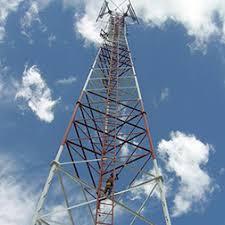
A reputable fabricator treats the pre-cutting phase as a project in its own right. Long before any sparks fly, they pull together the latest revisions of shop drawings, material certifications, and weld procedure specifications. Then they walk the actual steel on the receiving yard—checking heat numbers against the mill test reports, scanning for camber, twist, or damage that could quietly compromise fit-up later. This is not a quick glance; it is a deliberate, hand-on-steel audit because surprises found after the plate hits the saw table are always costlier.
Next, the fabricator’s detailing team runs a nesting and sequencing review that goes far beyond basic cut lists. They simulate the order of cuts, considering grain direction for critical tension members, the location of existing bolt holes, and how each remnant can be used for smaller parts rather than tossed into scrap. They also verify that the chosen cutting method—plasma, oxy-fuel, or waterjet—matches the edge quality and heat-affected zone requirements called for in the contract. If a bevel or a weld prep detail is ambiguous, the fabricator gets an RFI answered now, not after the part is already on the floor.
Finally, a reputable fabricator locks down the inspection hold points and dimensional control plan before the first cut. They agree with the erector on which member ends need extra stock for field fit-up, and they mark those allowances directly on the shop traveler. Machine operators receive a clear, annotated bundle of drawings—not just a pile of DXF files—and the QC team knows exactly which cuts will get a first-article check. By resolving material condition, sequence, and acceptance criteria upfront, the fabricator turns the first cut from a leap of faith into a controlled, repeatable start.
The Load Test That Simulates Ice, Wind, and a 100-Year Gust
Inside a cavernous test chamber, engineers mounted a full-scale transmission tower onto a hydraulic base and surrounded it with a ring of industrial fans and chilled spray nozzles. The sequence began with a fine mist at minus five Celsius, building a two-inch layer of rime ice on every crossarm and lattice member. Once the ice shell hardened, the fans spun up to a steady 90 mph wind, and then the control system fired a burst of compressed air to mimic the sharp leading edge of a 100-year gust, a three-second spike that pushed airspeed past 140 mph.
The combined load was brutal because ice does not simply add weight. It tripled the surface area catching wind, turning slender steel angles into blunt, sail-like shapes. Strain gauges along the tower legs recorded a sudden twist near the midpoint, while accelerometers picked up a low-frequency sway that took nearly a minute to damp out. The 100-year gust, derived from extreme value statistics rather than a single storm record, arrived as a brief but violent pulse, and its timing at peak ice accretion created the worst-case scenario the design codes had only approximated.
After the run, inspection revealed hairline cracks around two gusset plates and a loosened bolt at a diagonal brace connection. Those findings led the team to raise the specified torque by fifteen percent and to add a thicker reinforcing collar at the vulnerable joint. Beyond the immediate fixes, the test data fed directly into a revised ice-wind interaction model, giving grid operators a clearer picture of how their older towers would respond to a storm that no living engineer has actually witnessed.
How Galvanizing Thickness Changes the Math on a 40-Year Project
On paper, a thinner zinc coating looks like the cheaper move. The upfront price difference is easy to see and easy to justify in a budget meeting. But stretch that decision across four decades and the arithmetic quietly flips. A heavier galvanizing layer doesn't just add a few years to the structure—it changes when the first repair crew shows up, how often they come back, and whether you're budgeting for touch-ups or a full replacement before the project even reaches middle age.
Corrosion doesn't move at a steady pace in the real world. Edges go first, then corners, then the flat surfaces that looked fine for years. A coating that's 30% thicker might only buy 15% more time in a lab test, but on a 40-year span that extra margin can mean the difference between one recoating cycle and two. Every additional maintenance visit brings scaffolding, containment, surface prep, and downtime—costs that rarely make it into the initial bid but dominate the total cost of ownership.
The real math isn't about zinc thickness alone; it's about how that thickness interacts with the environment. In a mild inland setting, a standard coating might sail through 40 years with only cosmetic dulling. Put the same structure near salt spray or industrial fallout and the thickness becomes the only thing standing between the steel and an early retirement. Owners who run the numbers correctly treat galvanizing thickness not as a material line item, but as an insurance policy priced in millimeters—one that pays out in avoided disruption, easier inspections, and a maintenance schedule that actually holds.
Inside the Bolt Hole: Why Field Reaming Ruins Schedules and Budgets
When a structural steel connection doesn't line up on site, the instinct is often to grab a reamer and open up the hole. It feels like a quick fix, but that simple act starts a chain reaction that quietly eats away at the project timeline. Every field reamed hole means extra man-hours, equipment repositioning, and often a pause while the crew figures out the new bolt size or spec. That pause is rarely isolated—it ripples into other trades waiting on the steel to be ready.
Beyond the immediate labor, field reaming introduces a hidden cost: loss of fit-up precision. Once a hole is enlarged, the original design intent for load transfer can shift. The connection may still bolt up, but the clamping force and slip resistance are no longer what the engineer specified. Contractors then face either accepting a nonconforming detail or going through a corrective action process that can stall progress for days while reports and approvals circulate.
The budget takes a direct hit too. Reaming tools wear out, extra bolts and shims get ordered, and supervision time is diverted to documentation. On large projects with repetitive connections, a single reamed hole per beam can translate into hundreds of hours of rework by the end of the job. Smart teams recognize that the best way to avoid this cost spiral is to invest in accurate fabrication and pre-assembly checks before steel ever leaves the shop.
When a Wholesale Tower Order Needs More Than a Signed Purchase Order
A signed purchase order might feel like the end of the negotiation, but for many wholesale tower orders it’s only the first layer of commitment. Custom fabrication timelines, site-specific engineering approvals, and freight coordination often shift after the ink dries. Buyers who assume the PO covers every contingency can find themselves chasing revised drawings, updated lift plans, or last-minute change orders that were never spelled out in the original document.
The gap usually appears when the tower design depends on conditions that aren’t visible in a standard quote. Soil reports, local wind loading data, or carrier access restrictions can alter foundation specs or delivery sequencing. Without a supplemental technical annex or a clearly defined approval workflow, the signed PO leaves both parties guessing about who absorbs the cost of those adjustments.
Experienced distributors close that gap by bundling the PO with a separate construction-ready package: stamped drawings, a milestone-based delivery schedule, and a written variance process for field changes. That way the signature on the purchase order means what it should—a firm starting point, not a blank check for assumptions.
FAQ
They work well for high-voltage transmission lines, substation connections, and rural electrification schemes. We regularly supply towers for 69kV up to 500kV networks, including river crossings and mountainous corridors where tapered tubular sections outperform traditional lattice masts.
Yes. We accept customer-provided drawings as well as optimize existing layouts for lower weight without compromising wind and ice load capacity. Our engineering team checks every detail against IEC 60652 and ASCE 10-97 before production begins.
We hot-dip galvanize to ASTM A123 standards with a minimum coating thickness of 86 microns on steel thicker than 6mm. For coastal or highly polluted sites, we can add a two-layer epoxy and polyurethane coating system on top of the galvanized layer.
We pack tower sections in open-top containers with custom steel cradles to reduce movement during transit. Each shipment includes a bolting list and assembly drawings. We can arrange delivery to any major seaport or provide door-to-door transport through our forwarding partners.
Every tower undergoes dimensional verification using laser total stations, ultrasonic weld testing on 10% of shop welds, and a trial assembly of the first complete tower in each batch. We also provide mill certificates and third-party inspection reports from SGS or BV upon request.
Yes, we can send a site engineer for the first two towers erected by your crew. The engineer walks through foundation bolt alignment, torque settings, and lifting sequence. Remote video support is also available for shorter troubleshooting calls.
Around 35 to 45 days after design approval and down payment. If you need faster delivery, we can split the order across two production lines and shorten that to 25 days, though the trial assembly requirement may be waived with written approval.
Conclusion
When evaluating a wholesale tubular steel tower supplier, the lowest bid rarely tells the whole story. A price that seems attractive on paper often masks expensive field corrections later. Reputable fabricators do substantial groundwork before the first steel plate is cut—verifying design loads, material traceability, and welding procedures. They also run full-scale load tests that simulate ice accumulation, sustained wind, and a rare 100-year gust, ensuring the tower won't buckle under real-world stress. Galvanizing thickness is another factor that quietly shapes the economics of a 40-year project; a thinner zinc layer may trim upfront cost but invites corrosion and early replacement, while a properly specified coating stretches maintenance cycles and protects the investment.
Attention to bolt holes is equally critical. Field reaming to fix misaligned holes wreaks havoc on schedules and budgets, turning a straightforward erection into a costly, drawn-out process. A supplier that drills and match-marks components in a controlled shop environment prevents those delays. Finally, a wholesale tower order demands more than a signed purchase order—it requires documented quality checks, test certificates, and clear communication on tolerances and delivery. Choosing a supplier that invests in these details means fewer surprises on site and a transmission line that stands reliably for decades.
Contact Us
Contact Person: antor khan
Email: [email protected]
Tel/WhatsApp: 8613863903569
Website: https://www.qdabtower.com/